
What’s New
Encyclopedia of Change
A new column spotlighting the personal stories on the sweeping and granular ways a changing planet alters our lives.
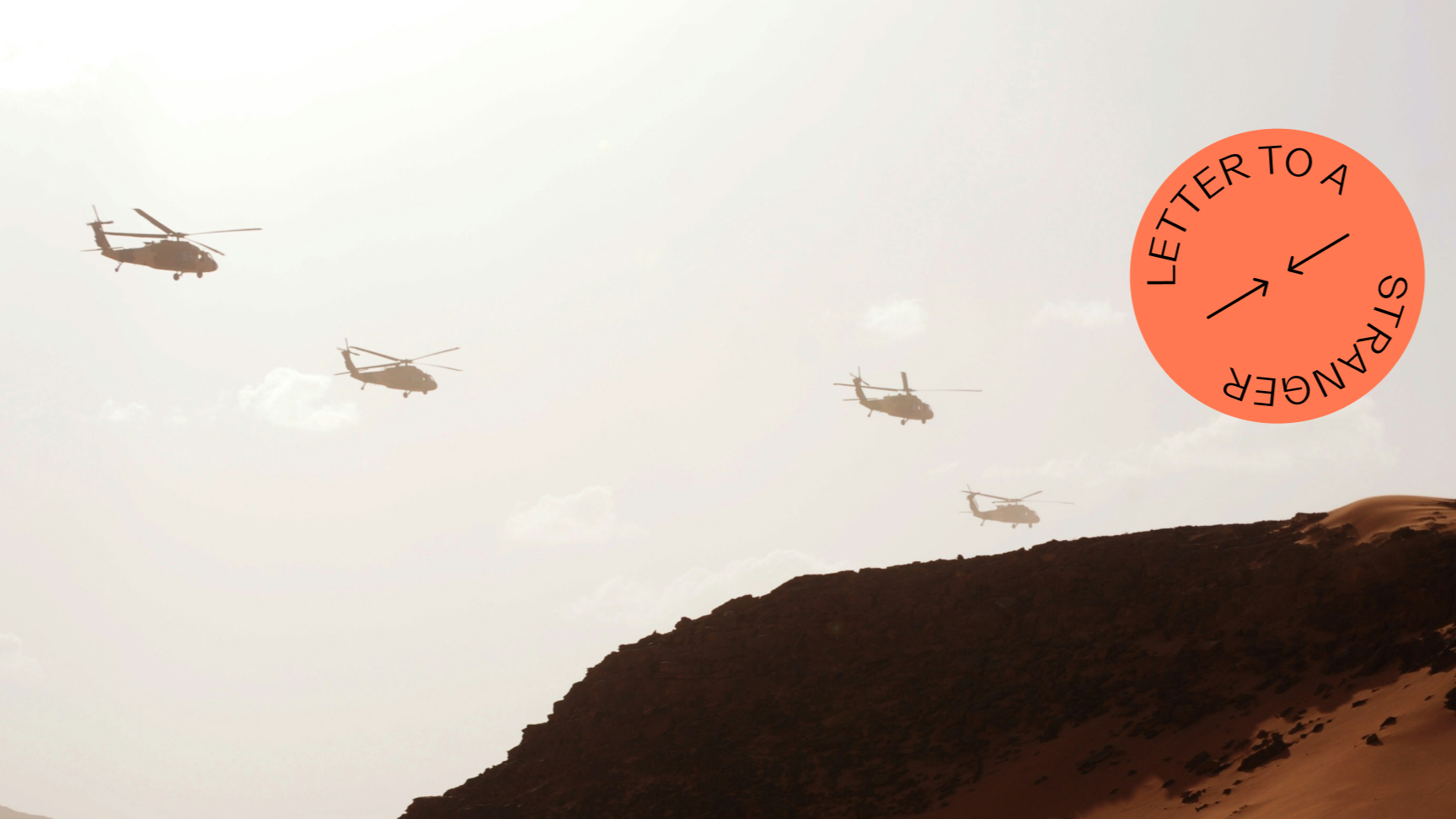
To the American Veteran at Cairo Airport
Cairo, Egypt
by Aya Chalabee
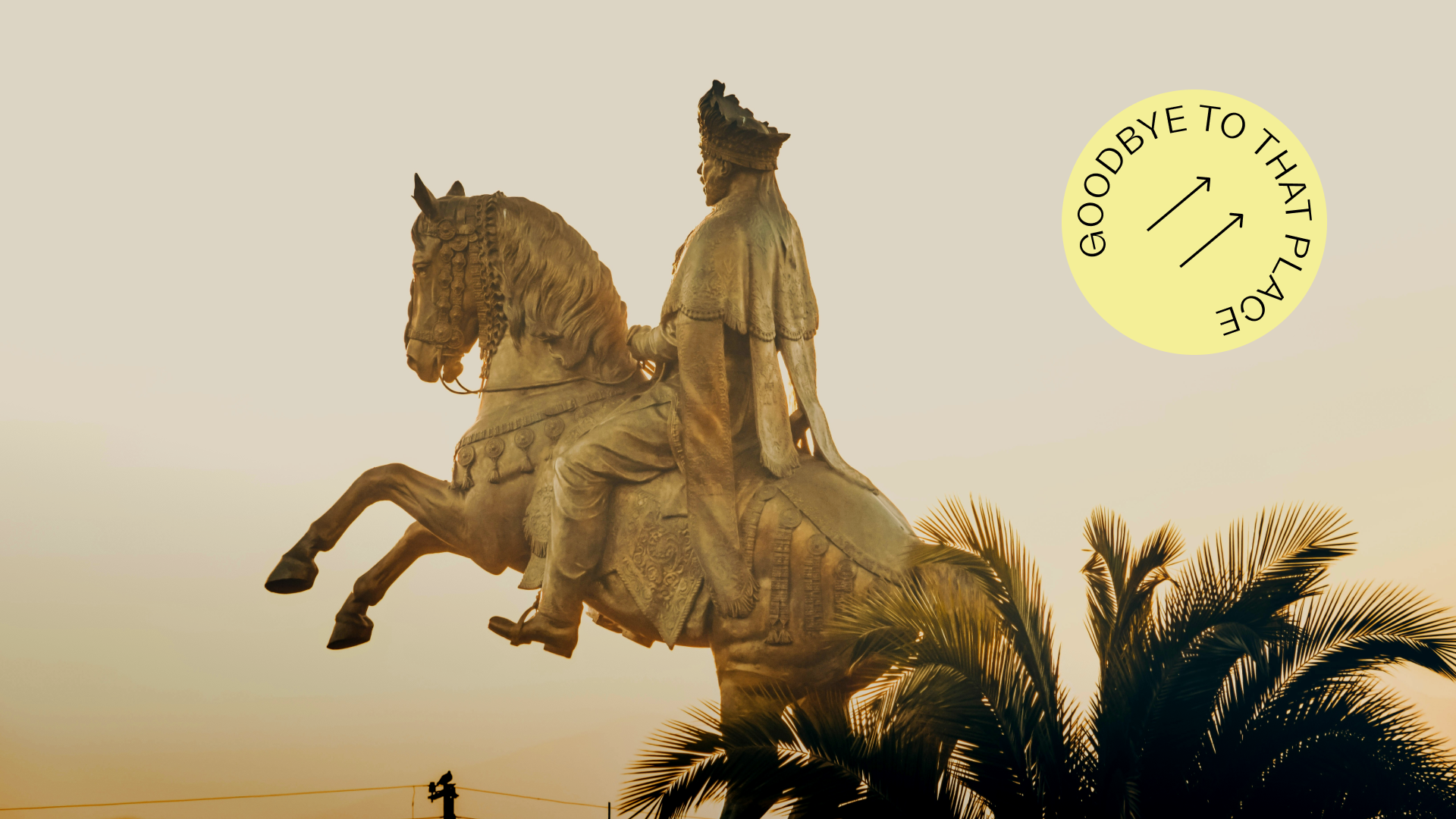
Goodbye to the Ethiopia I Invented
Ethiopia
by Dalle Abraham
If you could be anywhere in the world right now, where would you be?
Letter to a Stranger
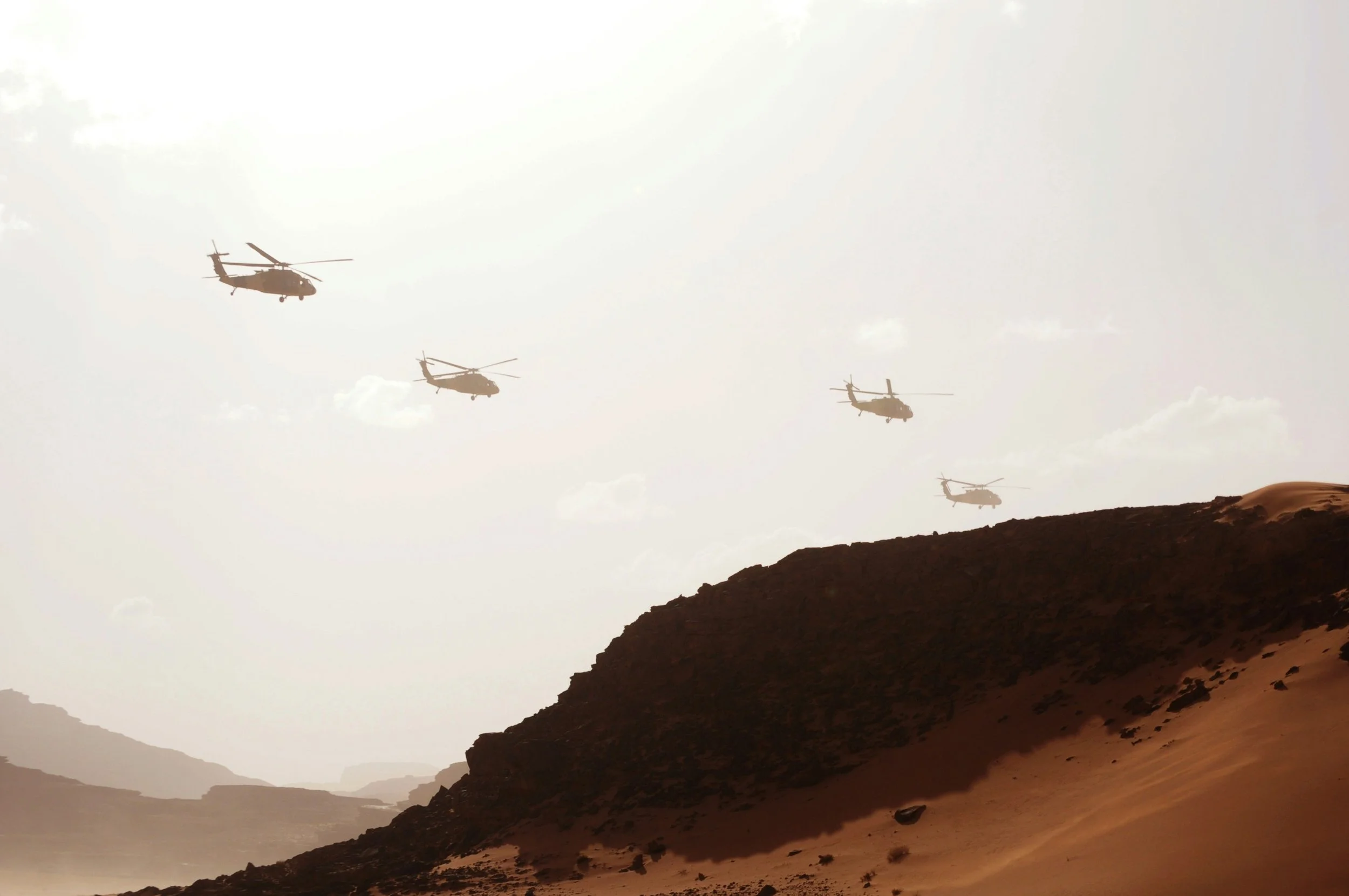
“I was listening to “Church” by Coldplay, carrying the painting under my arm, that foggy Tuesday dawn at Cairo International Airport.
Over the years, I’ve gained certain travel habits. One of them is traveling at dawn. The habit began to take shape in 2003, just days before the American invasion of Iraq, when my family and I traveled to a village on the Iraqi-Iranian border.”
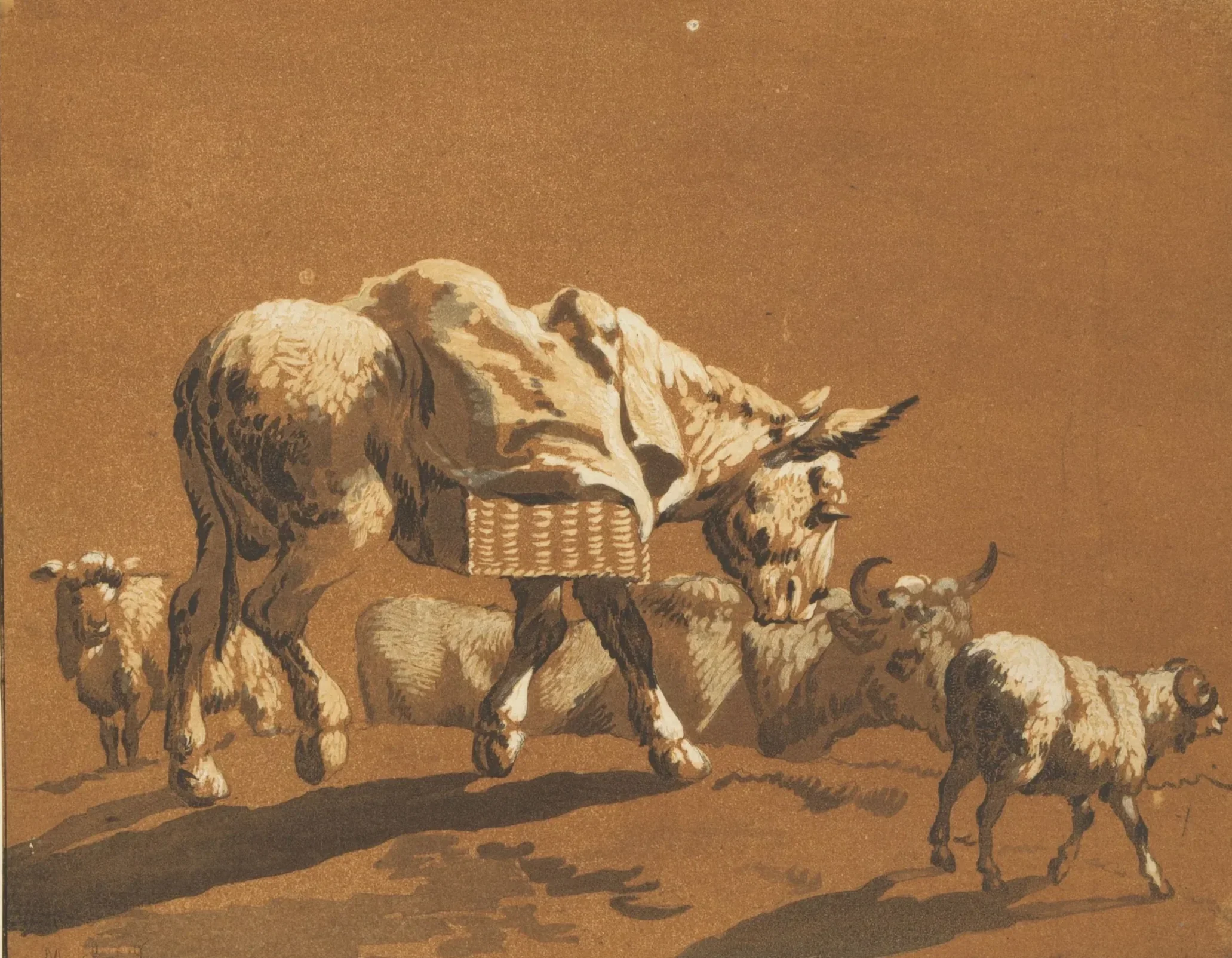
“You clung to the cliff above us, your brow darkened by smog and shit-splattered, your feet splayed but sure. I'd seen your face before. The same weary expression hangs on the faces of the mules who stand, shifting from hoof to glittered hoof while they wait for some family to carry down Bourbon Street as you carried this one into Egypt—Joseph's son at your head, Joseph behind, Mary side-saddle, holding the baby son of God. It's a jaded look: your ears loosely back with more boredom than ire, an eye anxious only for the chance to rest.”
“There’s a show I watch whenever I stay in hotels alone called The First 48. Police try and solve real murder cases within the first 48 hours. Yeah, kinda like the show COPS back in your day. After 48 hours, the likelihood of catching a murderer goes way down.”
“On a milky winter day, I stood amid the racket of food truck generators in downtown Columbia, looking for my friend. Farmers once sold produce at the market, but the booth rent was too expensive now. The egg man was gone, the one who kept a small supply of frozen free-range chicken in a cooler, who used to sell me organic gizzards, gristly organs I thawed and fried to revel in musky smells from my childhood, smells that took me through wormholes, smells that brought the past blooming back, hot and panting, my brothers hooting in the treetops, my tiny mother hunched over a cast iron skillet, my giant father stomping through the house, spitting curses and cigarette smoke.”
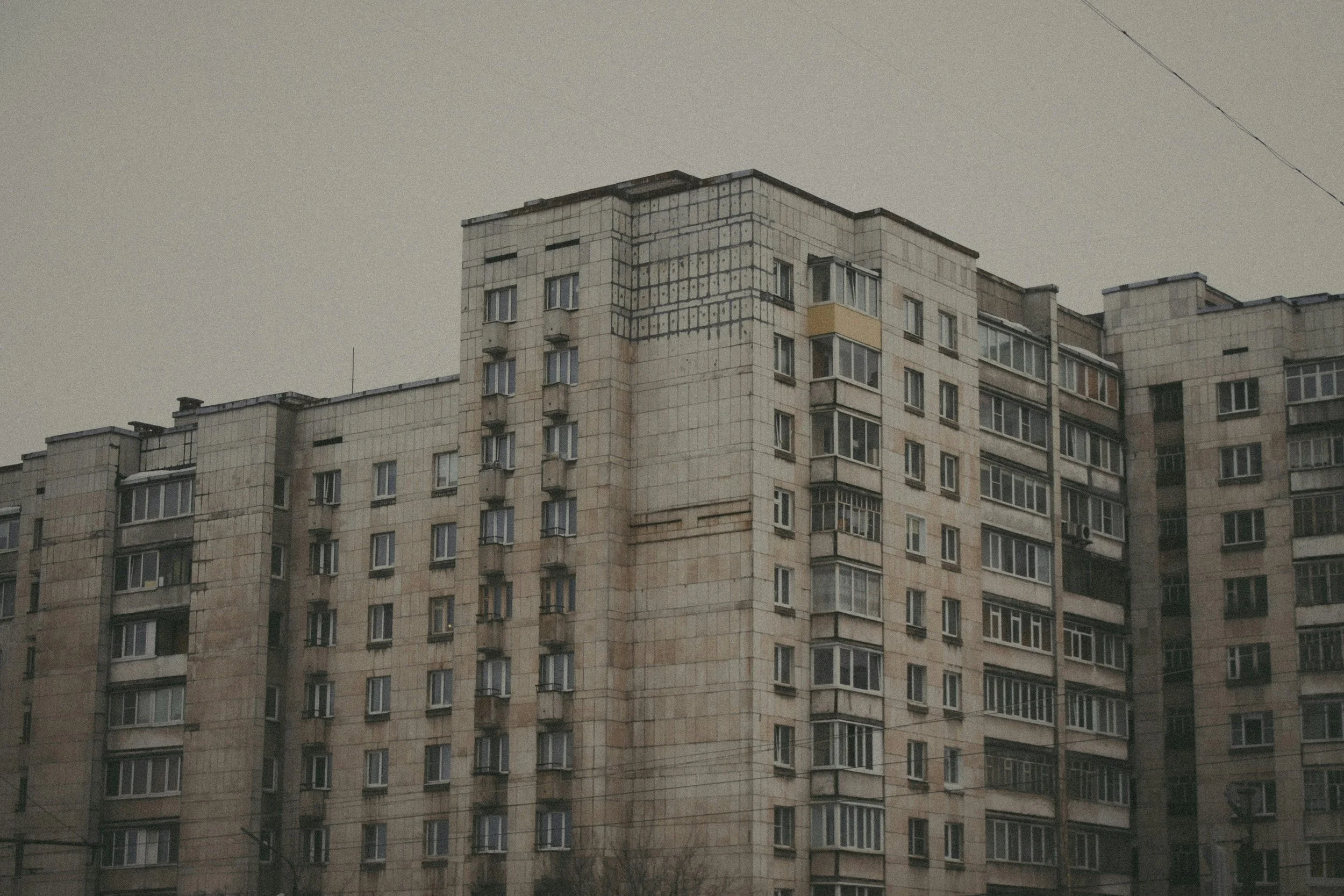
“All the places I have known seem to collide at night, Valera. And here I am, in darkness, my thoughts eddying beneath the pooling light of a desk lamp. Top surgery has made sleep elusive—the pain, the drugs. I catch an hour or two, then sit in these deepest hours, the blinds open, the slow groan of New York traffic below. Television sets in other flats keep me distant company—strangers also incapable of slipping from themselves. I reread the Russian newspaper clipping of your murder, Valera, the one I’d saved years ago. I have it here beside me. The past resurges in this time of convalescence, and I return to almost a decade prior, a time of bed rest following an assault and back injury, mute months in which I kept strange hours, images bleeding from yet another television set, nightmares creasing the sheets.”
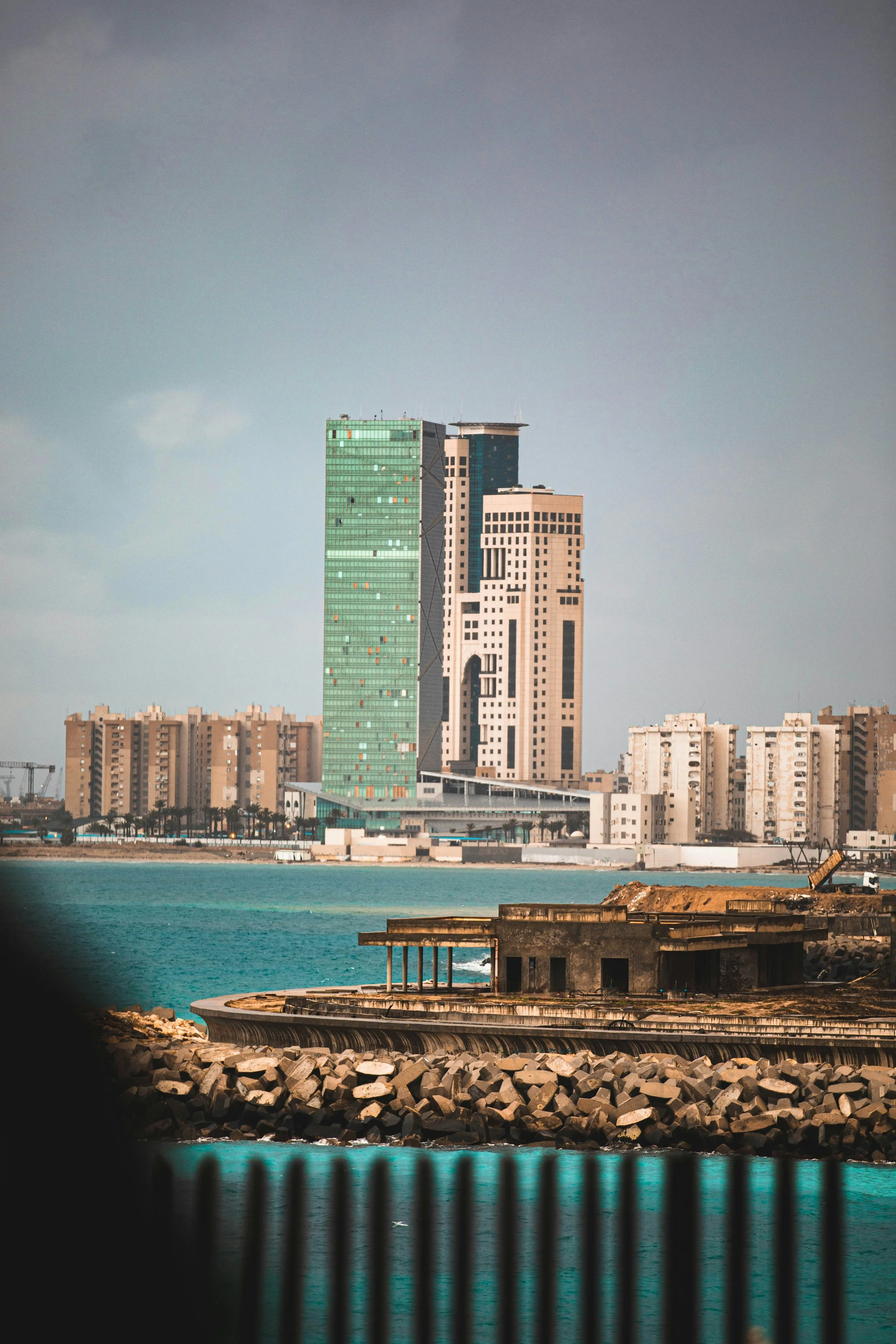
“It is Ramadan 2012 when we walk into your shop in Tripoli. It has been some hours since the sun set and we broke our fast. This deep into the night, humidity persists, skin clinging to fabric. The entire nation is awake below a thin, glowing crescent moon. Storefronts and cars light up the city like a stadium. Young men set up foosball tables on sidewalks and play with a competitiveness fit for World Cup athletes. Horns blare. Men shout affably to one another from across the road. The casual greeting used between men, “Ya rajl,” charms each of their sentences. Clusters of women in colorful hijabs scour the shops for new Eid outfits. Children stamp along the uneven pavement like they own the night. The occasional cat darts beneath clutched shopping bags and cars stalled in traffic. It is less than one year since the triumph of the Libyan Revolution that toppled Muammar Gaddafi’s 42-year dictatorship. My family, who lost loved ones and homes under the regime, are optimistic about the future. My mother and I flew here this summer from California to rejoice with them. “
“You wait there in the alpine light, beneath the fluorescent glow of the Thai restaurant. Your hair is cropped and peppered with gray, grown out from a few months post-shave, I suspect. You’ve lost some weight, lean again the way you were when I was young, but you still stand tall for someone from our country. A simple clean shirt, denim jeans, and brown boots—leather, like those you’d see on a cowboy.”
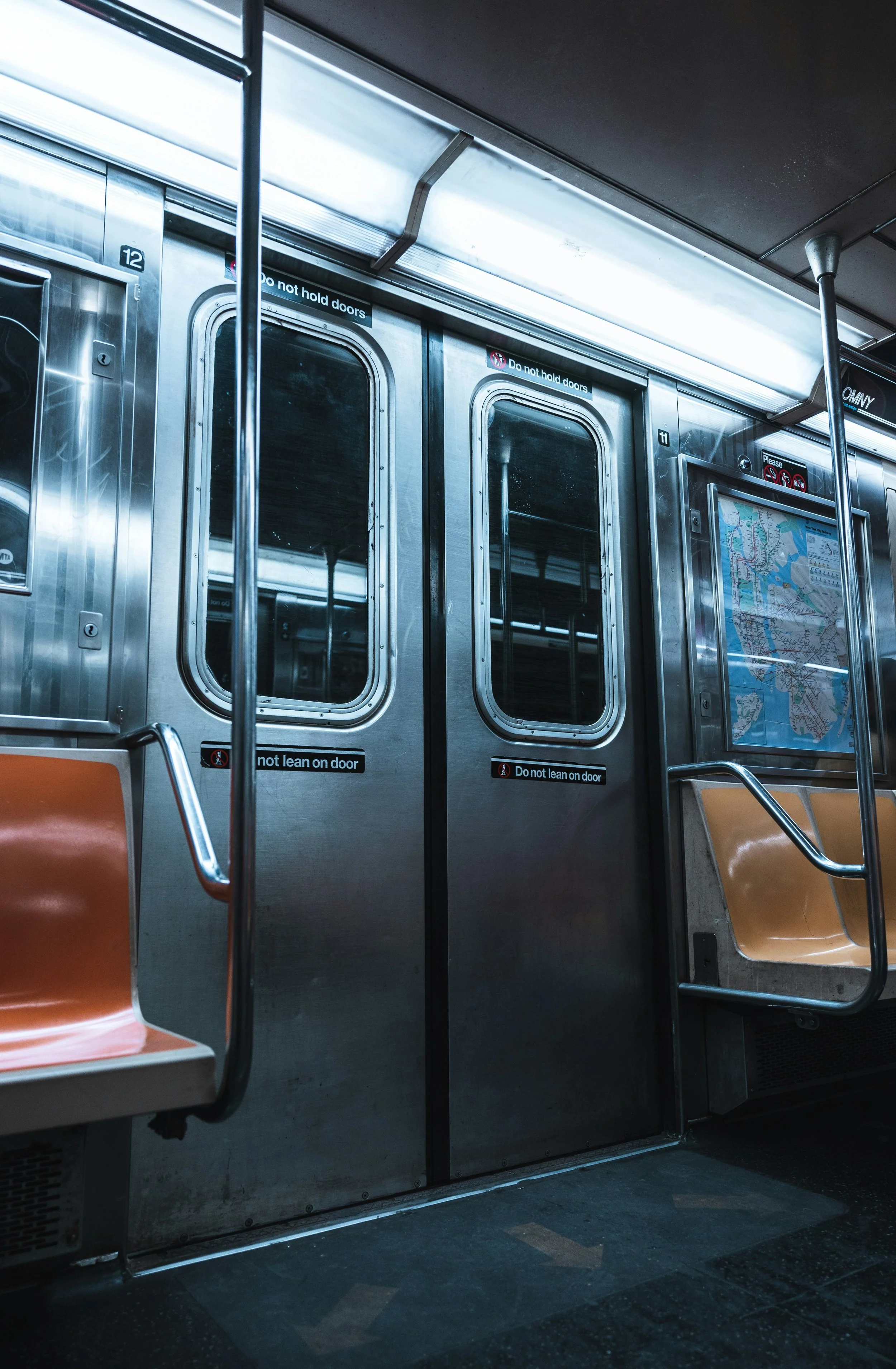
“Seventh grade was not a good year. I suspect it isn’t for most people, though each in our own way—Tolstoy might as well have been writing about middle schoolers, not families, when he wrote that every unhappy one is unique in their unhappiness.”
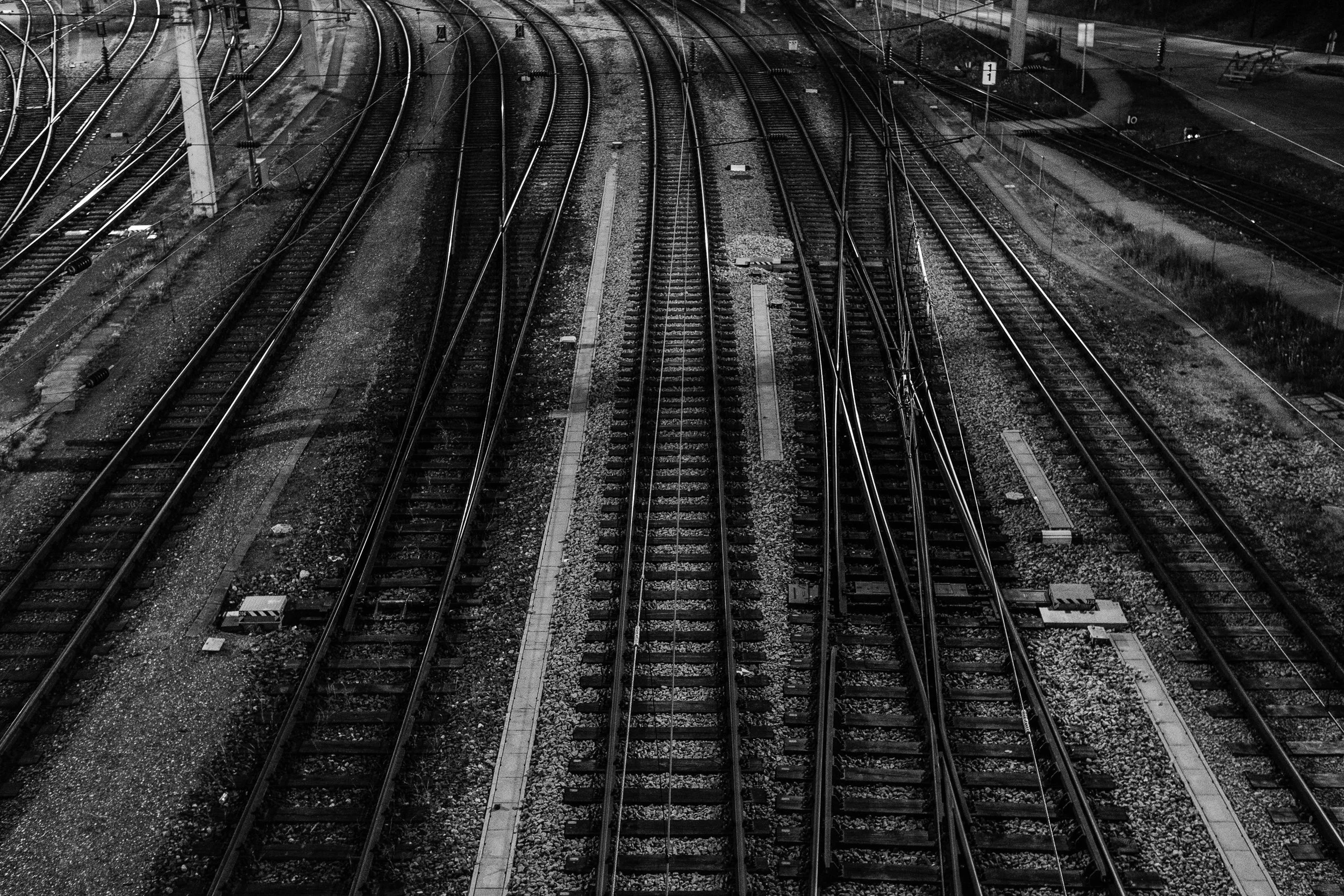
“You got on the train at the last minute, seconds before it pulled out of Chicago’s Union Station, and as you walked down the aisle I begged the gods of public transportation that you wouldn’t sit in the empty seat next to me. The train had filled up with Amish people in bonnets, college students carrying coolers full of beers, and people with enormous suitcases who were moving or escaping or just didn’t want to pay the airplane fee for their luggage. In the Midwest, trains aren’t part of mainstream transportation—it was only ever the car-less and the drunk on that route between Chicago, where I lived, and East Lansing, where I grew up. “

“It’s been a long winter, as they often are, Uncle Frank. I think of the New England cold often, so particular, almost personal in how stark and enduring it was. I felt as though that sky, if given the permission to, would stay frozen forever.”
“You could’ve been five or twelve, for all I knew. I’m not good with children; I haven’t been around them often, never witnessed or memorized the milestones that my friends my age seem to carry like instinct. When do teeth start growing? When do they fall out? When do knees stop looking soft and start looking knobby?”

“We’ve never met. But I know you—I know you more than I know nearly anyone. I know Mary Norwood broke your heart. I know you liked to set out on horseback after fighting with your father.”
You and I, we breathed the same Nairobi air for 110 days. Hospital, home, clinic, maybe a church or two: These were the only places we saw together. Before that, I was a living thing awaited, monitored, and unnamed, while you were a teacher, a mother, a wife living in a Nairobi house with red sofas where you welcomed guests, a coffee table on which you sorted your sewing patterns and fabric, and a formica-topped dining table on which you wrote letters to your parents and siblings. I was born two weeks before your 34th birthday. Then, three months later, you were dead.”

“You died 15 weeks after I was born.
You and I, we breathed the same Nairobi air for 110 days. Hospital, home, clinic, maybe a church or two: These were the only places we saw together. Before that, I was a living thing awaited, monitored, and unnamed, while you were a teacher, a mother, a wife living in a Nairobi house with red sofas where you welcomed guests, a coffee table on which you sorted your sewing patterns and fabric, and a formica-topped dining table on which you wrote letters to your parents and siblings. I was born two weeks before your 34th birthday. Then, three months later, you were dead.”

I prepared for our first meeting the same way I would for a job interview. I had researched my husband's illness and gotten recommended interventions on the internet. I dressed well for you. White sneakers, Lululemon leggings from my husband's cousin, a loose flowy top with a wide camp collar that was casual, but not too casual.

How old was I when we followed you? Six, maybe seven. The memory of tracking you still rises like steam through the cracks of my childhood. It was my father’s idea. We were camping, like we often did, at Standing Indian Campground along the Nantahala River. We awoke in our castle of a tent with two flaps that we zipped up to create rooms: one for my sister and me, and the other for my parents.

“I noticed you on the first day of the Inca Trail.
Machu Picchu was still a distant promise, and I was already bartering with my lungs. The altitude had found me, as it always does, with the precision of someone who knows your weaknesses by name.”

“You: young, clear faced, alert. Clutching your shiny maroon passport with the uncracked spine, wearing a light grey hijab and a white apron with the blue stencil of an employment agency logo. The girls you are with and dozens more throughout the airport wear the same outfit with slight variations. You move through the airport in clutches of four or five, propelled by anxiety and youthful excitement, eyes watching everything around you like a kettle of hawks.”

“During my first visit to the United States in June 2007, I stood outside the Việt Nam Veterans Memorial in Washington D.C., refusing to enter. I didn’t know you had just been there. As visitors streamed past me, I stayed frozen, thinking: If I go in, I would betray more than three million fellow Vietnamese who died in the American war in Việt Nam. If I go in, I would be honoring the soldiers who contributed, regardless of how slightly, to those deaths.”
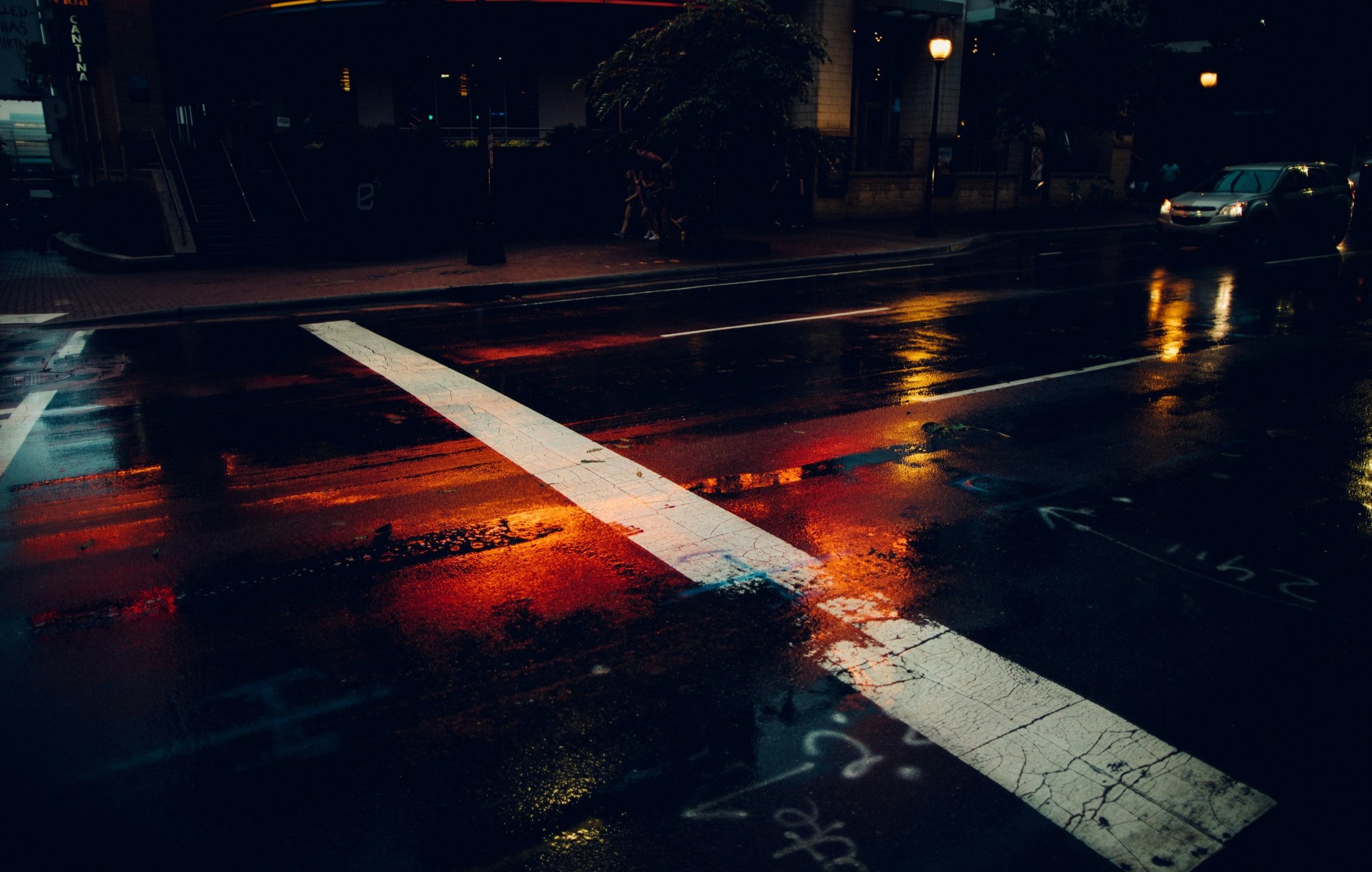
“It was indigo dusk as I began the fifteen-minute walk to the 4 train. I’d spent a long day looking for my lost cat, and was so sad and worn out that I didn’t immediately notice the car that came along and drove next to me—slowly—matching my pace for too long. It was a low coupe with impenetrable tinted windows. I was on a desolate stretch: the car the only car, and me the only person. I stared straight ahead; it gunned away.”

“You held one hand to your belly, swollen with your choices. He stared at you across the table, and both of you looked at me, the three of us the only ones in the diner that night.
Maybe you were having a girl. Did the thought of her one day sitting at a diner alone, barely pieced together, scare you?”

“You’d chosen a fitting alias—unique enough to stand out from Sean Cody’s stable of all-American jocks named Mark and Ken, but not laughable like Knox or Shamu. ‘Charley’ with a y dangling off the end like a monkey’s tail was the name of a boy next door or an adored, mischievous younger brother. And you certainly looked the part, wholesome and goofy, crossing your eyes and sticking out your tongue beside a pool ringed by palm trees, declaring you felt “jubilant” that, for the first time, “dudes” would be watching you masturbate.”

"I can’t remember your name — was it Karl or Mattias? Or neither? It got lost as each person in identical green scrubs and hairnets announced their names one by one, swarming around my bare body under the cold white lights of the operation theatre. Midwives, obstetrician, surgeon, nurses, anesthesiologist. They blurred as I swung my legs over the side of the hospital bed, hunching my back as you instructed, maximizing space between the vertebrae of my spine for the puncture: failed epidural out, spinal block in. I knew the consequences of even a millimeter too far to the left or the right. I exhaled surrender, hoping you had good aim."

"You’re running, and I’m running, too. You run in black shorts, black tank, unremarkable shoes—nothing bright or flashy, not the hot magenta or neon green favored by most runners on this path, including me. But the true marvel is your hair, that long silver rope swinging down your back, keeping time with every footfall. Sterling as the sun strikes it, not coarse or fine but wavy as cursive, the occasional strand coming loose from its bind, clinging to your forehead like a circumflex hovering above a letter."
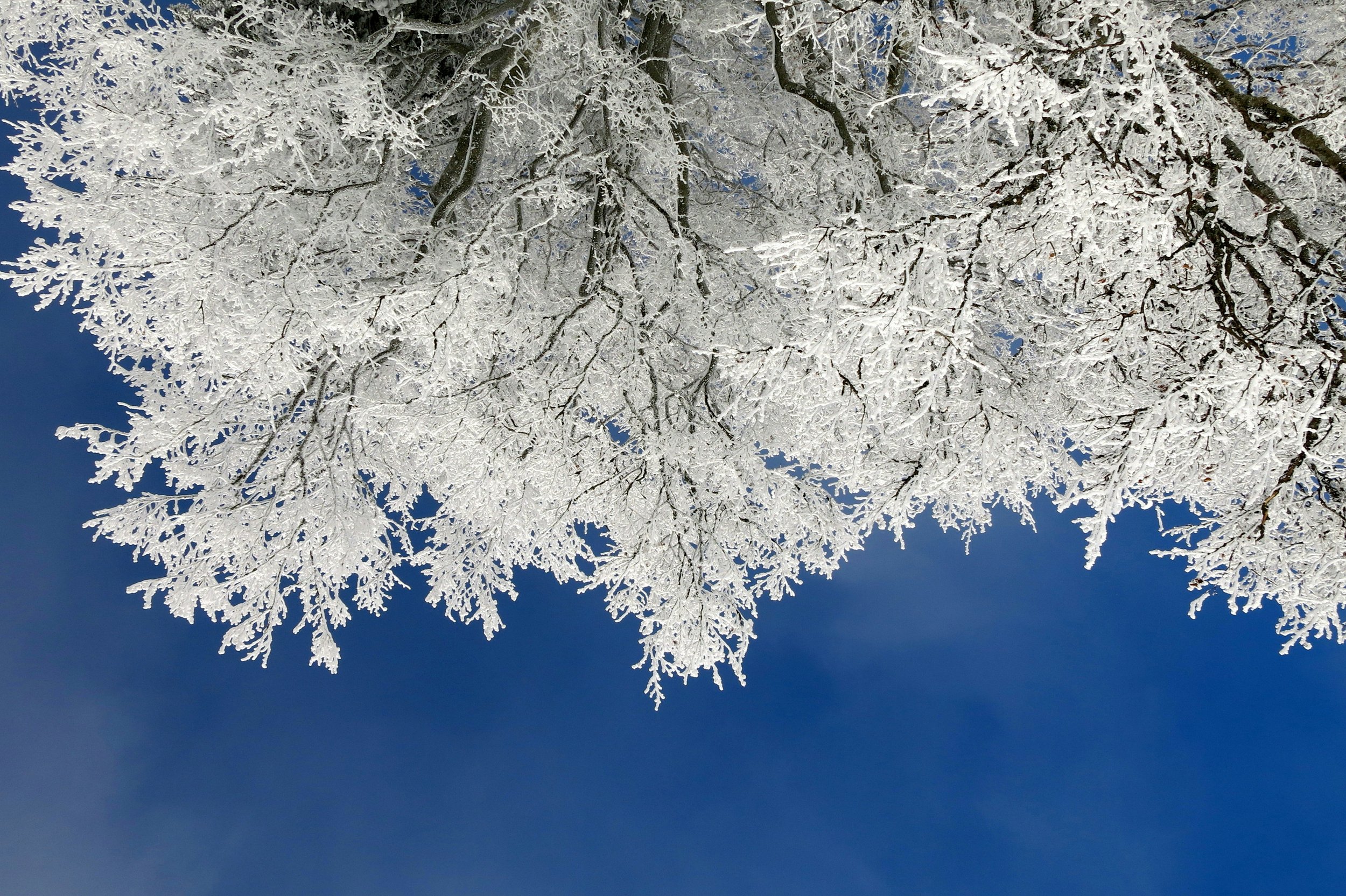
“In Norwich, I walk towards the market on a path I’m not familiar with. Occasionally, I check Google Maps to guide me. I’ve been here for only two weeks, the geography of the city has not yet been imprinted into my mind, and I suffer whenever I’m on new paths. I’m also suffering from how cold it is. I’m wearing a new thermal coat over a sweater and gloves because without them I would freeze. This is my first time experiencing such cold and I cannot believe how most of my thoughts and actions are organised into preventing the frigidness.”
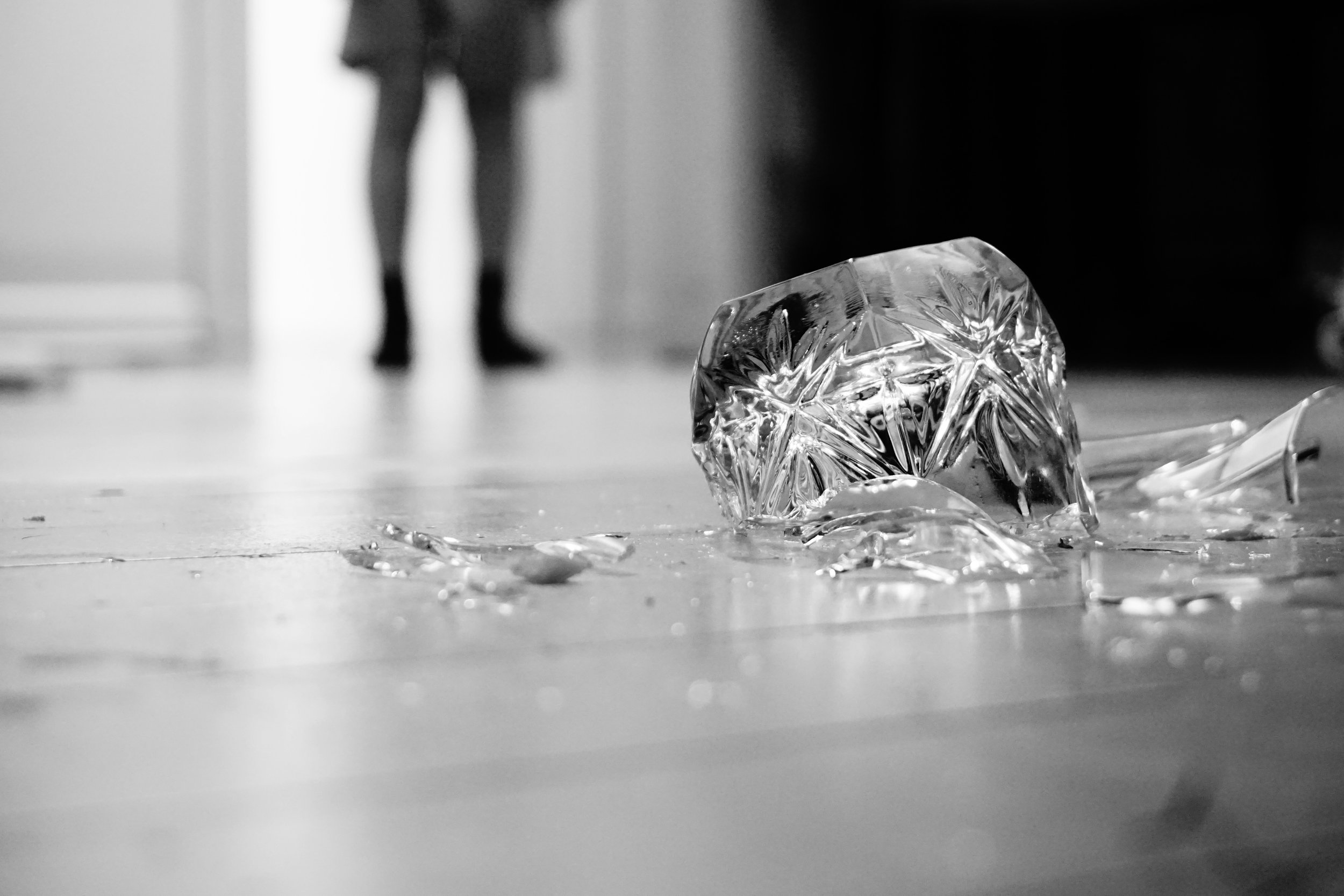
“It’s not often that a glass smashes. But it happens. At home, in a restaurant, at a party. And when it does, whether in a gay bar in New York’s West Village or in the kitchen of a family home in a Lahore suburb, it is followed immediately by a momentary silence.”
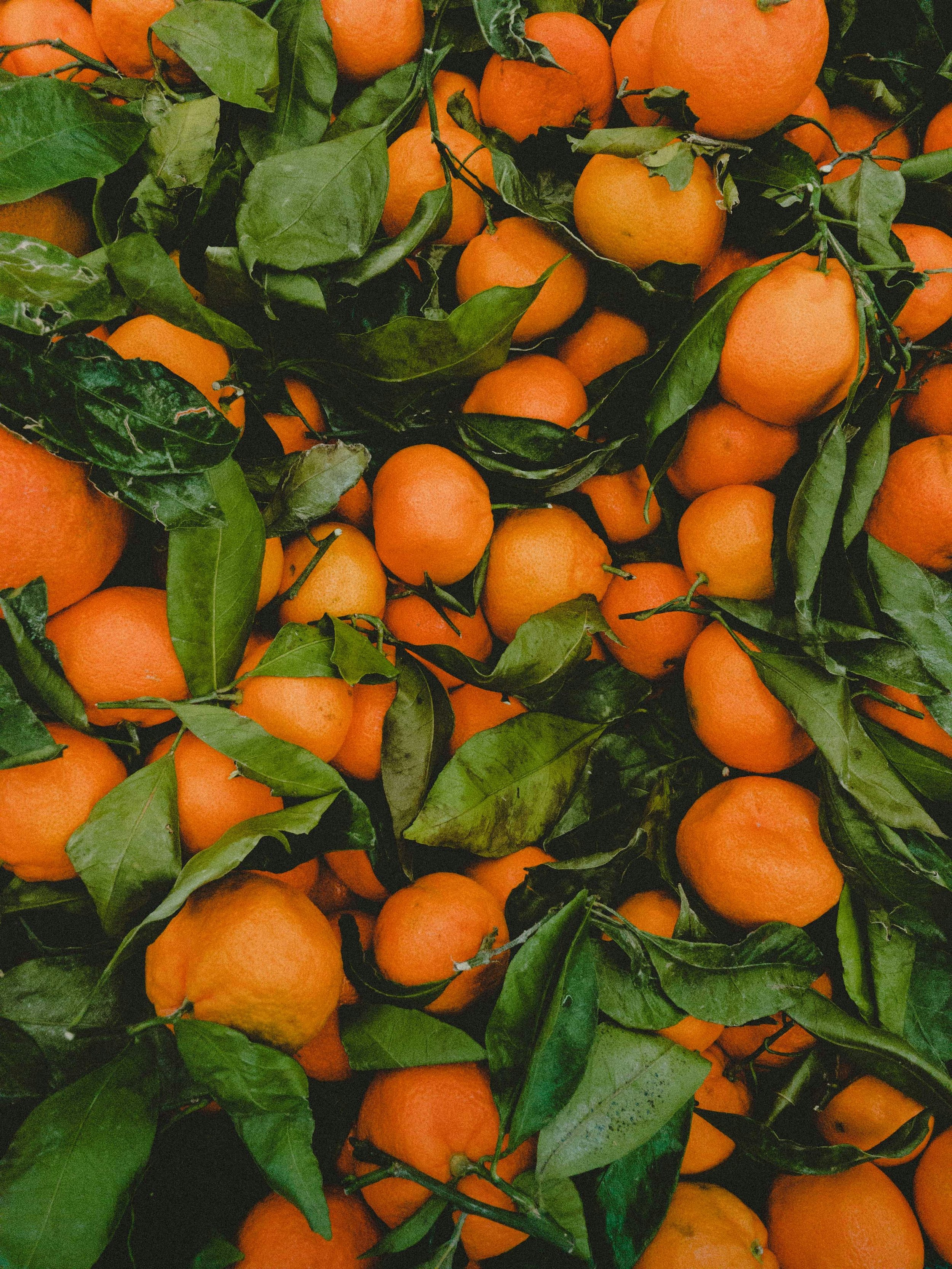
“You were well known in our house. You first opened your shop in early 2012, and my grandfather often stopped by to stock up on oranges and mandarins. He liked to make my grandmother, my brother, and I freshly squeezed orange juice every morning.”

“You were a young woman, freshly turned mother. Like me, a postpartum mama prone to pushing our babies strapped to the swing, pushing and pushing, days in and days out, our minds unhooked from our bodies. It would be years before I’d hear of you, read about you on the news.”
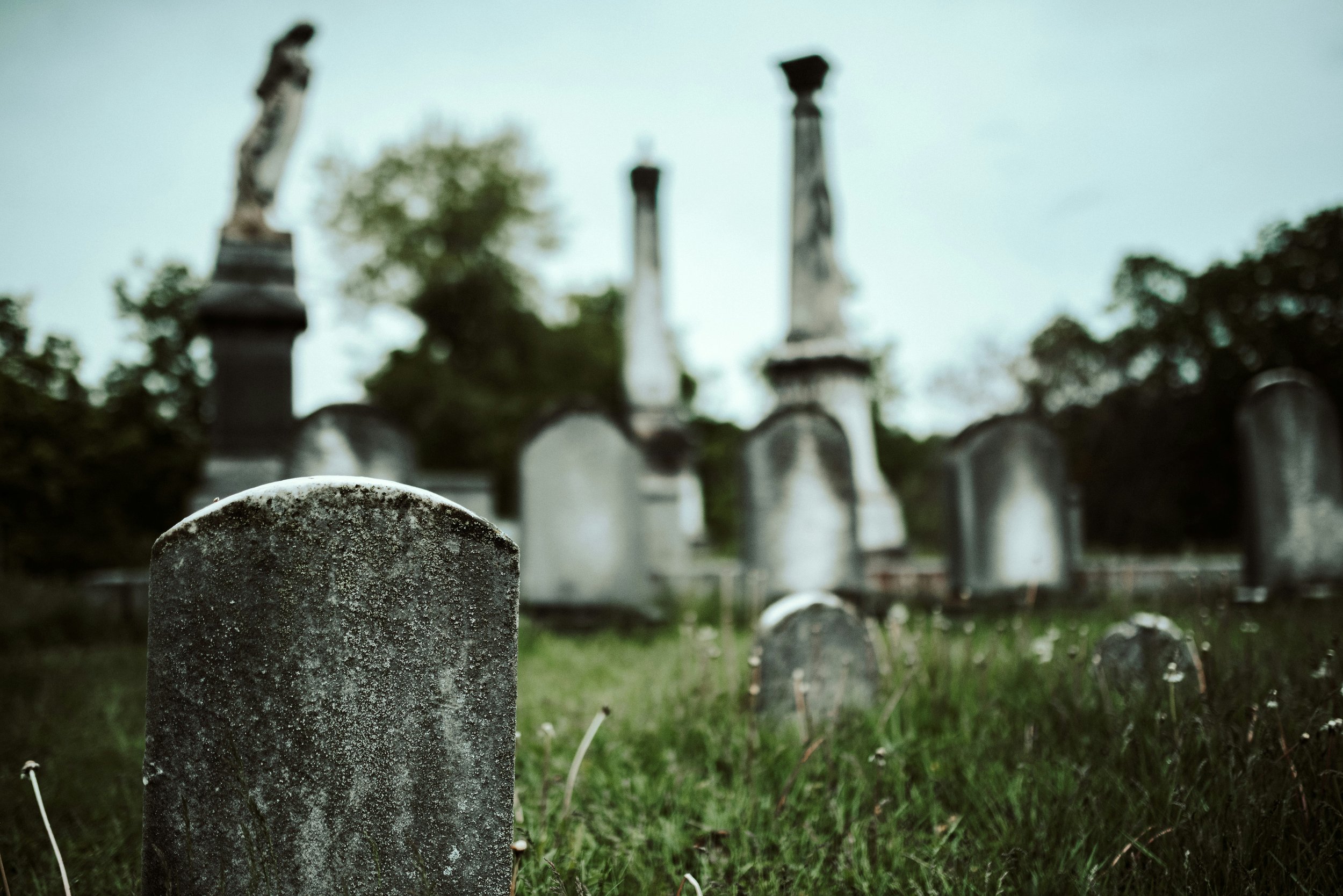
“You lived for three days.
When I was eight, I found an “It’s a boy!” card in our dad’s roll-top desk. A drawing of a bonny baby boy holding a blue balloon. I asked our mother about the card, even though I knew I shouldn’t have. She lit her tenth cigarette of the day and said I’d upset her. After that day, little brother, your story was revealed over what felt like days, but could have been hours or years. It is hard to be sure.”

“I wish you knew how wonderful it was seeing you every other morning through foggy glasses and cold-stung eyes, passing each other on our bicycles along Camino de la Laguna, each of us on our way to work.
Sometimes you had your son with you, swathed in the warmest clothes, your left hand wrapped around his little body, his head rested against your chest as he stood on the cross bar of your rusty green bicycle. The two of you were Madonna and Child, your binnies forming radiant halos. As you rode past, you’d raise your hand off the handle bar and nod, and I would always shout “Rasta!” through my mask because, as embarrassing as the memory is now, it is what felt natural to say to someone who looked like me and whose hair, dreadlocked and tied at the back, looked like mine. Our encounters warmed even the coldest mornings in Cajicá. “
No Equivalent
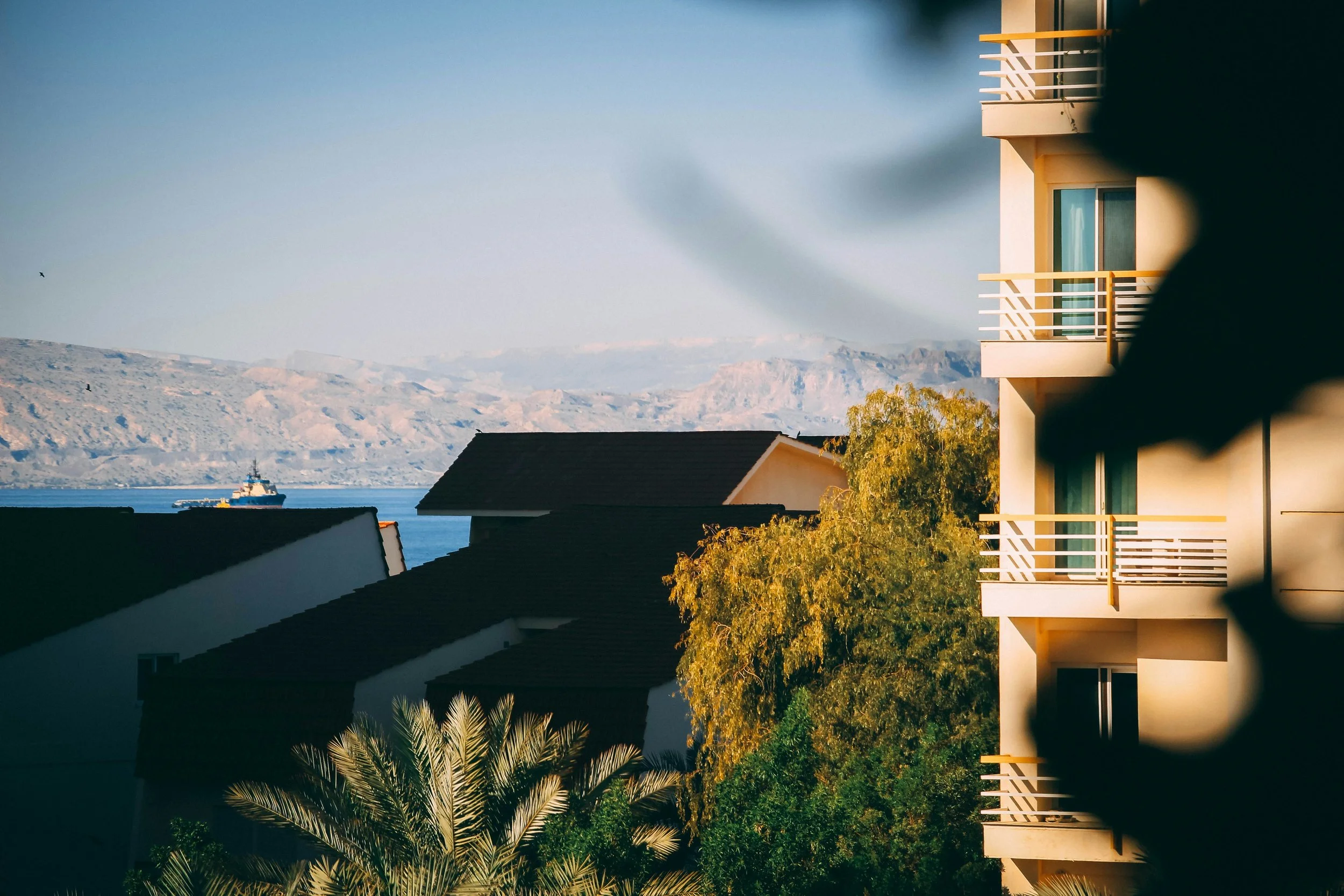
“Farsi is a language of tenderness. It is an infusion of poetry and humor, the intersection of everything human. “Jigareto Bokhoram”—which translates to “let me eat your liver”—is an expression of endearment. A person who is “bi Namak” is “without salt”: dull, the antithesis of charming. You could say “I love you,” or you could say, “I am willing to sacrifice myself for you” (“fadat besham”).”

““Kafan?” I asked the shopkeeper. My fledgling attempts at conversational Arabic, cobbled together by my familiarity with the Quran and Urdu/Arabic cognates, had not taken me as far as I had hoped during this visit to Karbala. The shopkeeper pointed to the shelves along the back wall. Rows of white cloth in clear plastic bags stretched to the ceiling. They all looked the same to me, so I grabbed the first one I saw. The shopkeeper quoted me 20,000 Iraqi dinar. I reflexively started negotiating. “Final price?” My face immediately went red, feeling foolish when the words came out of my mouth. It seemed indecorous to bargain for the cloth that will wrap my body as I’m lowered into the ground.”

“One day, my kid came home from school with the word yaar. It’s not so unusual an experience—to move to a country and find your child suddenly fluent in a language you stutter and stumble through, reading traced by a slow finger, syllable by syllable. “
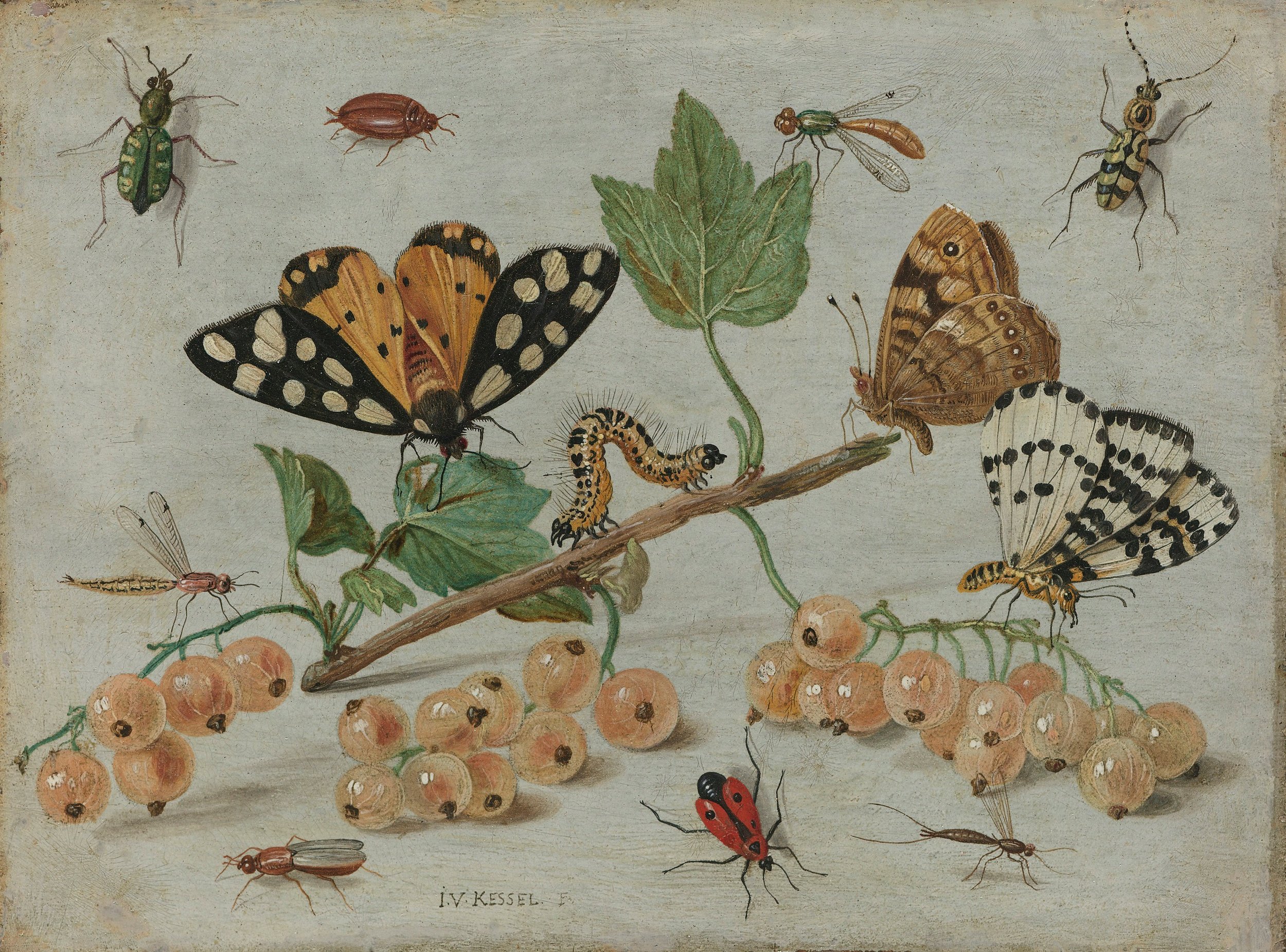
"The potential definitions, actually, are several, and just conflicting enough that the word, it seems, isn’t totally translatable from the Provençal. It could be wasteland, yes, but it could also be fallow land, or uncultivated land. It could be abandoned land; looking back further and connecting the word to its Latin root—eremus—it could even mean something more like solitude."

“Haya'a means the aliveness of the soul. My teenage self was partly right in her rejection of haya’a. True haya’a comes from within. It can not be externally enforced, no matter how many lectures a person receives, how many compliant nods they give. It isn’t quite shame, nor is it guilt. Instead, it exists within a person, and prevents them from breaking their integrity. It transcends fickle human whims and approval-seeking.”
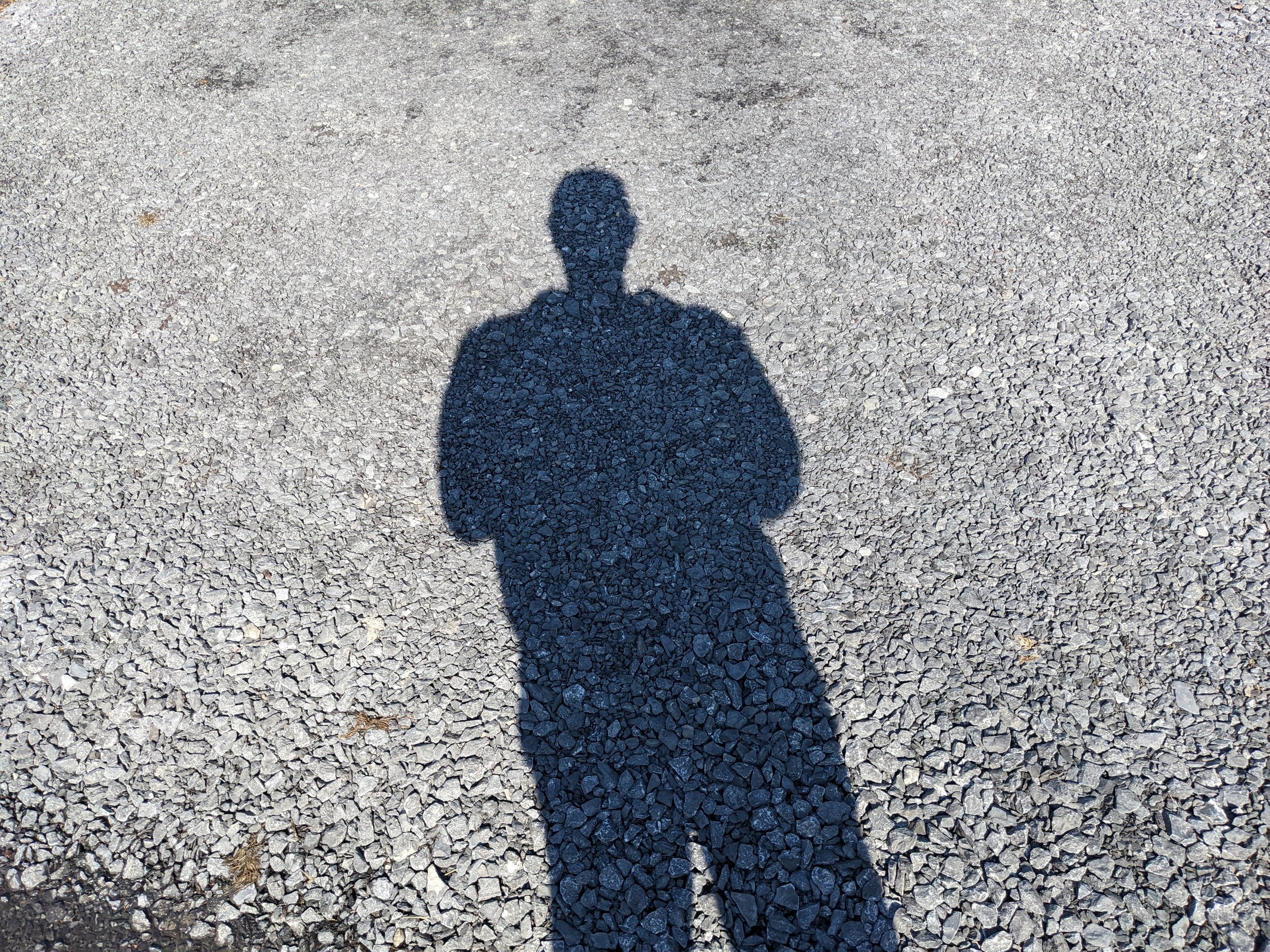
“Even where the term is used—in central and northern New York—it is not really ‘crusher run.’ It’s ‘crush-and-run,’ but nobody says that. It is a mix of fine gravel and stone dust. I can’t find the etymology of the term, but my guess is that the stone dust, which has been pulverized by heavy machinery during the mining and manufacturing process, is the crush, and the gravel is the run—or vice versa. One is crush, the other is run.”
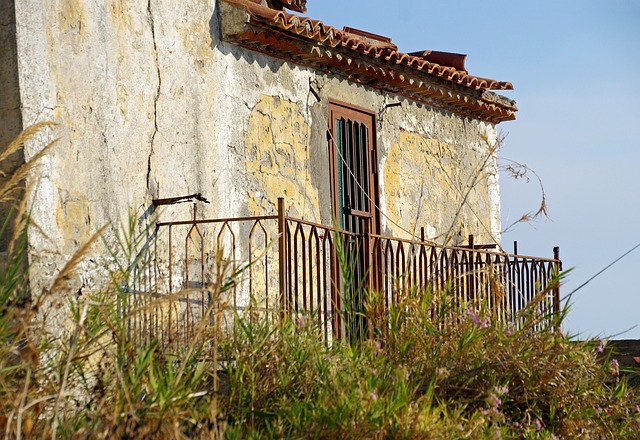
“Caccata comes from the verb caccare, “to shit,” and when you are caccata, you are full of it. Shit, that is.”

“Excess killed many of La Movida’s heroes but some just quit playing music.”
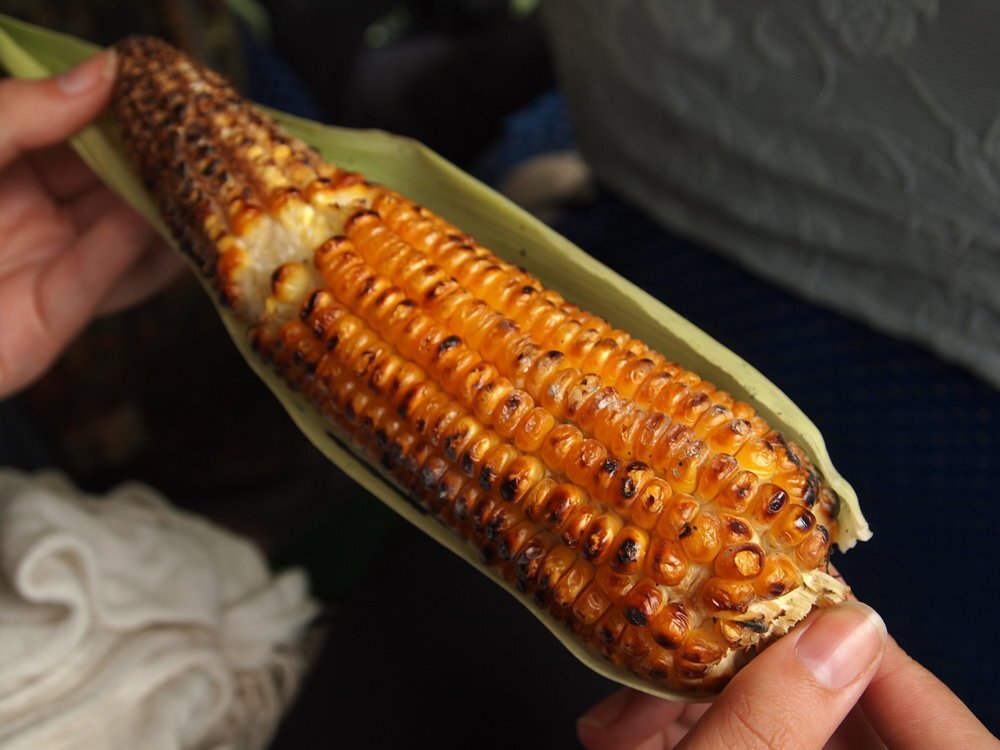
“Creamy and savory, with a sweetness redolent of French Vanilla ice cream—such a dreamlike experience had me wondering if this was finally the manifestation of nyongdrol.”

“Mornings were hot, dust rising under persistent traffic, easily tempered by warm afternoon rains. The small Ganesh statue carved into the wall along a hill near my house harbored an audience of candles with damp wicks.”
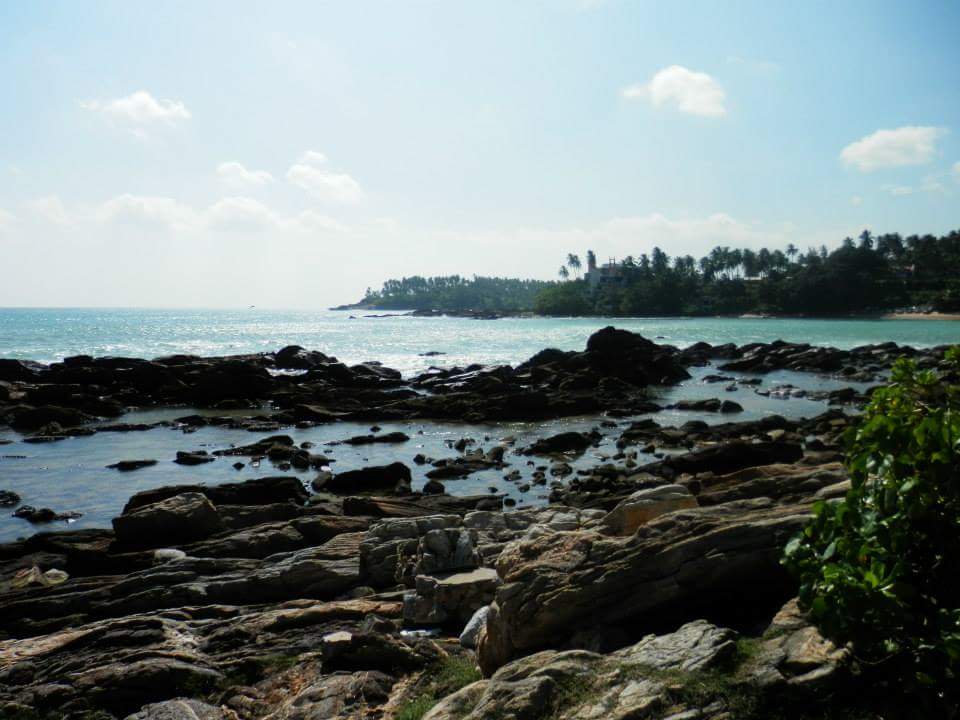
“Being biracial comes with a unique set of quandaries, and for me hiraeth has always been chief among them.”
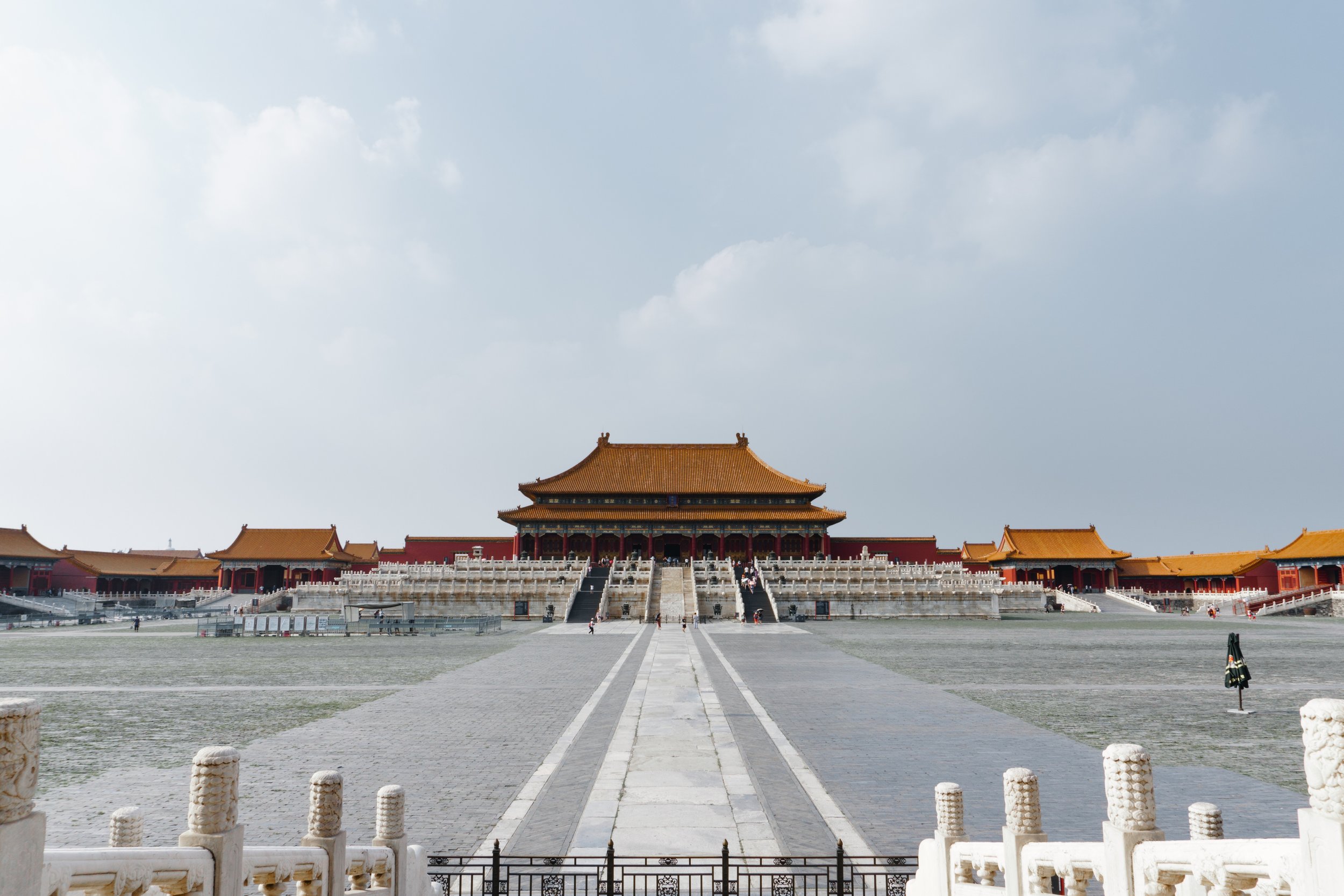
“A Chinese century, my brother tells me, is just a blip. Dynasties rise and fall, wars are waged and emperors killed. Hours or decades pass while the men sit out by the canals.”

“The expectation that you had a right to be heard, no matter what, seemed audacious, even arrogant. The line between confidence and arrogance, of course, depends on the perspective of the listener, and that staccato spirit of madzona plucked my insecurities.”
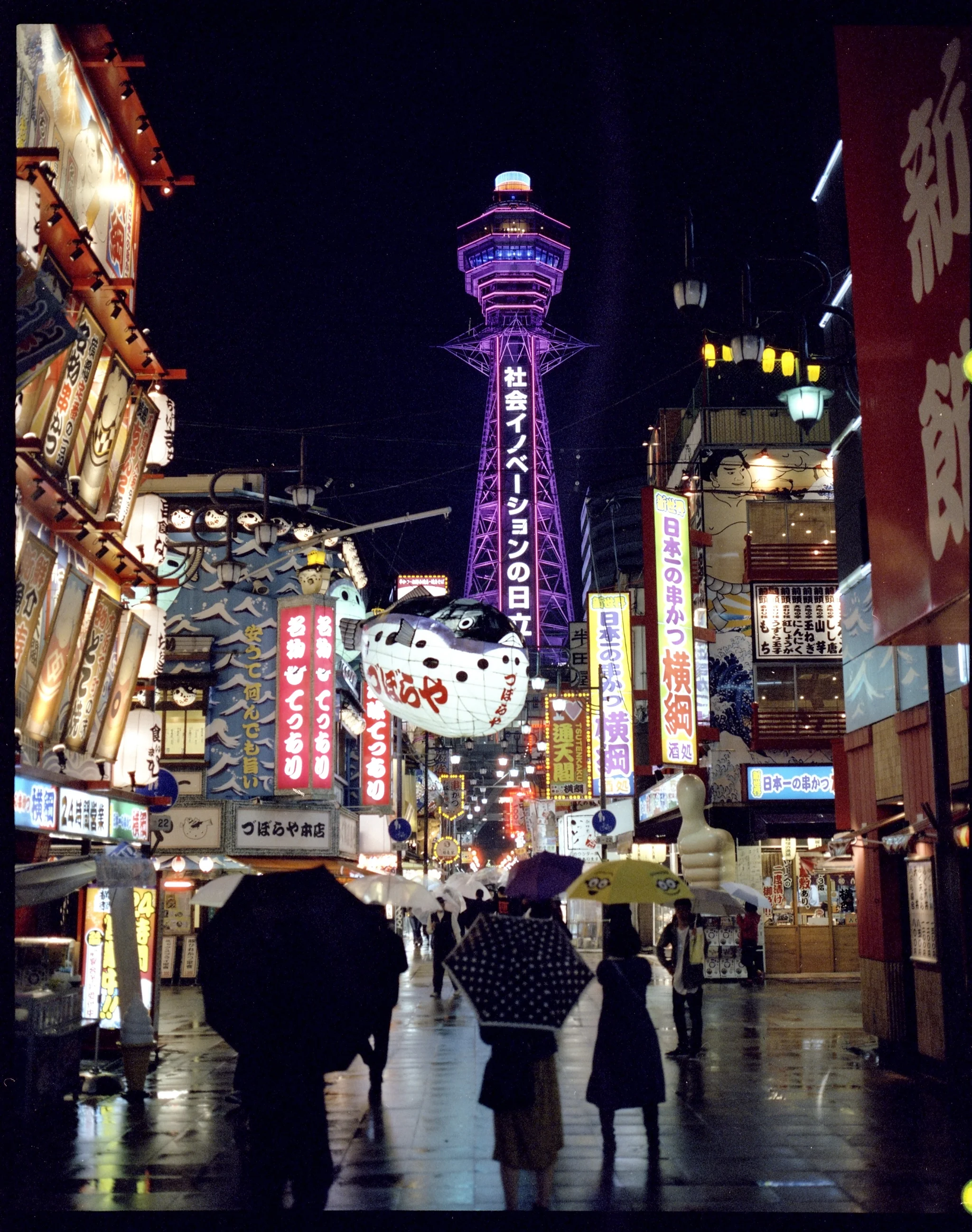
“Where nostalgia expresses a longing to return to time or place when things were good, it is tinged with melancholy, even sadness and anxiety. Natsukashii, on the other hand, is absent this gloominess and suggests something slightly different: a happiness to be remembering a happy memory.”

“Occasionally, I would exaggerate stories of California to entertain my summer friends, but I felt uncomfortable with the responsibility of relaying all the nuances of American culture and uncomfortable that they didn’t see me as a fellow Spaniard.”
“The man driving next to me put his foot down hard on the gas, and we pulled even with the black truck. Sleek but dirty, new but dented deep, the truck was expensive.”

“Each person has a trastienda within them: a place my Cuban mother described whereby secrets thrill the day and deepen the night.”

“I listened to the word dozens of times during a single broadcast, sometimes succumbing to giggles. Such is the mental exhaustion caused by straining to learn a language with no classes and little written material. Or, the emotional exhaustion of trying to faq out a life as an alien in a new land.”

“I read German the way I might read a poem—testing every word for its meaning and implication.”

“I remember his house exactly, although I’ve never been.”
What I Didn’t Say
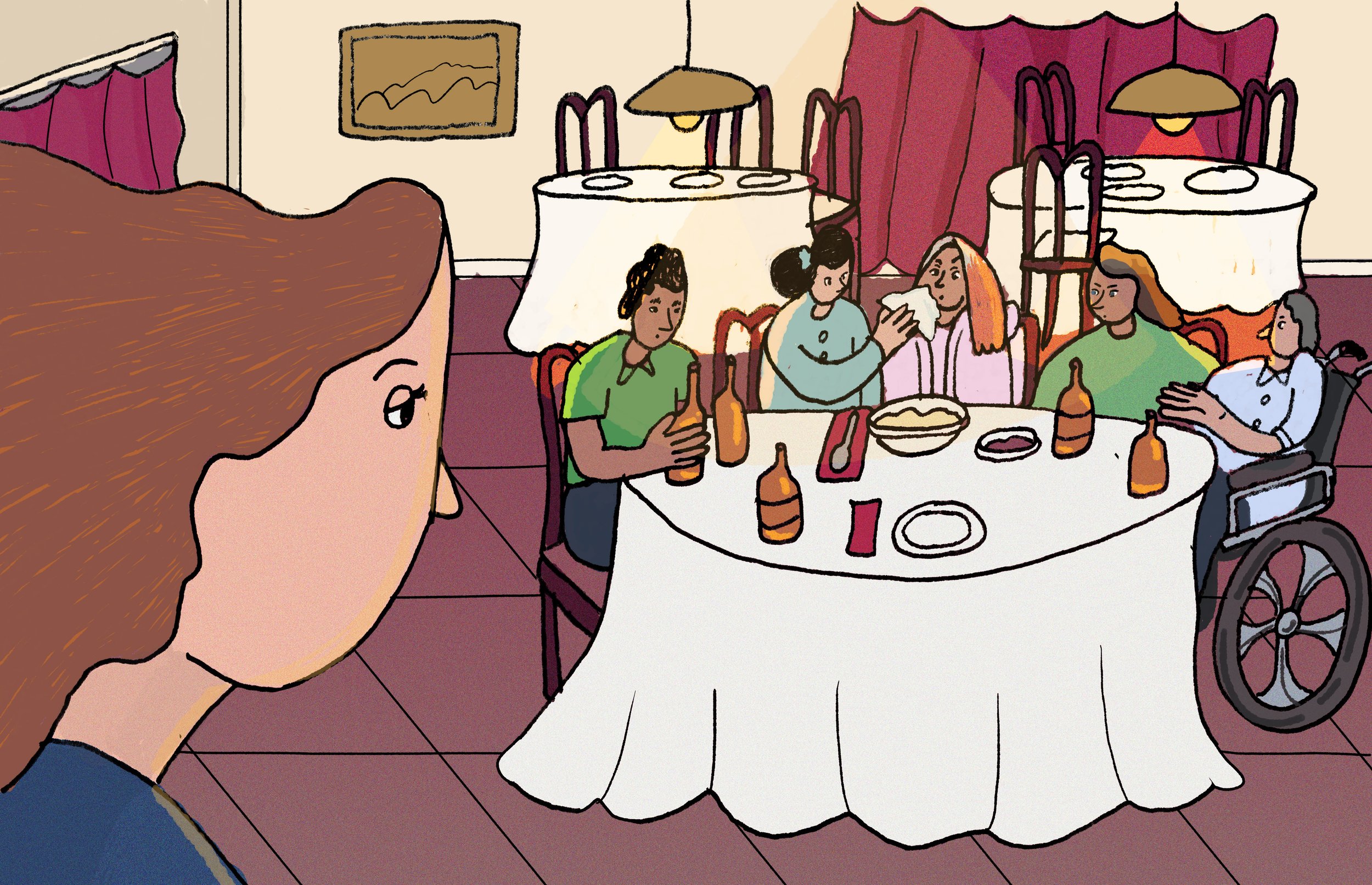
"I have a recording from the night I walked a street in central Tunis almost thirteen years ago. It is a few minutes long—a mess of car horns and people chanting in Arabic, a language I don’t speak. The date is October 20, 2011, and the people are celebrating the death of Muammar Gaddafi, who ruled Libya from 1969 until he was assassinated that morning."
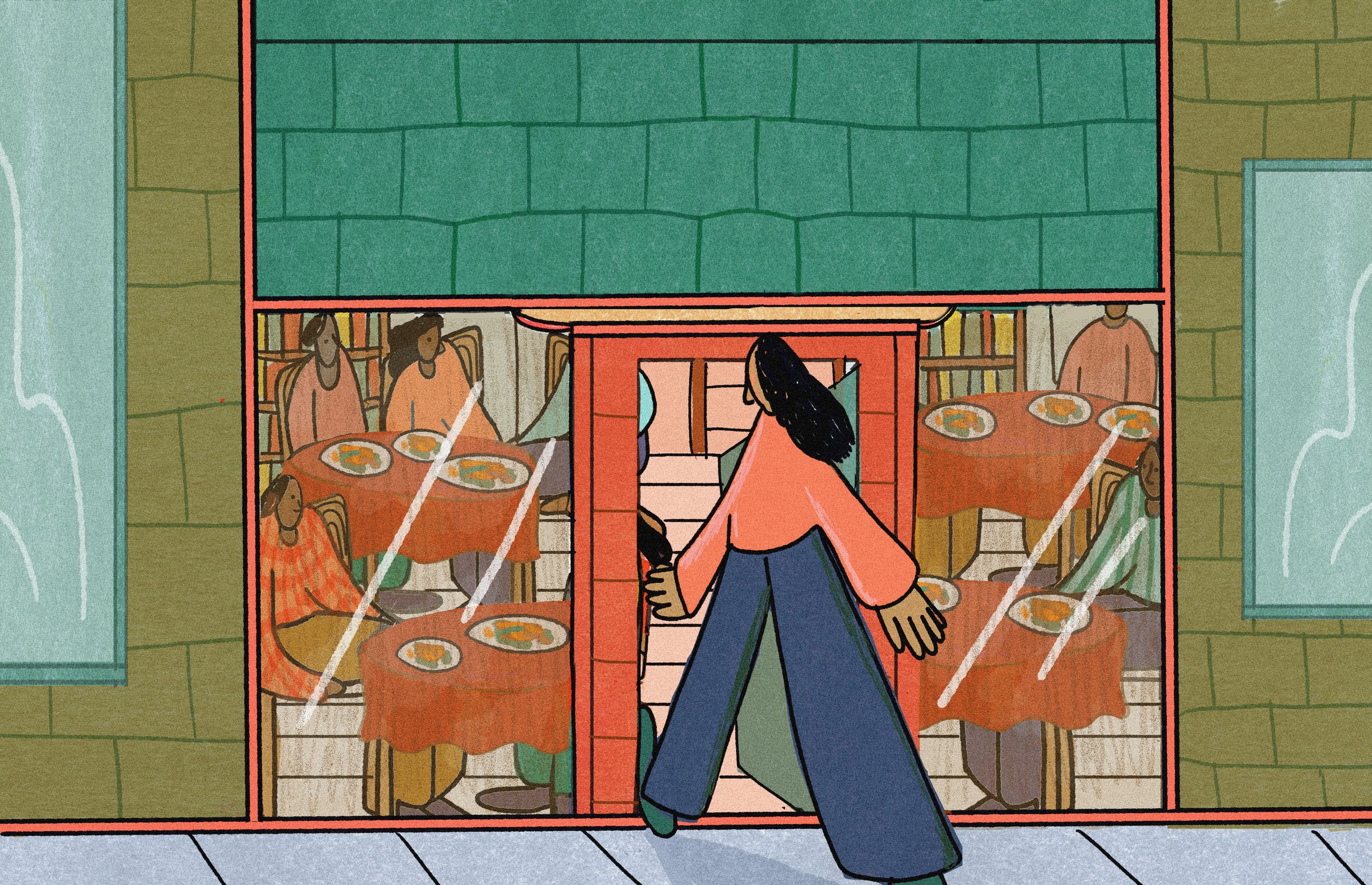
“Believe me, I never wanted to go to Masala Chaat House. I passed it every day, a cramped one-room restaurant sandwiched between two printing shops on Kampala's bustling Nasser Road.”
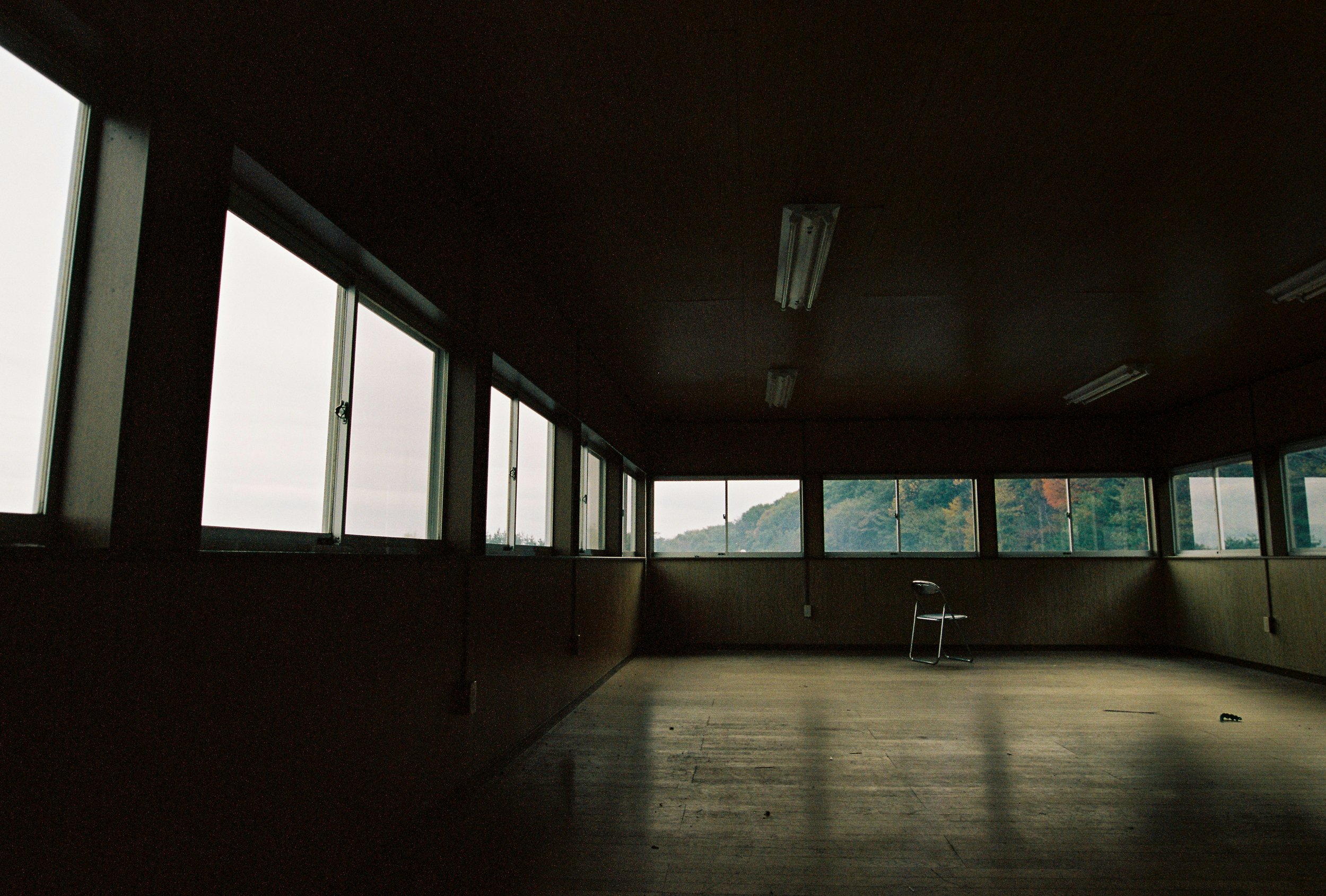
“In 2017, I visited Fukushima on a travel grant from Columbia University’s MFA program to research why, six years after a 9.0 magnitude earthquake and tsunami ravaged the eastern coast of Japan, 35,000 individuals continued to live in temporary housing. The small, prefabricated houses spread across the greater Fukushima Prefecture were quickly deteriorating. Tens of thousands of Japanese were in limbo, news sources insisted.”
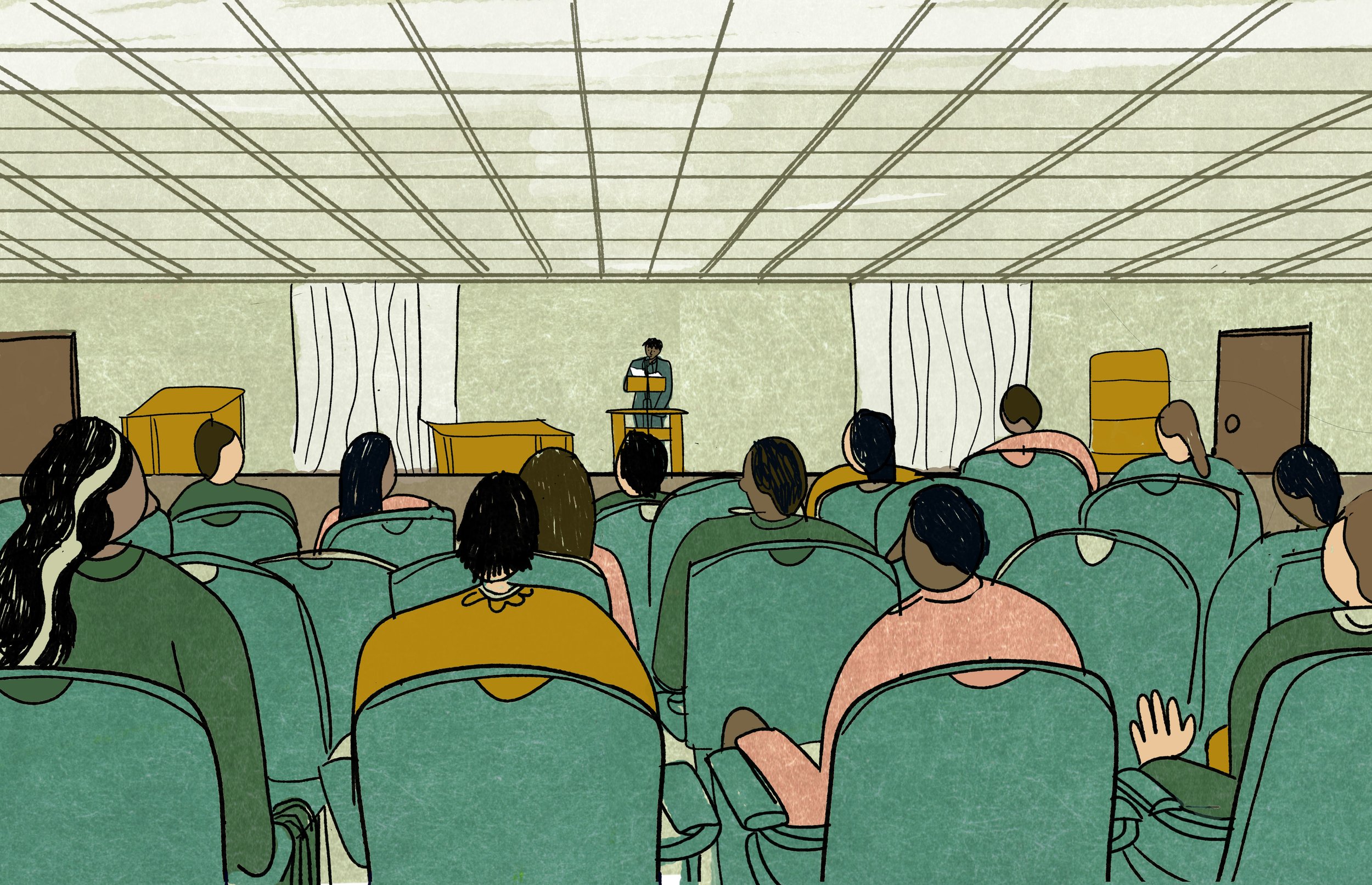
“I was born into Christianity as I was born into America. In my childhood, there was the church and the diaspora, and I could not imagine one without the other.”
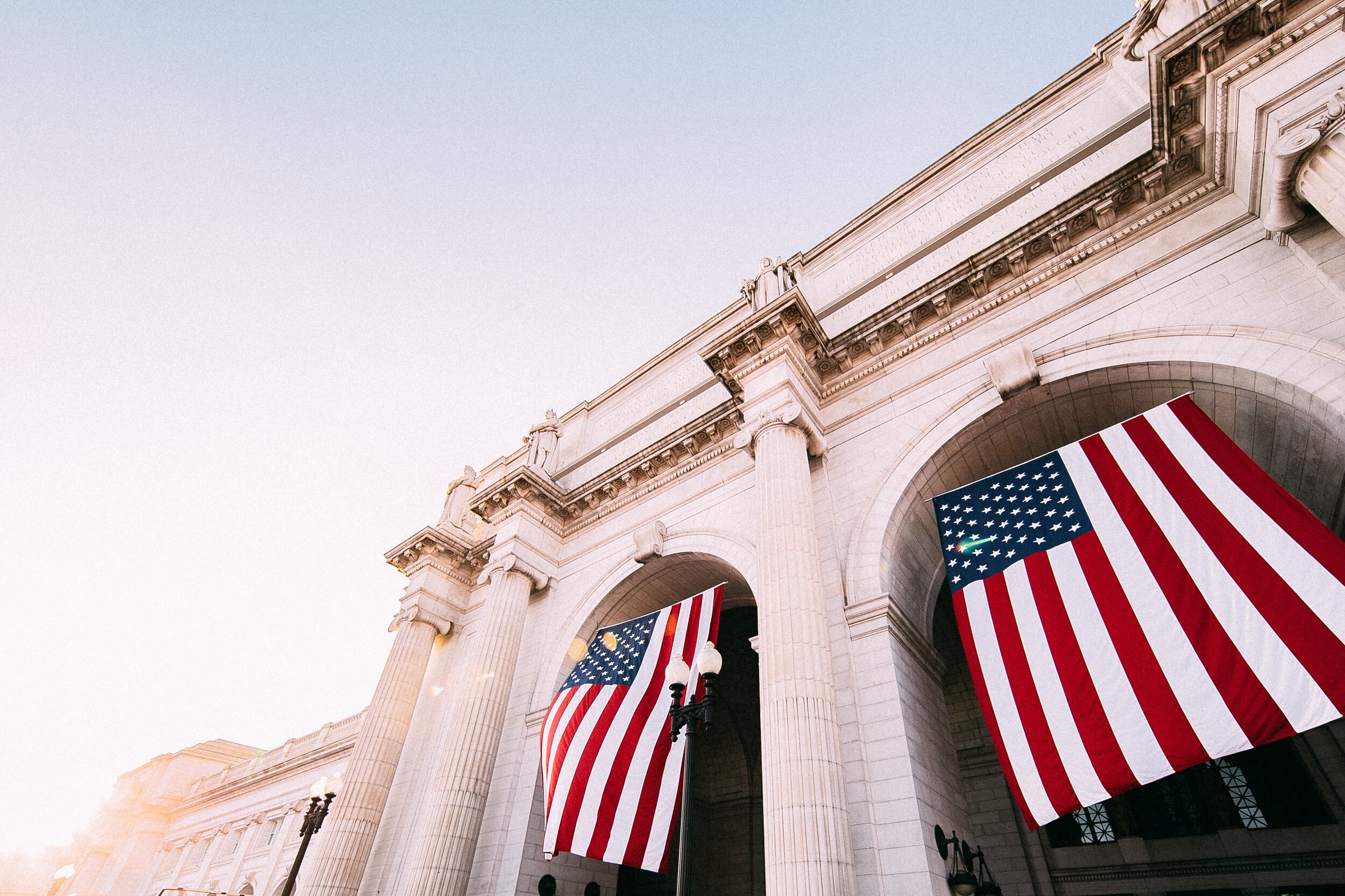
“I don't think you should ever rest on the conceit of your subject and their fame in general to get you through a story. You need to convince your readers that they should keep reading beyond the first section, beyond just the fact that this is the wife of a famous senator.”
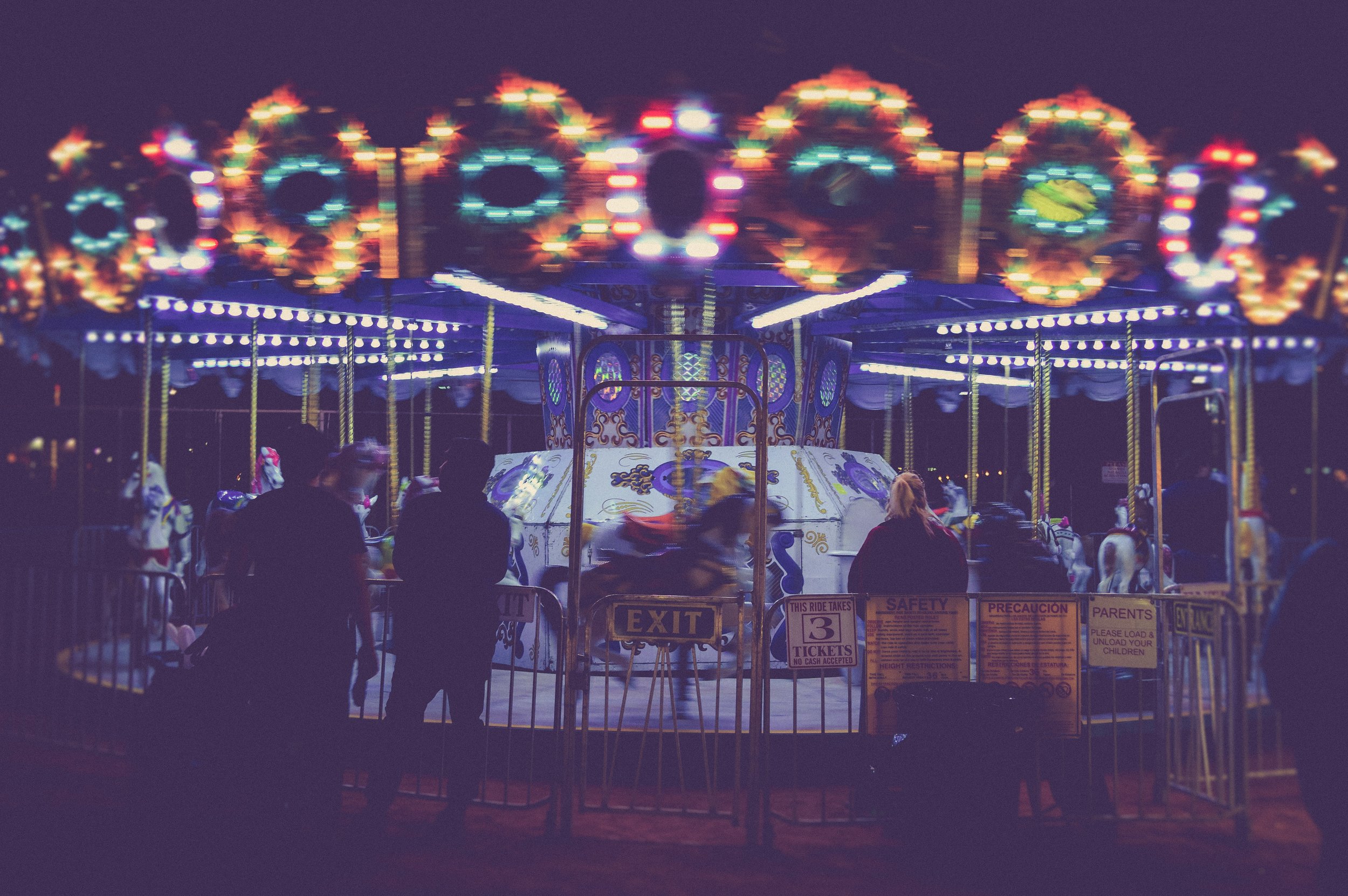
“This was the backstage, the green room, the wizard’s booth behind the curtain.”

“You’re gonna ask me that before I have sex?!” she joked. I agree that, yes, the timing was shit and we could totally skip it. But she graciously answered.”
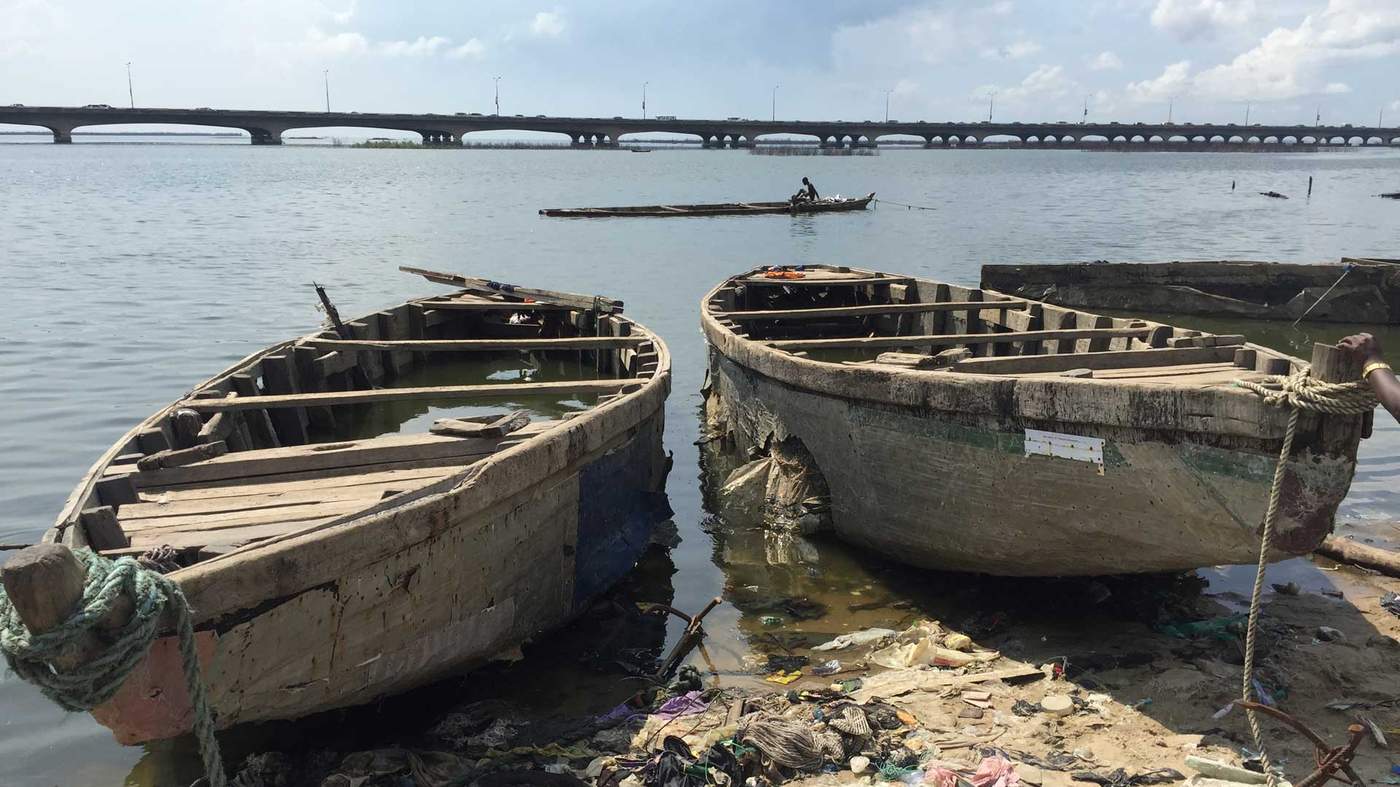
“You see, Lagos always had a goal—to become a megacity, a world class city, a modern metropolis that Nigerians could feel proud to call home. But this dream comes at a cost.”
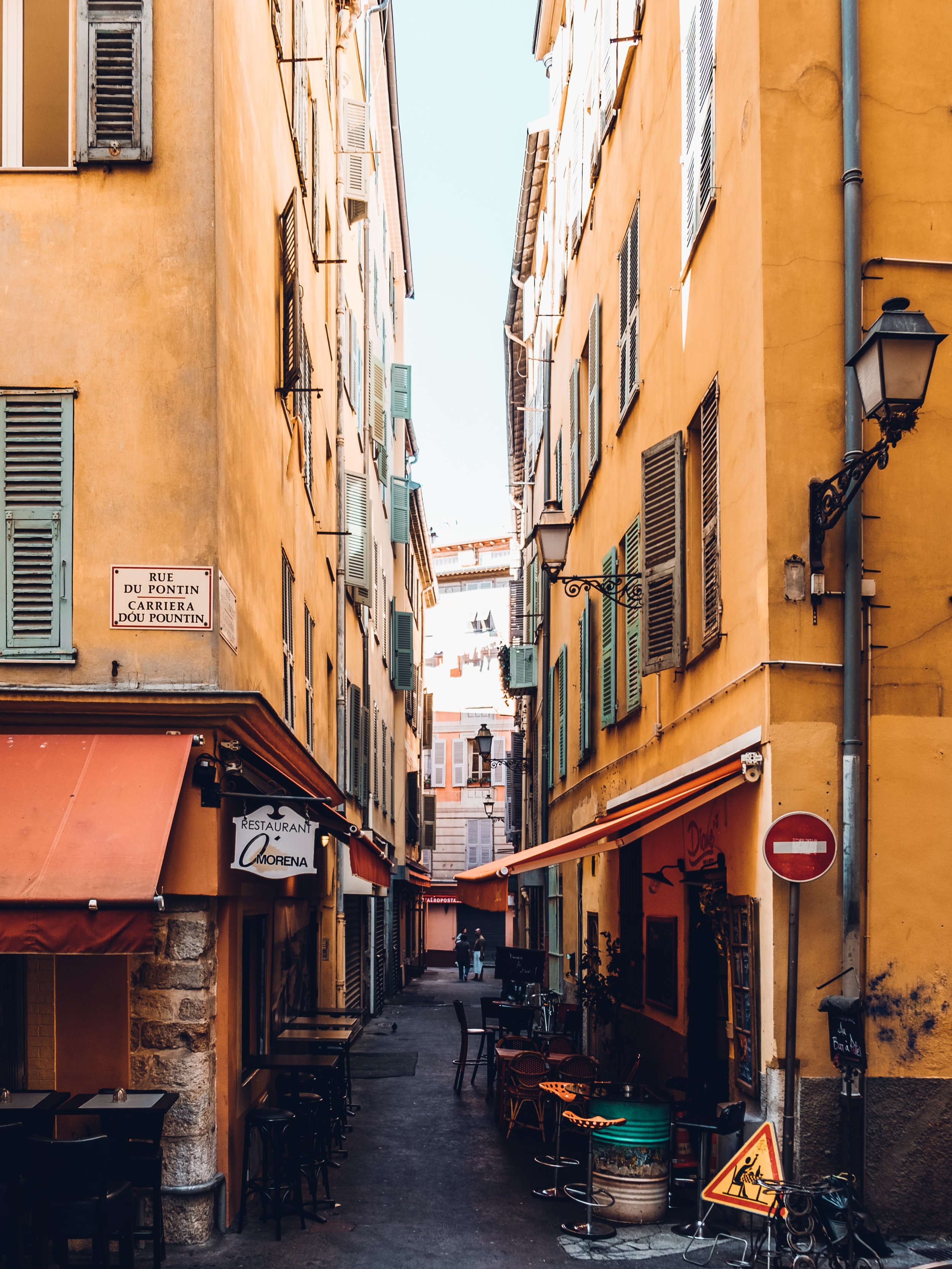
“He worked summers along the Riviera as a tour guide, he told me, mostly for ‘rich assholes’ but sometimes for ‘nice Russian women.’ These were the two categories into which he put most of the world’s population and I think it struck him as refreshing, if not downright serendipitous, that I didn’t fit neatly into either one.”

“The lunar-like landscape of Wadi Rum stretches out before me—at once, alluring and overwhelming in its enormity. I am an insignificant speck, not unlike the grains of sand beneath my bare feet.”

“I come with a background where I'm not a shocked or as naive about why the president is doing any of this and the impact that it has and how it resonates with his base, and why he presses on the caravan issue for example. It just doesn't surprise me that he's using what's happening at the border for his own political advantage. It works because we've seen it work time and time again in Arizona.”

“Latvia’s first LGBT Pride march in 2006 had been violently attacked by a mob armed with human feces and holy water, placing the country on Amnesty International’s Human Rights Watch list.”

“He still had an enviable crop of hair and beard, now gray and relatively kempt, and though his skin was doughy and shadow-less his eyes were as soft and expressive as a pig's. As he sat at a visitation table in clean blue chambray, he looked less like America's most dangerous criminal and more like the original Maytag Man, waiting fist-to-cheek.”

“There was an entire system in place that revolved around disposal. It was an act of letting go that was deliberate and methodical, an active and almost festive act of losing, antithetical to how I functioned as a person.”
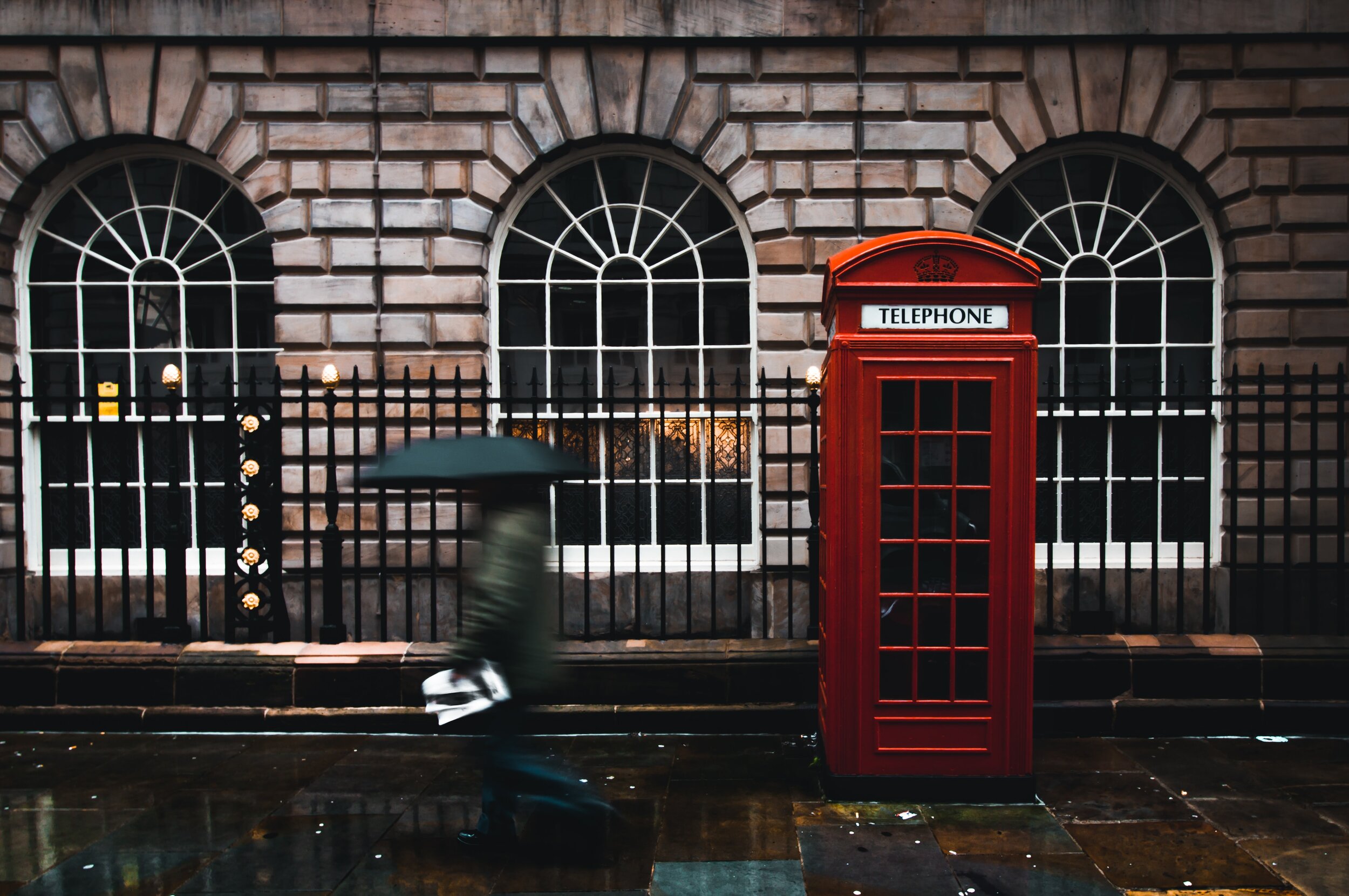
“I walk down Portobello Road, past the bright blue, red, and yellow facades of buildings that I have no desire to enter, past glossy, small boutiques filled with narrow-hipped women…I’m wearing clean scrubs, clogs. A foreigner. Refugee from a hospital, wanting to preserve my other life, the person I was before the sacrifices of this long training.”
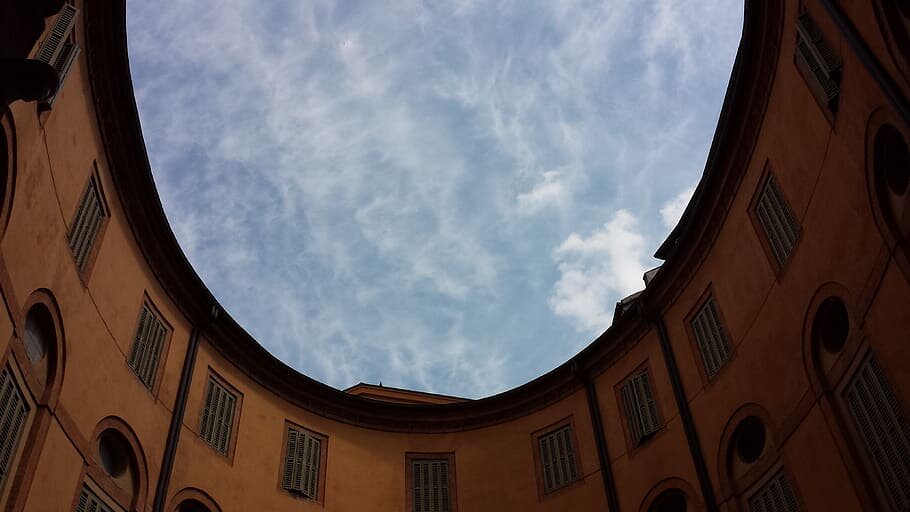
“There’s also a strange phenomenon many people have noted, and the motive for retranslating any work, and that is that the translation dates while the original doesn’t.”
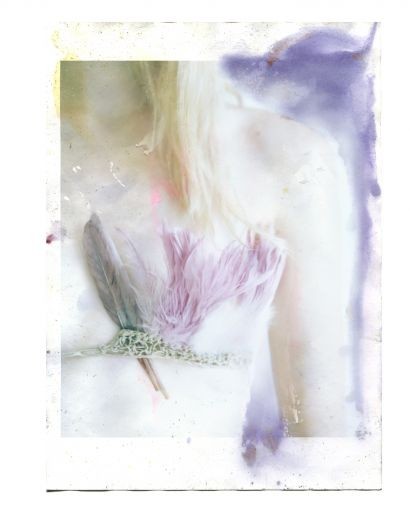
“The essence of design is just to express who you are, or express a view you have of the world. For me, it’s also about the sense for craftsmanship.”
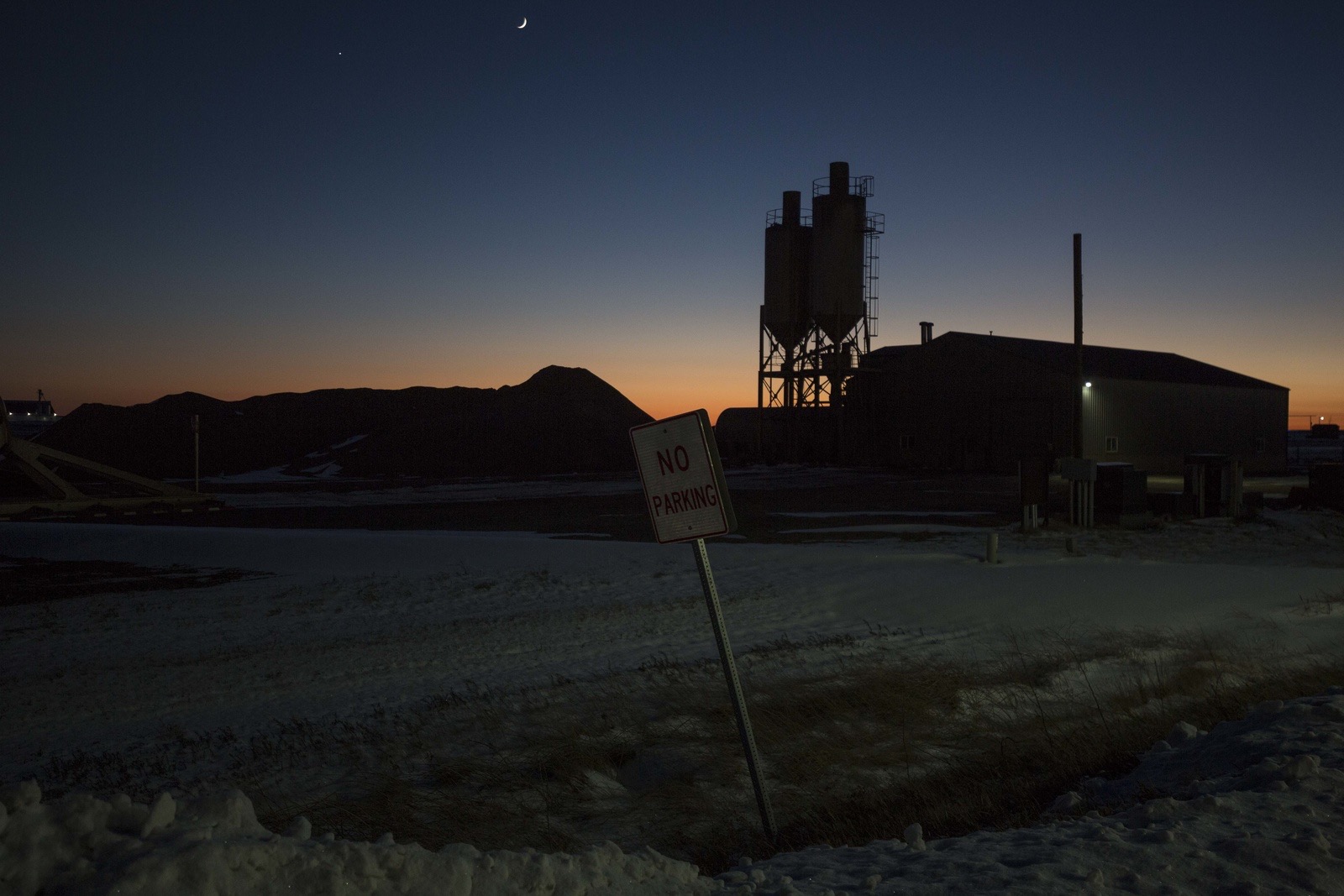
“With such a tenuous relationship to our stories, how can the media demand our trust? How can they demand to tell our stories?”

“I was sure that if I threw myself at the sports world when it was at its best I would hit something worthwhile.”

“Irmela Mensah-Schramm started removing hate graffiti one day in 1986. As of 2016, she had removed or altered more than 70,000 stickers or pieces of graffiti.”

“When he got back to Vietnam he knew they’d lose the war because none of the US soldiers wanted to be there. They smoked marijuana in their barracks at night, he said, listened to rock music and read letters from home, sobbing aloud.”

“We laid on a slab of sandstone and watched the moon and listened to the water trickle over red rock glazed moonlight-blue.”
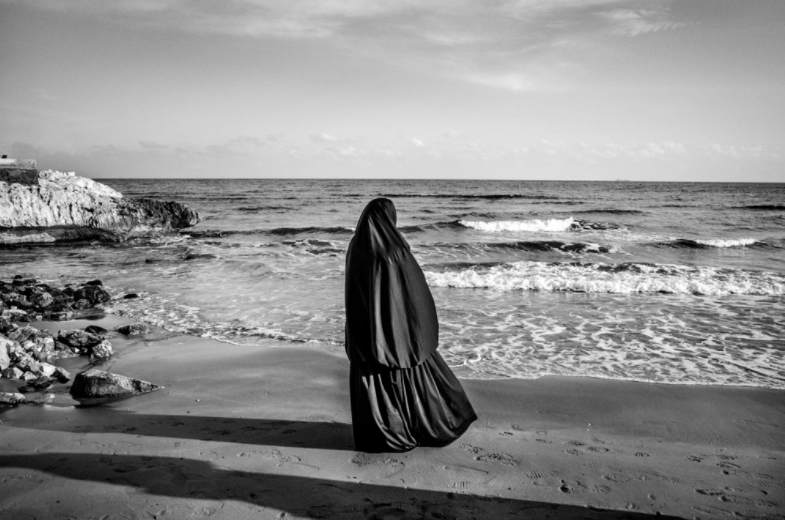
“From 2011 to 2016 Fabio Bucciarelli photographed the plight of refugees fleeing the uprisings of the "Arab Spring." During that time, he began work on his long-term project, "The Dream."“

“The whole history of television is executives saying, "No, that female character is too unlikeable, that female character is too obnoxious, that female character no one’s going to relate to. That female character is not sexy enough, is too chubby, is too...”

“We had seen fire, and we had seen rain. We had seen some of the worst desperation the country had to offer, but also the friendliness and kindness that marks so many encounters in the Dominican.”

“The way this presidency moves, it’s sort of like a pinball machine, bouncing from issue to issue with amazing velocity. You sometimes find yourself on the same day writing about North Korea, nuclear weapons on the one hand, and the opioid crisis on the other, and some sort of big personnel shuffle at the same time.”

“There were times when Sean Spicer would call me and yell at me. Now in hindsight, I learned from that experience that I should never let anyone scream at me off the record. That shouldn’t be allowed.”
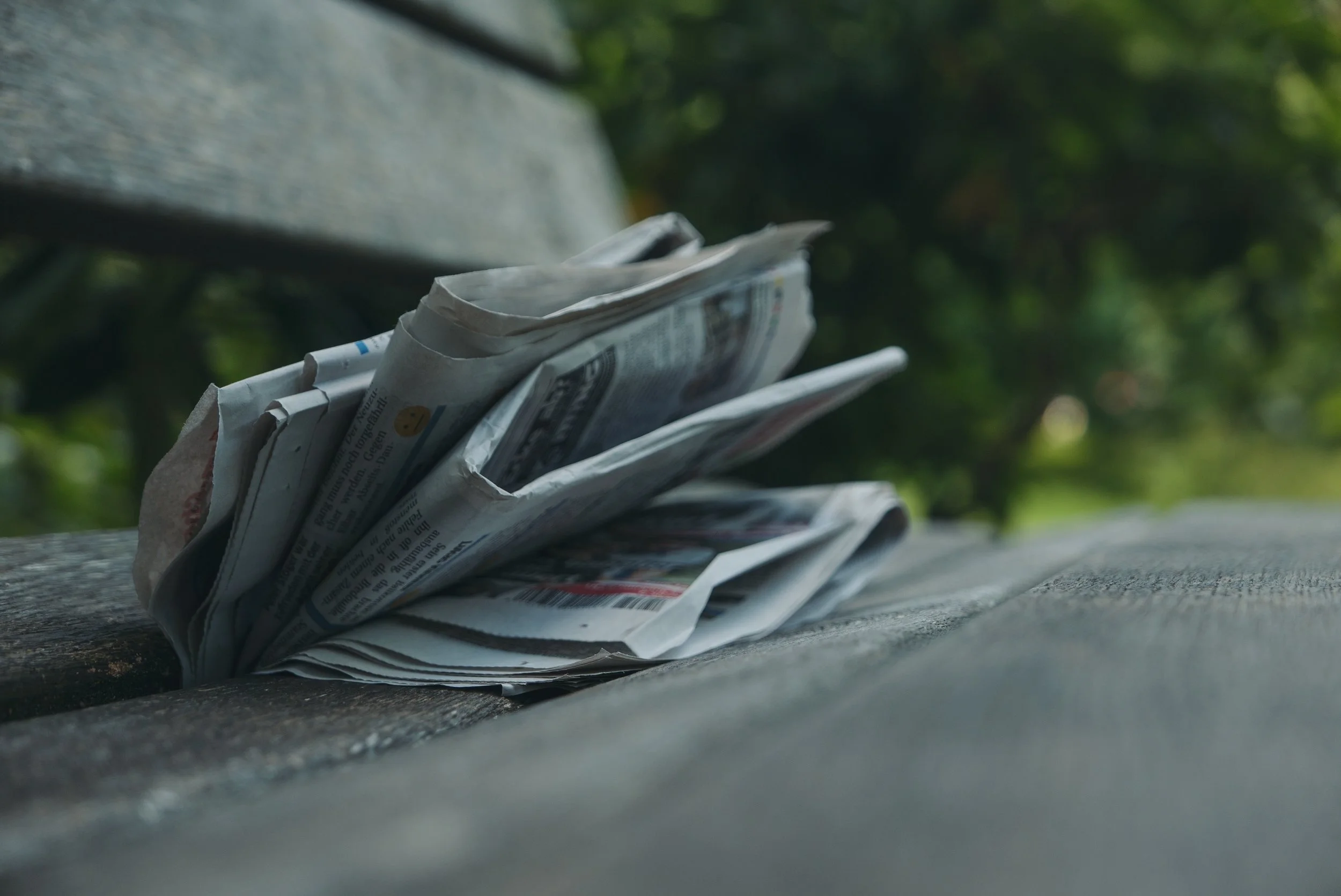
“I’ve been doing this for 20 years, and I’ll be doing it for the next 20 years....this is a historic moment, whether you like it or not. It’s good to be able to say that you’re one of the questioners of an American President...”

“I apparently have an endless capacity to be obsessed with subjects. I’m obsessed with Trump right now. From just what he was trying to express when he took to Twitter shortly after midnight one night and wrote “Covfefe”...[to] how he’s making decisions on how to handle the crisis in North Korea, I find my beat fascinating.”
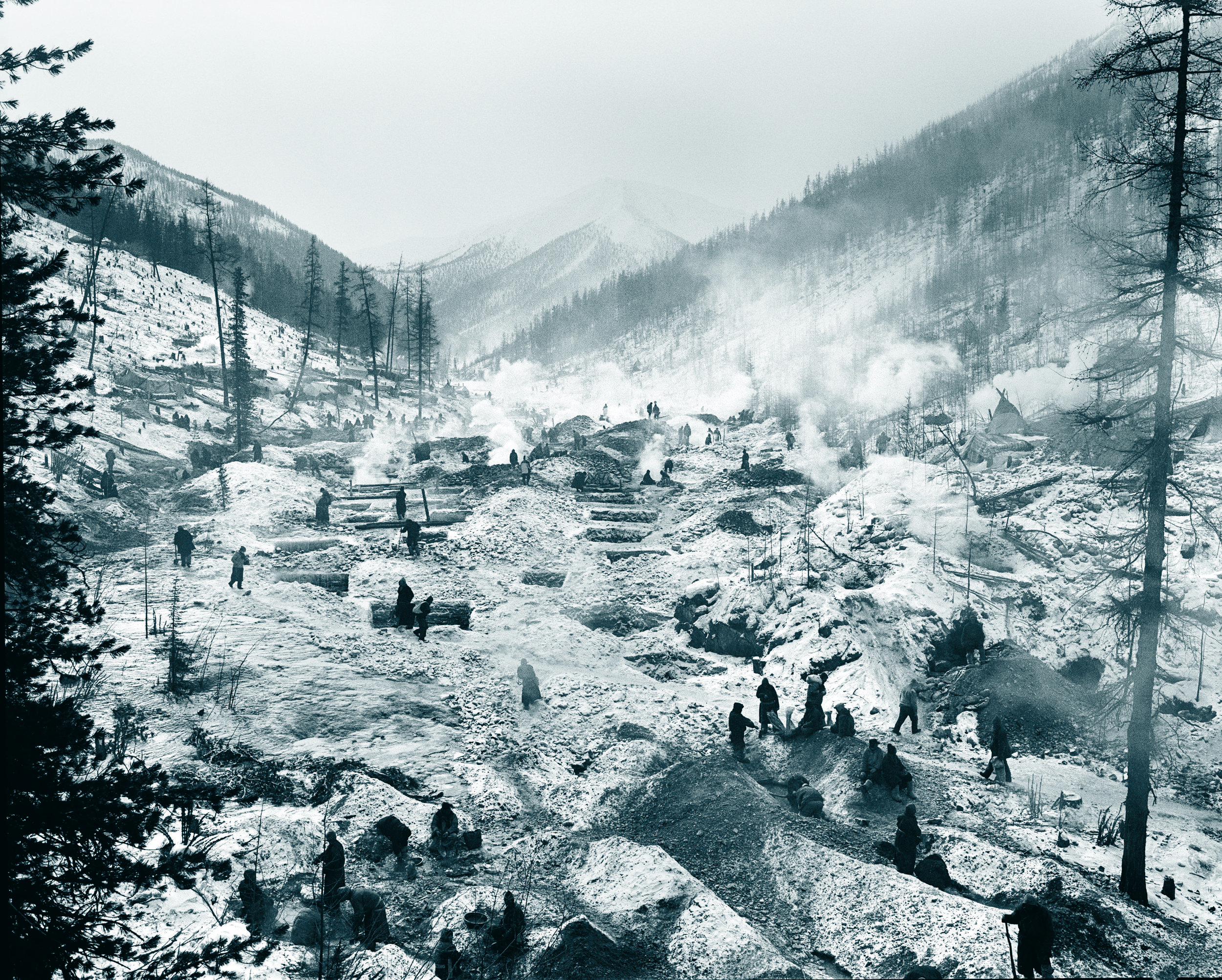
“And so, after having flown for a day, driven for three days, we now rode reindeer for three days in the dead of winter over moonscapes, and arrived in this place which was some hybrid of Mordor and Lord of the Flies. Reindeer bounded right up to us, like we’d just arrived at Santa’s workshop.”
Under the Influence

At the end of August 2023, I flew to Indianapolis where my friend, the artist Kate Parnell, picked me up in her mom’s silver Hyundai Sonata of late-90s vintage. It maxed out at 62 mph. Above the license plate, Kate had stuck a bumper sticker that read “Garfield from Memory,” the name of a four-year art project that had become her full-time job. The tagline: “The great thing about painting Garfield from memory is no one can tell you you’re wrong.”
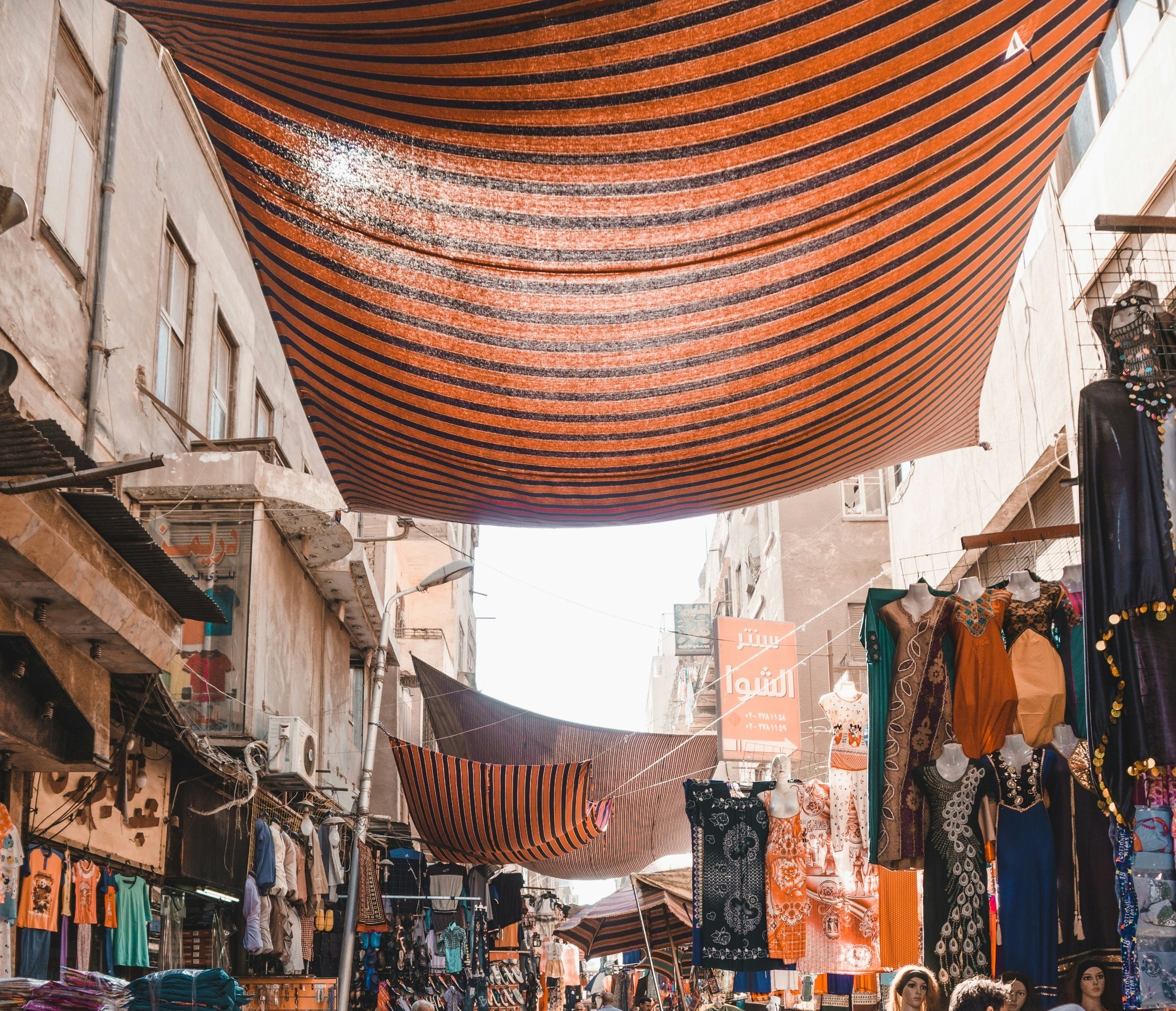
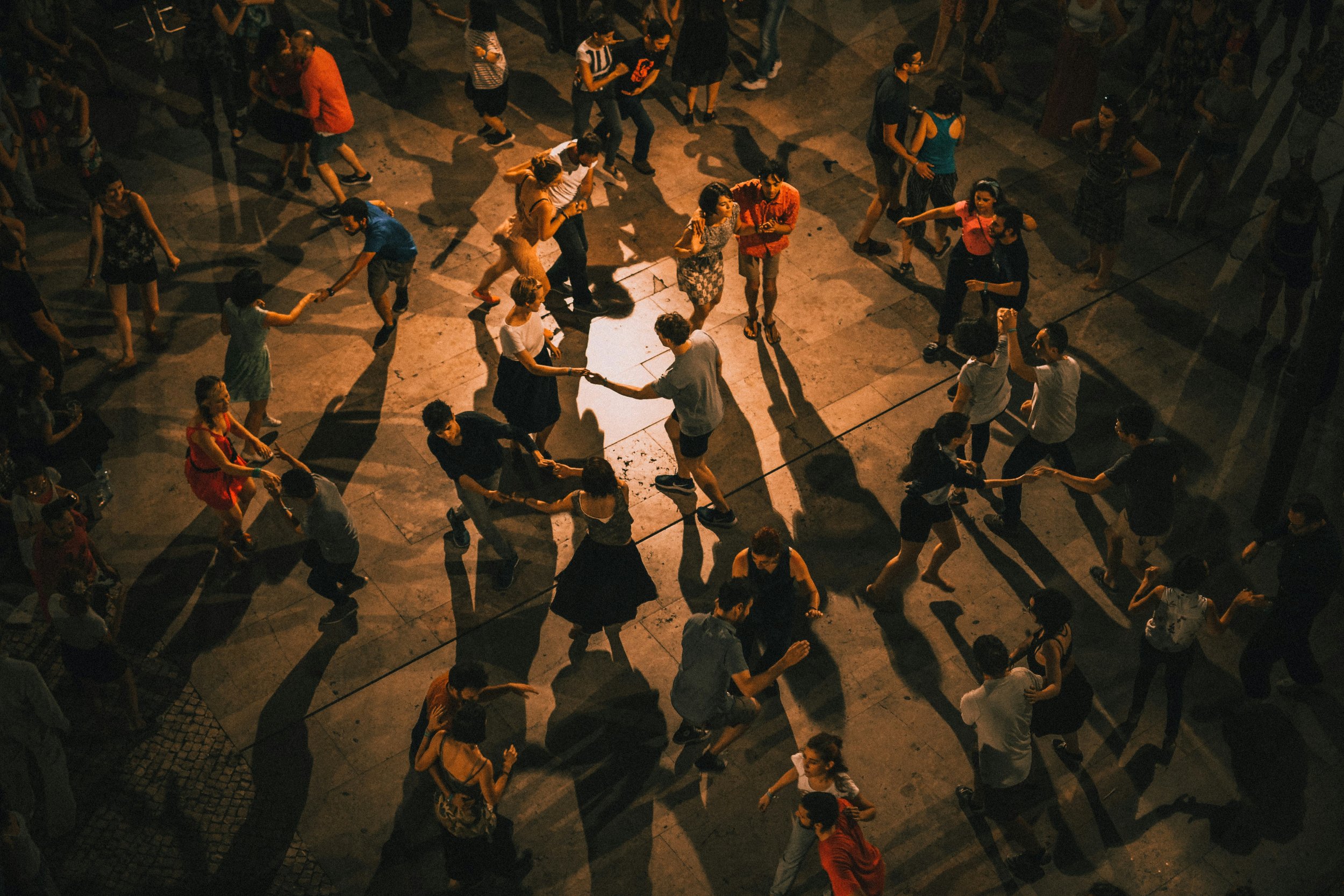
“On the North Carolina coast in late September, M and I went to an old-time jam in a friend’s backyard. The southern humidity had started to lift, and the air felt clean. Standing near the fence, we watched a couple swing dancing. They saw us watching and offered a lesson.”
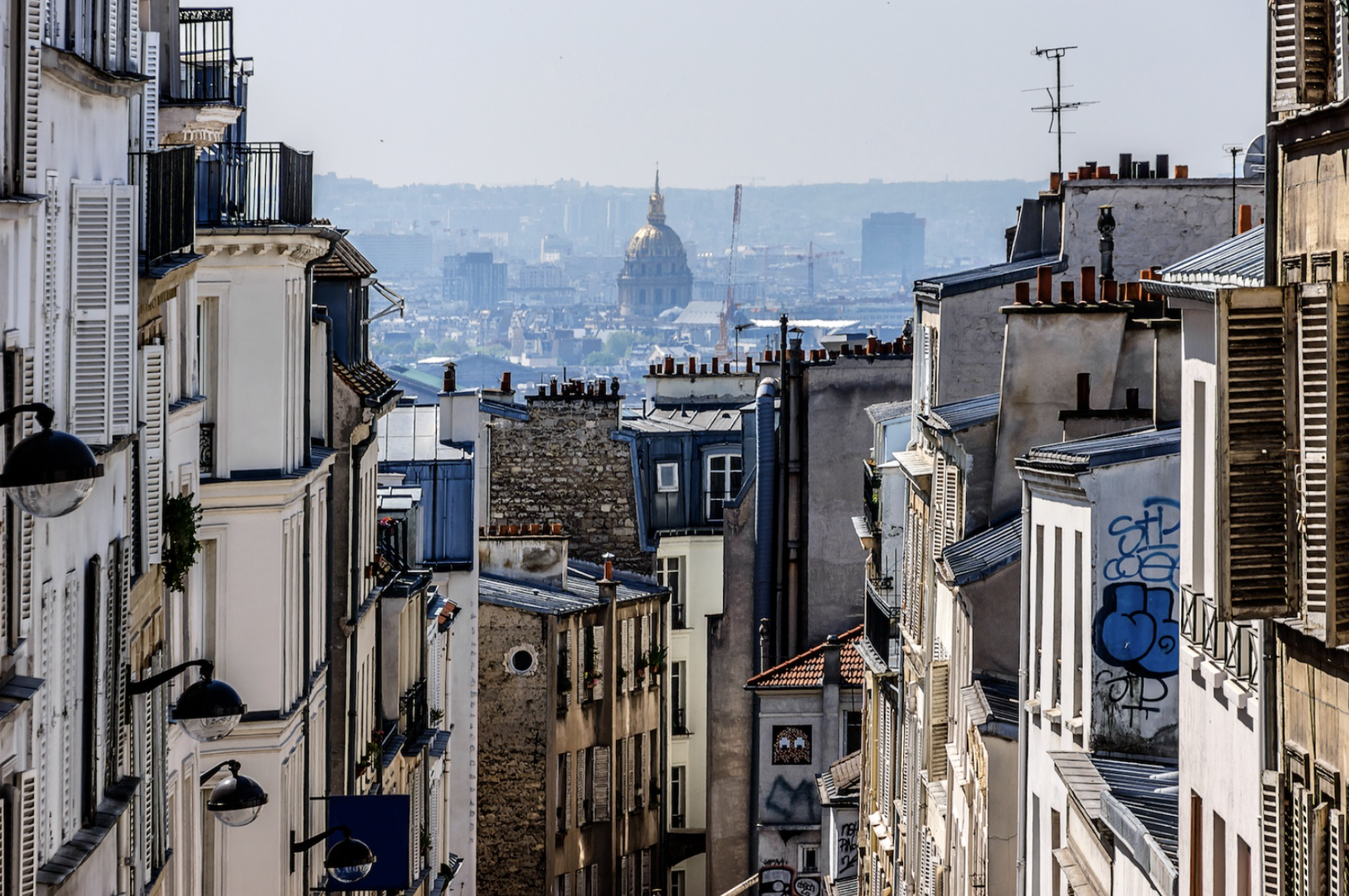
"New York City banned smoking indoors in 2003, the same year I became a chain-smoking, black-coffee-chugging high school dropout. I took this inconvenient timing as proof that I’d been born in the wrong era, nostalgic for smoky cafés filled with writers and artists surviving on grit and vision in a pre- gentrified city—nostalgic for a time before I was even born.”

I buy this CD from the Kmart on Santa Maria Way with a friend the summer before 6th grade. We walk to the store via a shortcut behind the thoroughfare without her parents as chaperones. My family lives across town, so we return to her house for the first listen. Summers are like this: my mother shuffles me to a friend’s house, and I start to equate car rides and leaving home with something fun. We didn’t always live out here—in the bad part of town, in a dirty house on a big lot full of rats. Everything about this house is red: terracotta tiles and maroon carpet and my parents fighting and stacked bills with bold font and a burgundy-painted deck in the backyard dealing out splinters.

By the time I reach Serifos, my sister has transferred to dementia care. "I shouldn't be here," I tell my classmates.
We're on a pebble of an island in the Cyclades archipelago, some 75 square km of rock heaved from the Aegean Sea. Commercial airlines don't land here. Large cruise lines don't anchor here. Summer visitors stay on precipices near the cave where, according to ancient legends, Odysseus killed a cyclops. Dramatic, remote, and imbued with history and myth, Serifos is an idyllic setting for our three-week literary retreat. But as we step from our ferry, I hold tightly to my cell phone. Dread follows me up the nearly perpendicular hill to our studio apartments.
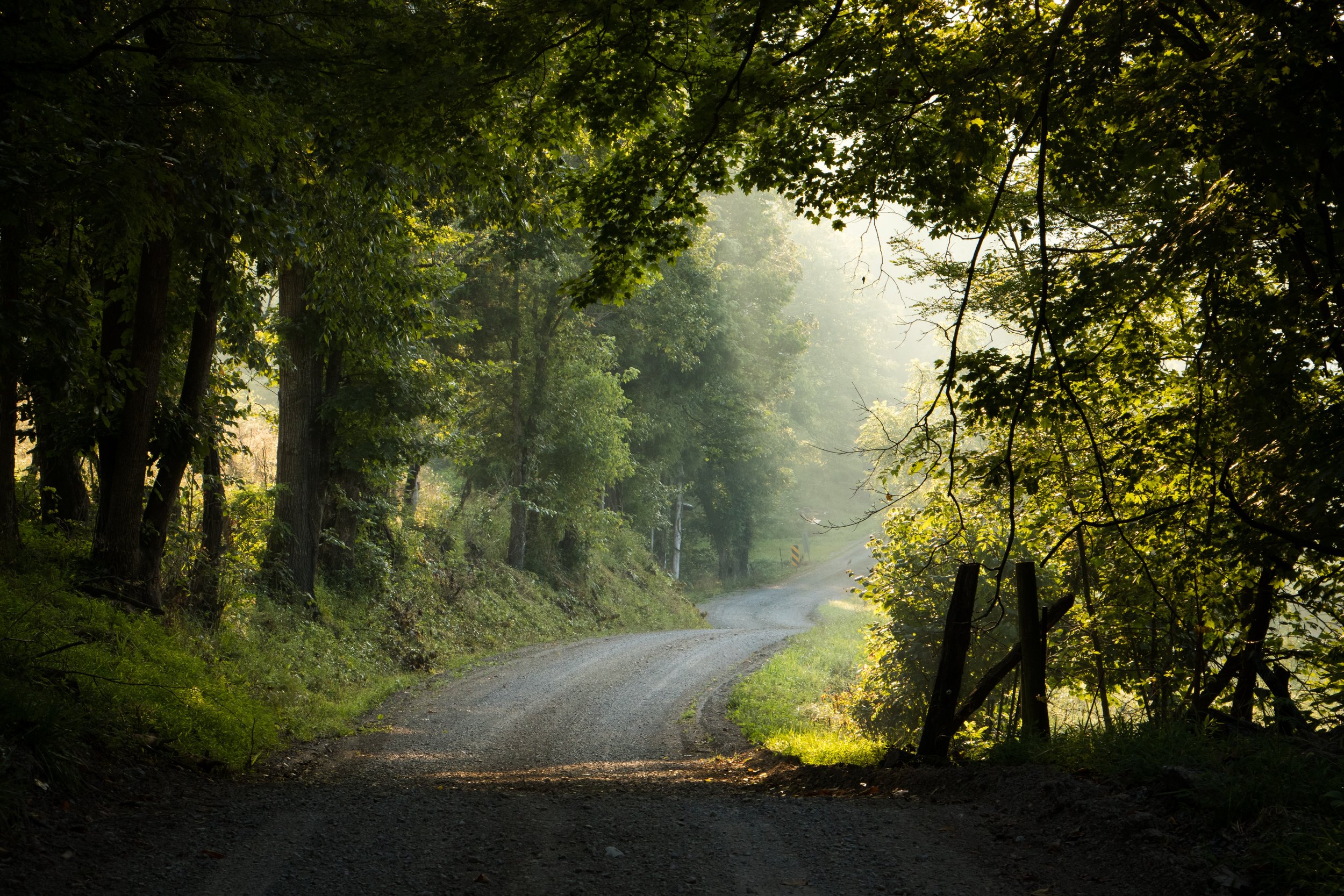
“On a bright, icy afternoon in early January 1999, I walked down the cement steps from my middle school towards my mother’s burgundy Ford Taurus, tossed my backpack into the backseat, and took my place in the front, moving a juice box and a bag of popcorn from the seat into my lap. The deep blue sky filtered through the great trees that lined the soccer field; stray leaves spiraled downward from the branches intertwining cathedral-like above. I was thirteen years old.”

“Sunflower played, and the boys sang along. They stood with their arms crossed, chests puffed, faces blank, lips purple. They used to count tides to know when their parents would be home. Now it was too unpredictable. They looked so young, shivering on the water's edge, forcing their voices lower, boys trying to be men.”
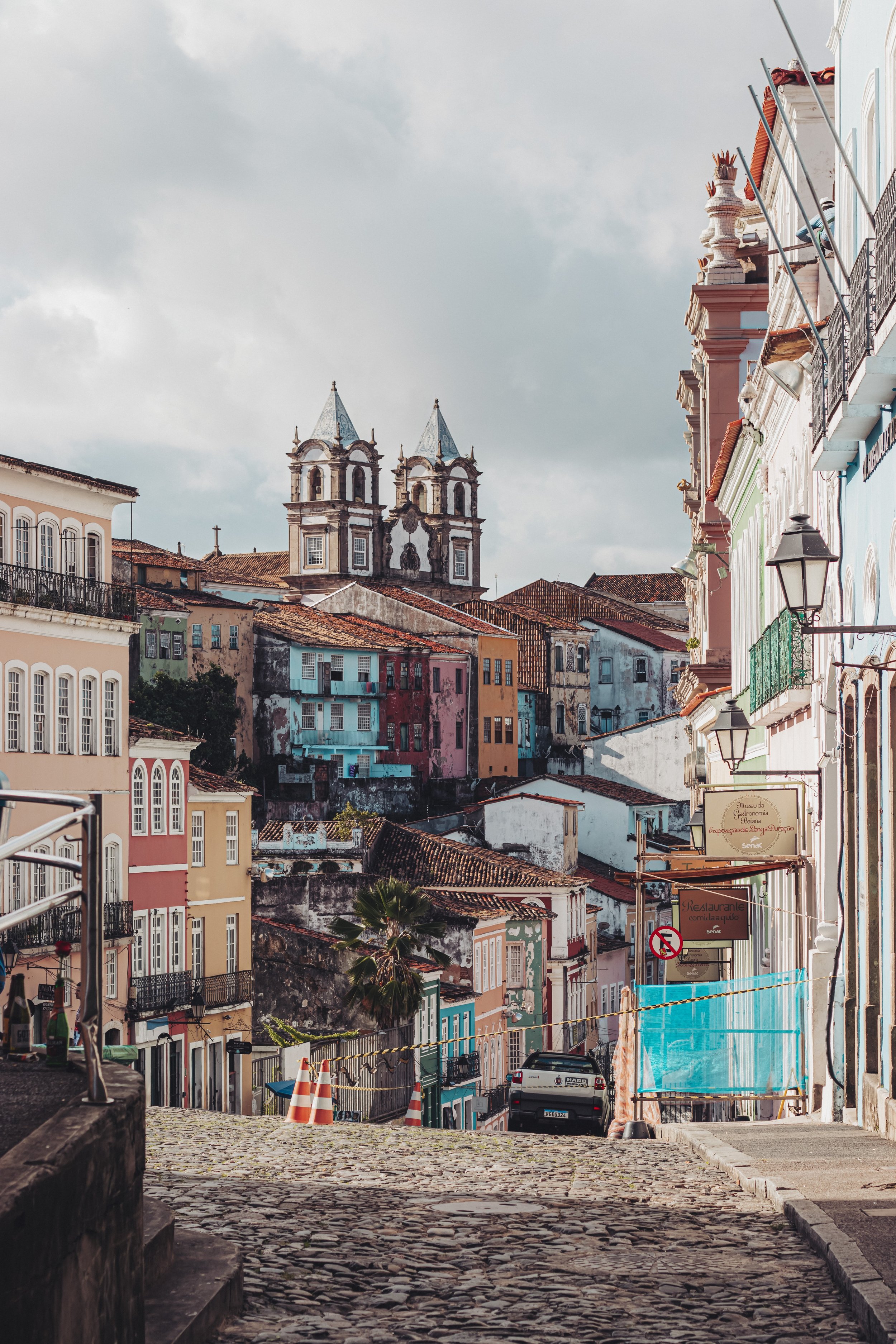
“Like the blues, samba is resistance music—the kind that seizes you by the throat and won’t let go—especially with its strong connection to Carnaval, the yearly festival that celebrates and reclaims Afro-Brazilian culture and its emphasis on percussion.”
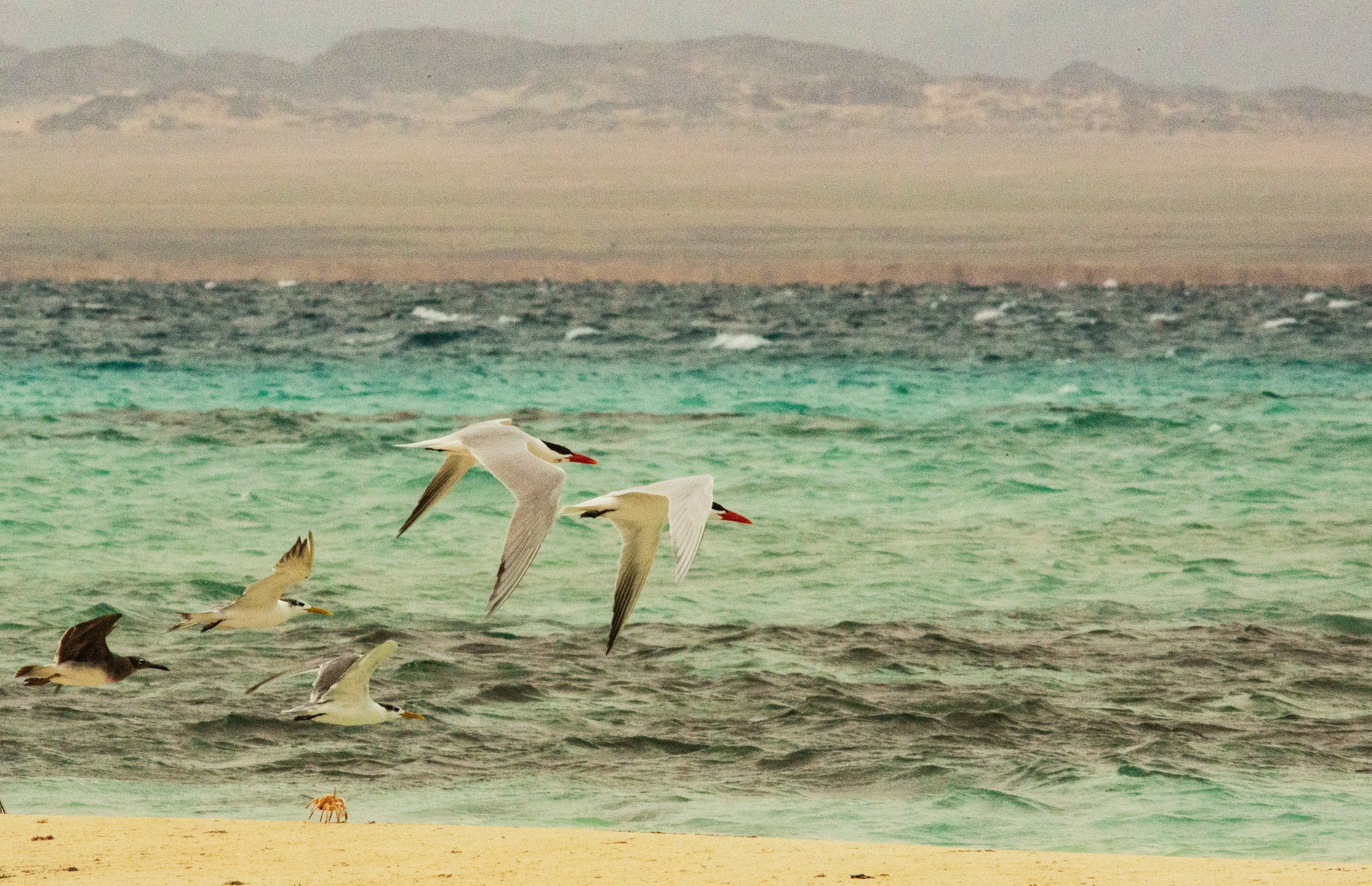
“Salih allows me to leave the Sudan of orientalist fantasy, depressing news cycles, and white terror for a gentler, more complex place. Salih provides the ease that I cannot find myself, so that I can enter Sudan more placidly in my own season of migration to this north.”
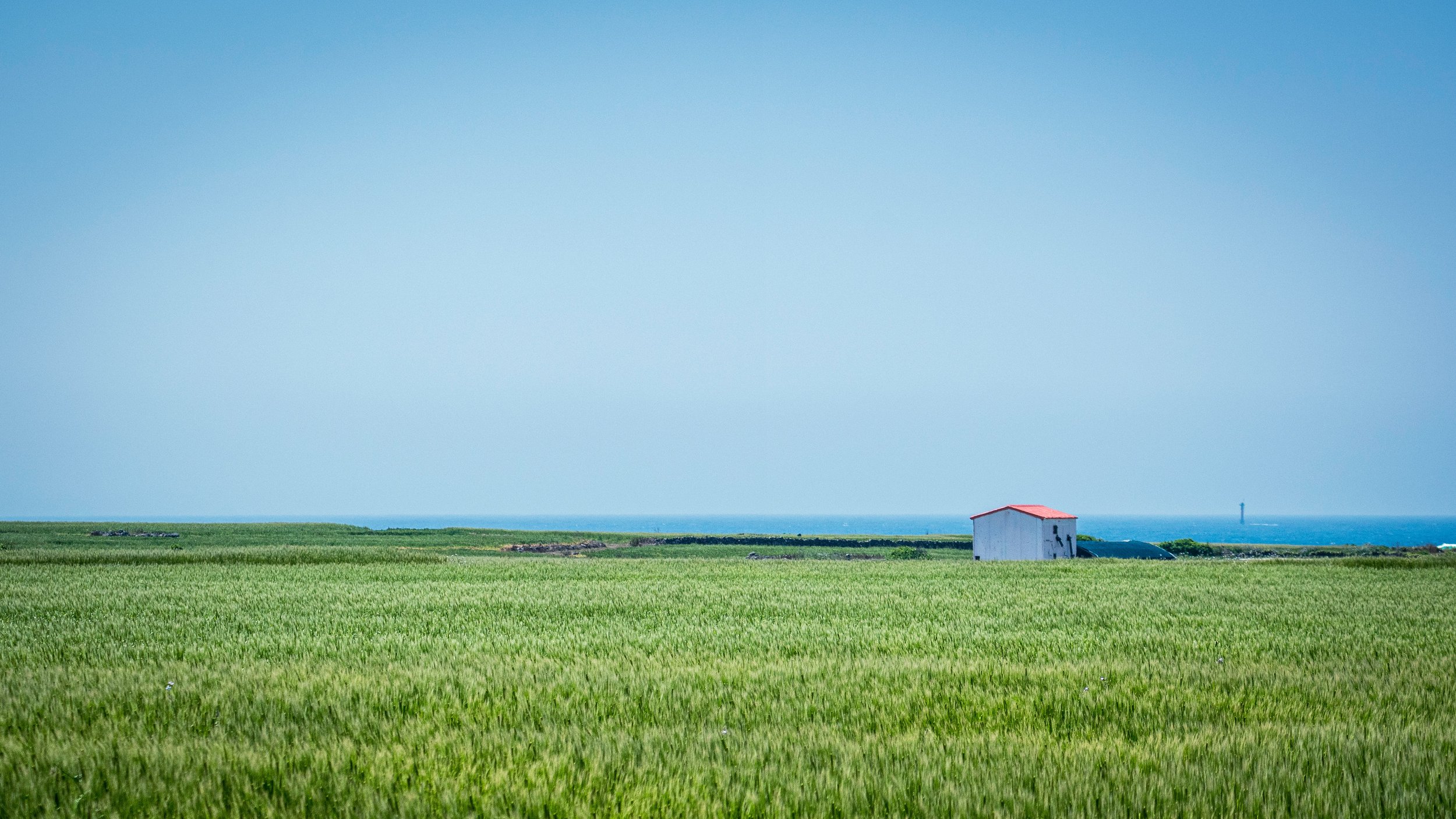
“Sometimes this courage is foolish. But foolishness does not necessarily mean that this courage is ill spent.”
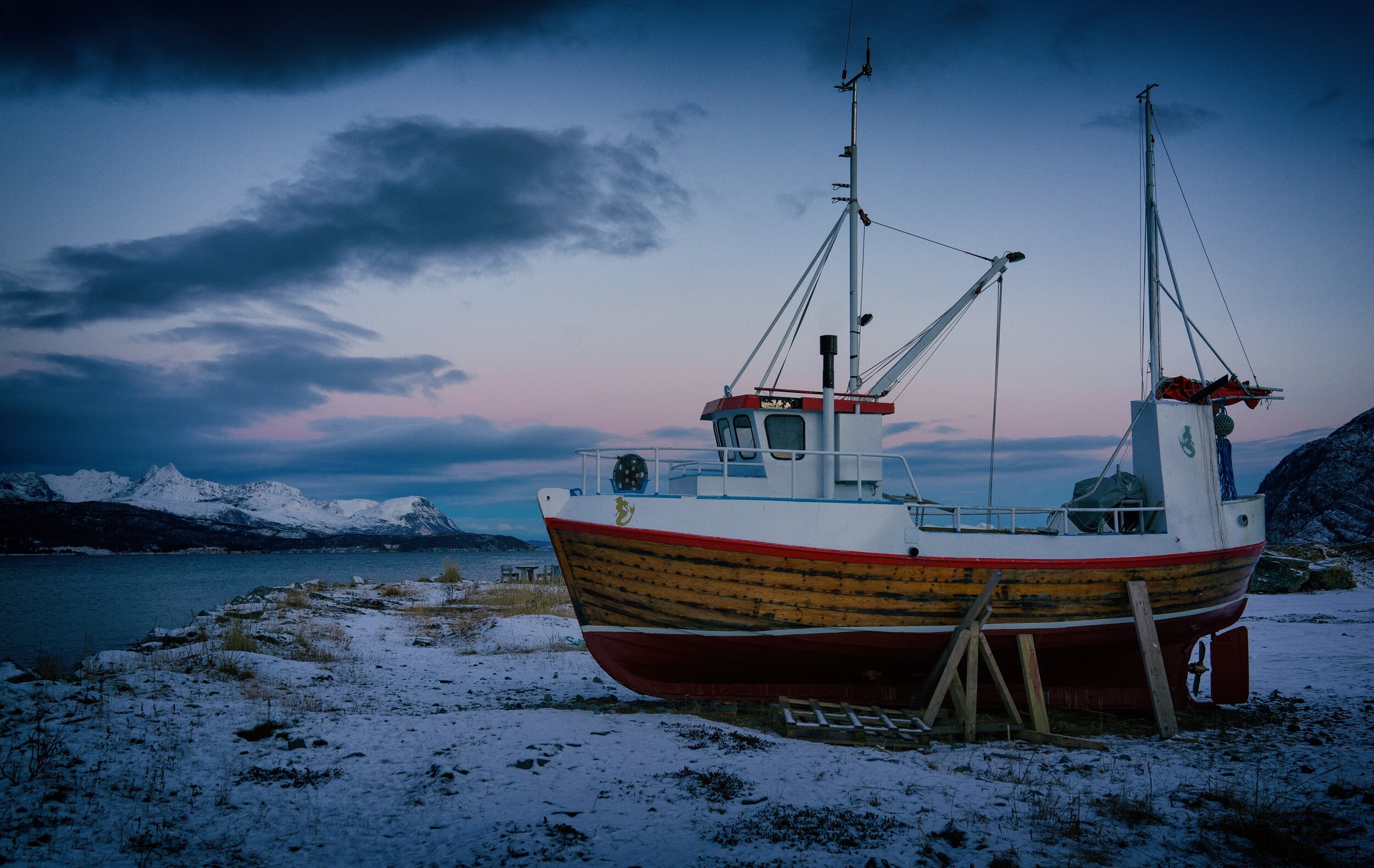
“I couldn’t help but feel as strange to them as an alien arrived on their snowy, Scandinavian planet: hungry, anxious, in search of connections. Now, like me, the two of them were also looking up with expectation.”
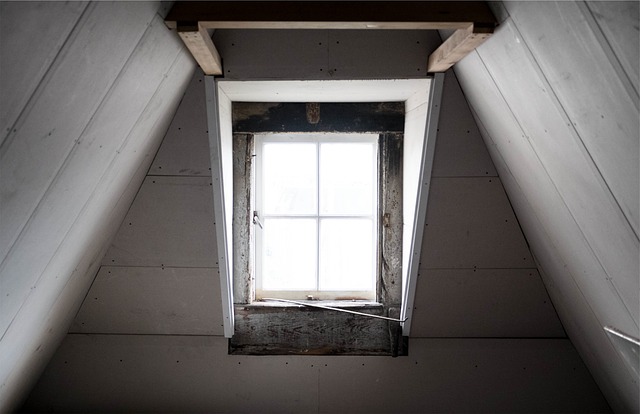
“Crouched in the attic, I read To Kill A Mockingbird, transported 4,200 miles from Scotland to Alabama.”
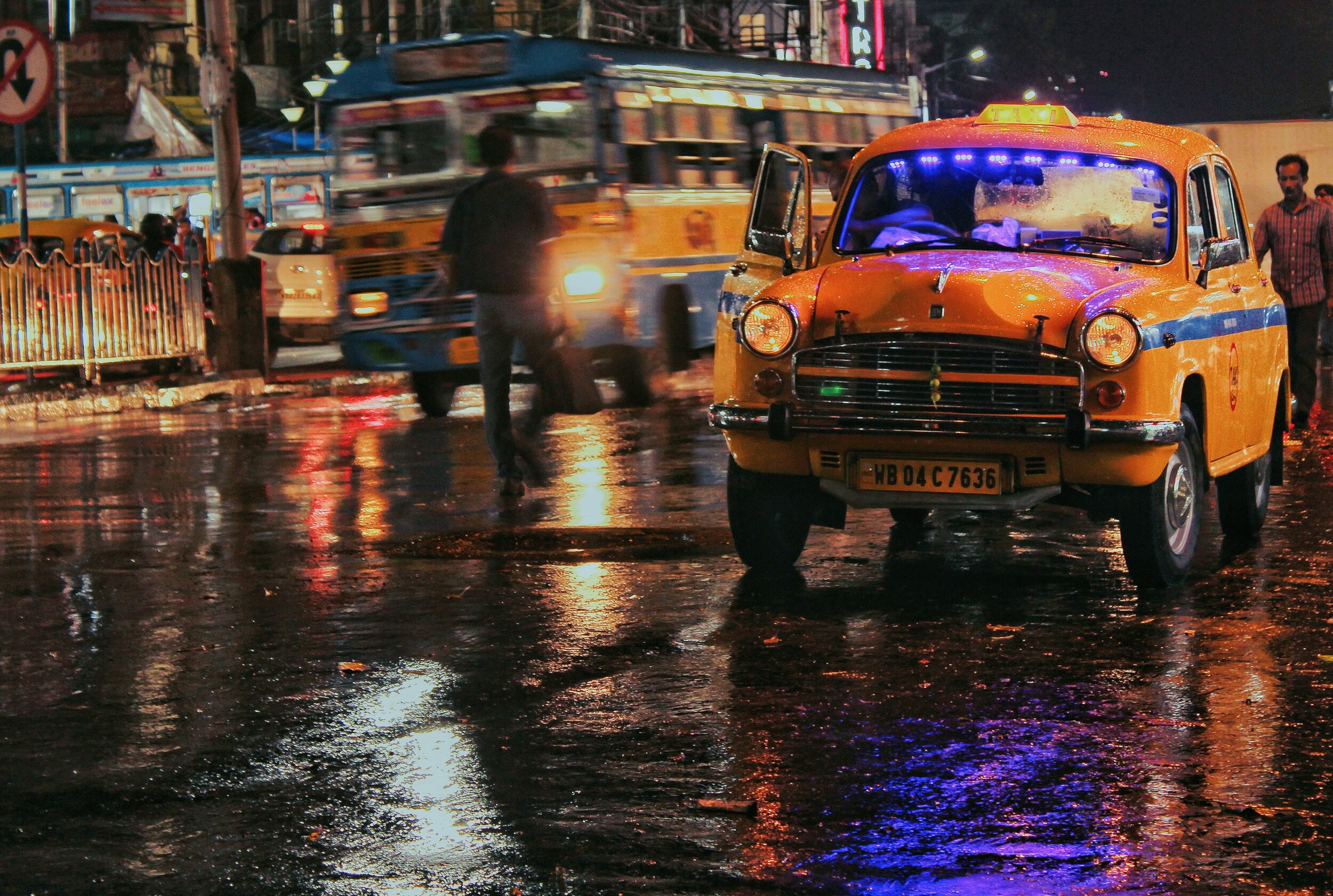
“I thought I was reading to take me back, in geography and in my own life. A way to revisit the teeming humanity on the train platform. The cardamom boiling in the milk for tea. The bitter smoke of morning air. A way to turn from the last page back to the first.”

“Doozy Miller’s margin notes held curious revelations, which only underscored how James unabashedly layers anti-American sentiment with chauvinism.”

“Barbara pursed her lips and said we would begin the harvest in a few days. I would stomp the grapes with my bare feet and purple my palms. We would make wine, for better or worse.”

“I wanted to climb toward the hugeness of the world and to cobble love together. I wanted to know exile, like Gilbert.”
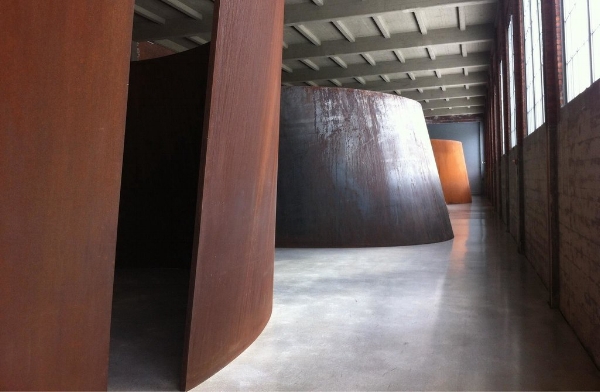
“At the center, the ellipse was a shelter, a hurricane’s eye, an intake of breath. I wanted to lay down there, to hold his hand, never to leave.”

“According to Jacaranda, the protagonist of Eve Babitz’s Sex and Rage, ‘California was the only conceivable place on earth to be.’”

“I was sure there were missing pages or I was misremembering the story of Dracula. I soon realized, though, that I wasn’t looking for an exquisitely crafted translation or even a new understanding of Dracula. Rather, I was reveling in the fact that one of my favorite stories had made its way to my favorite place in the world.”

“In Paris, all I saw were the seams, threadbare. A ghost’s shadows whipping around my ankles in every arrondissement.”

“After the killing was done, the deep silence of the desert returned, and I must have fallen back asleep quickly. When I awoke at sunrise, the whole thing seemed like a dream. I went to pee in the outhouse, and when I was done I ventured into the dawn-washed desert, looking for the kill site, for any evidence of what I had heard.”
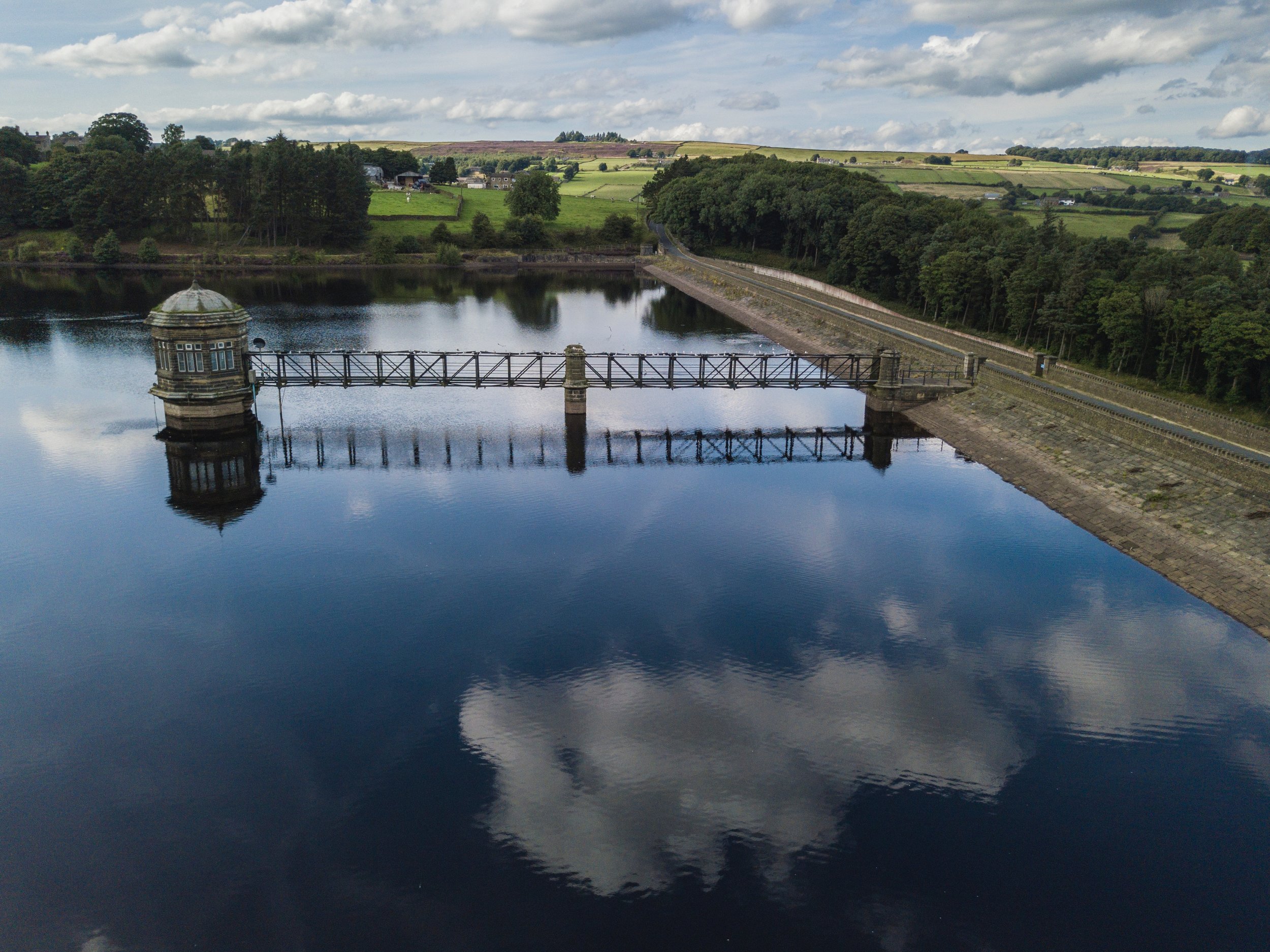
“The town of Haworth looks more or less like it has for the past several hundred years, which is to say, like a fairy tale town.”
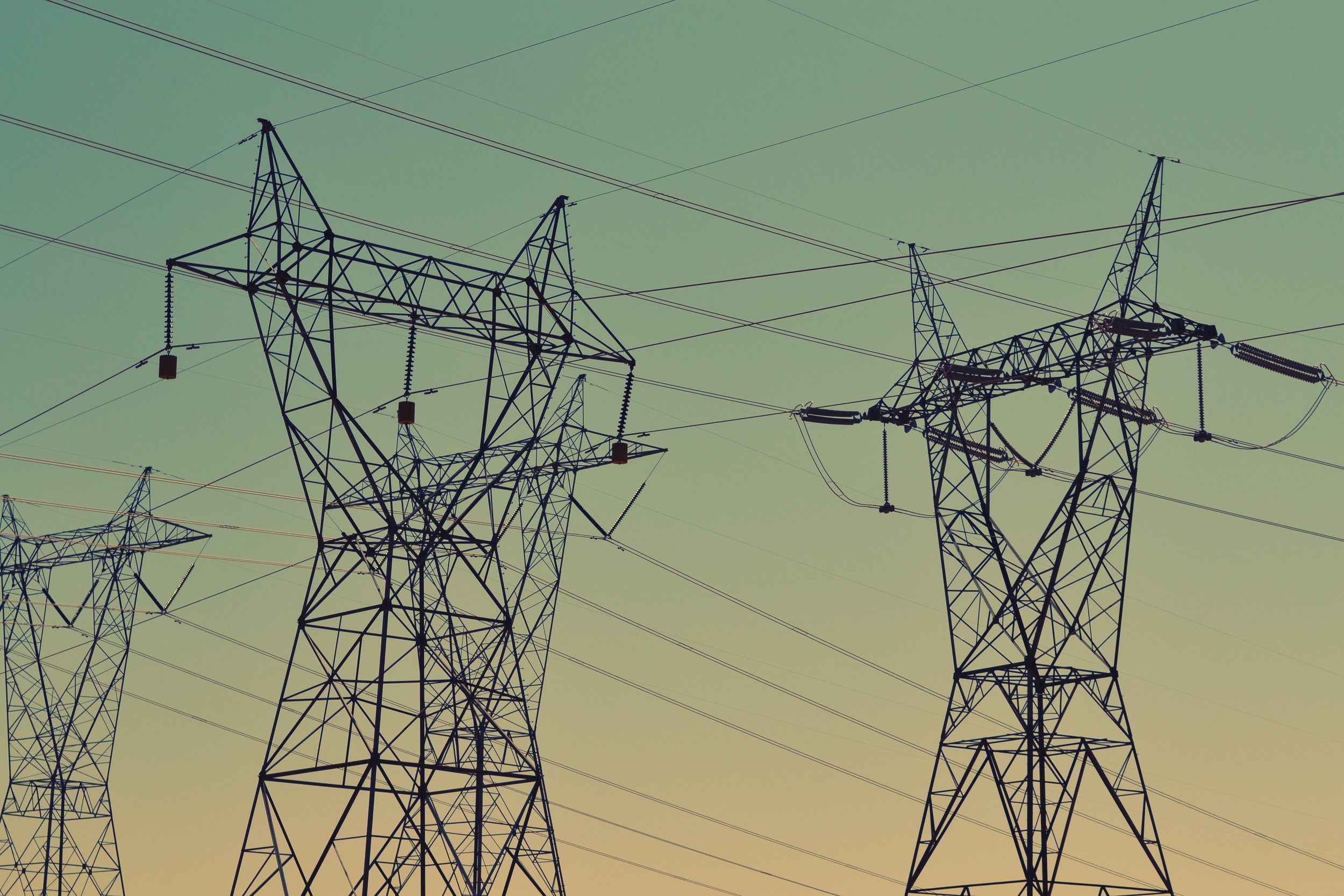
The whole park is like this: lake and sky, gloom and glass. Time itself passes according to its own rules: the sun rises and sets, shadows spin like sundials, years go by in seconds, tree leaves curl up and fall.
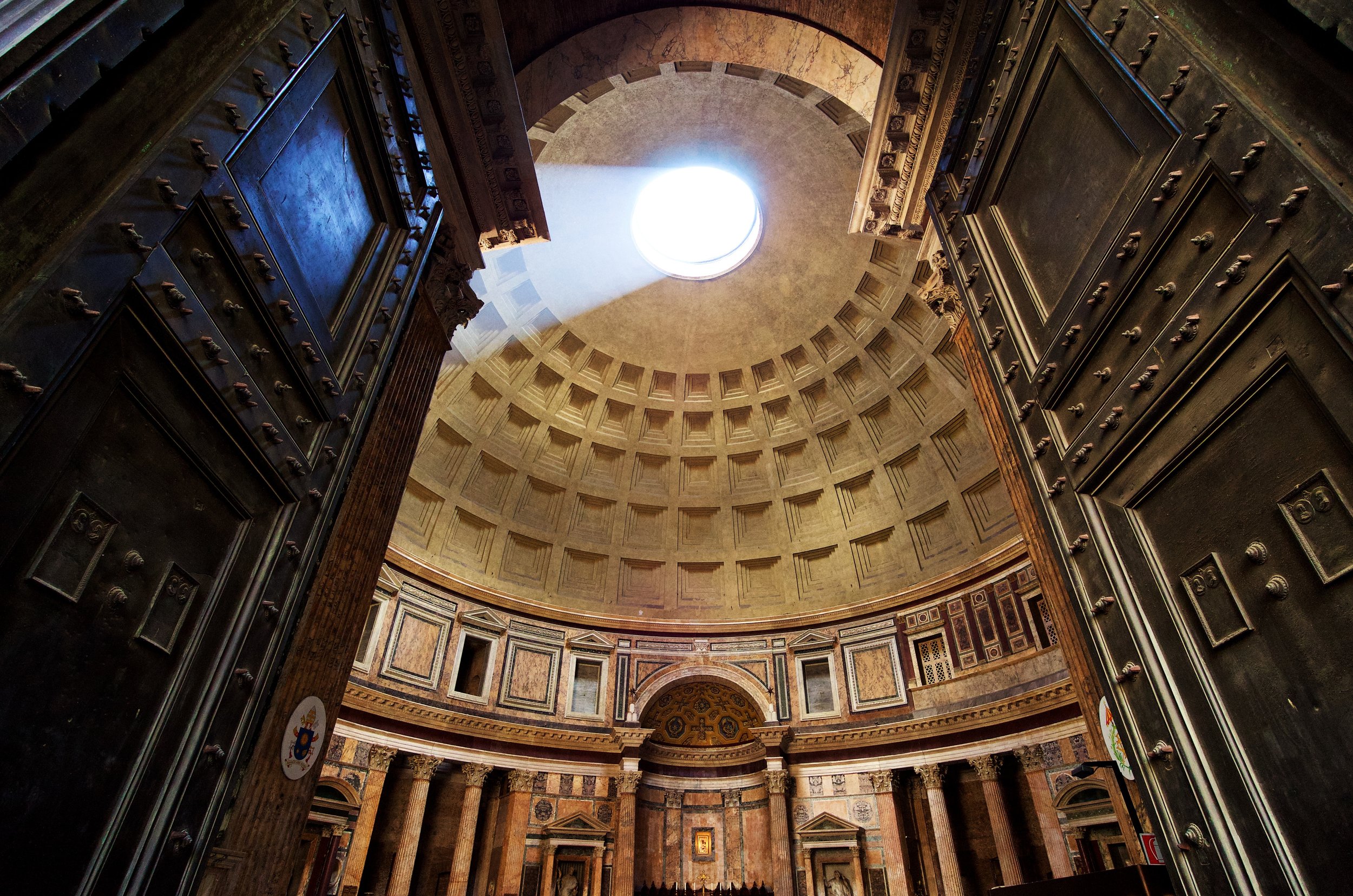
“The historian is like Merlin, living backwards from the future, knowing what the world is, but having to infer why. As we peer into the past, the view grows less distinct, until it vanishes in a fog.”
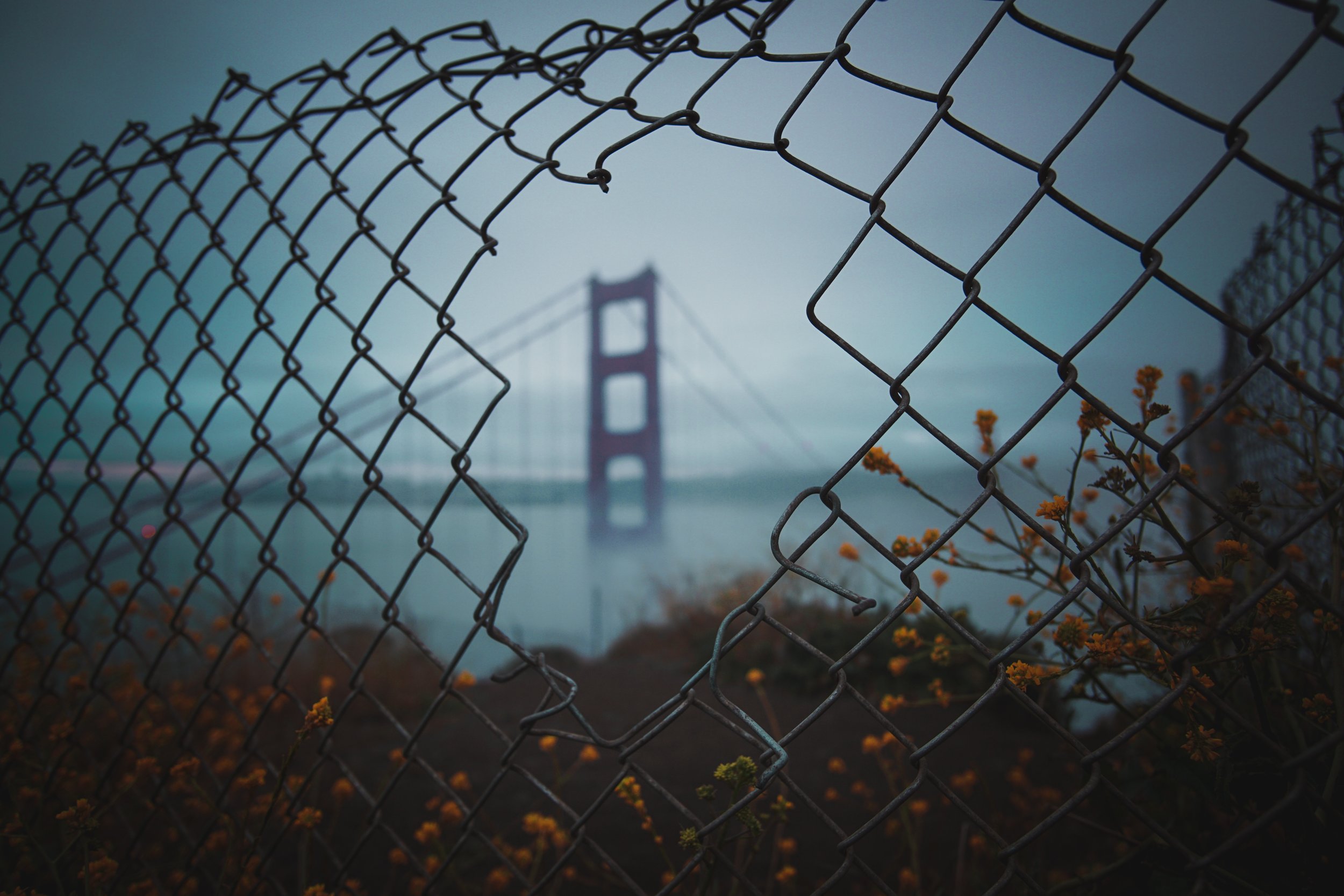
“While much of the media was focused on the Summer of Love, Didion focused on the darker side. The country was not in open revolt, but there was a brewing discontent.”
Witching Hour
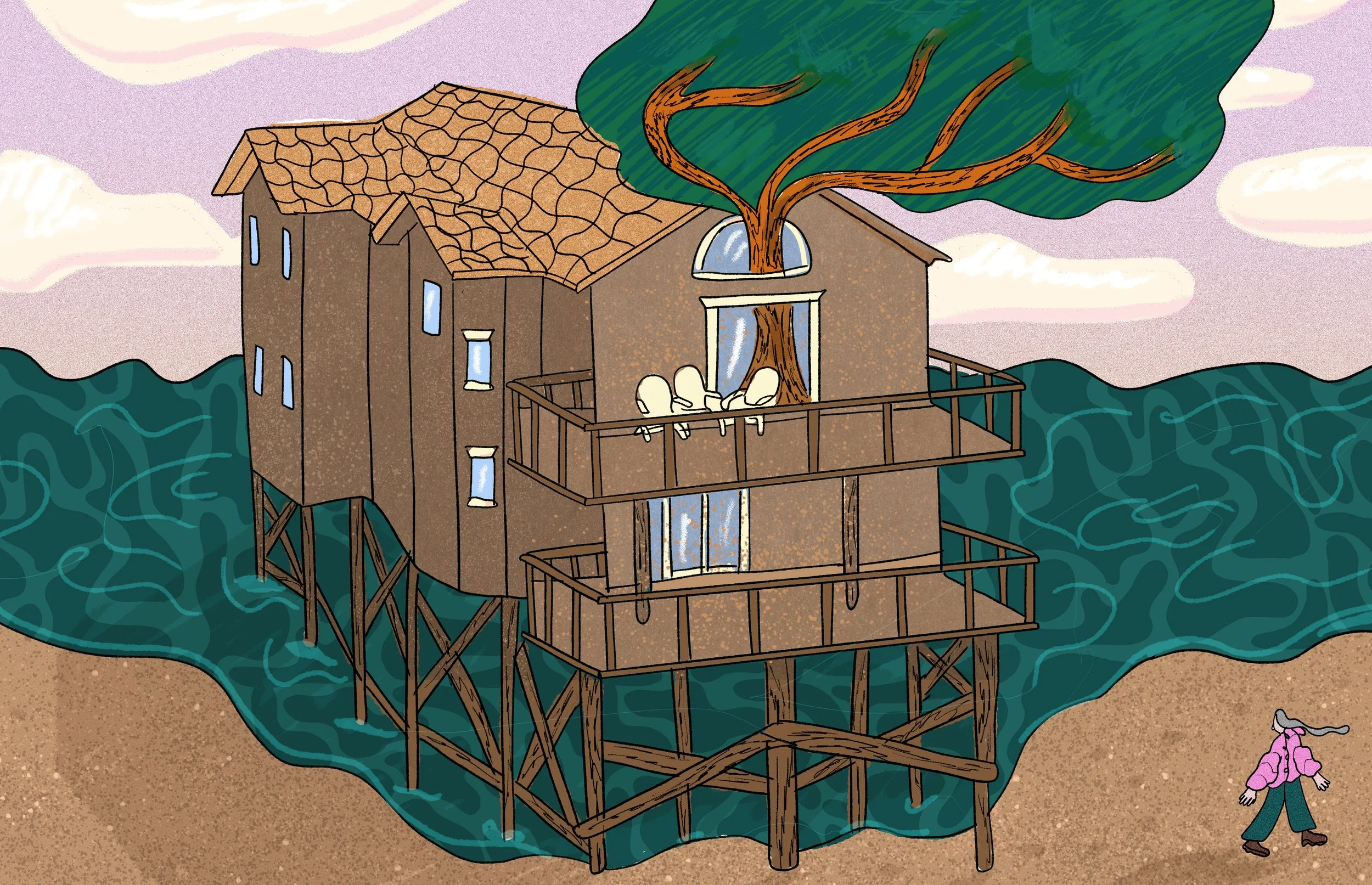
“Dusk in Rodanthe comes pink and bleak. I’m alone in the wind as the “feels like” temperature drops to 21 degrees. Beyond me: the ocean stretched wide and flat as a picnic blanket. Above me: clouds, thin and threadbare, painted with late sun. There are no wild horses here (that’s Corolla you’re thinking of, 60 miles north), and no Richard Gere.”
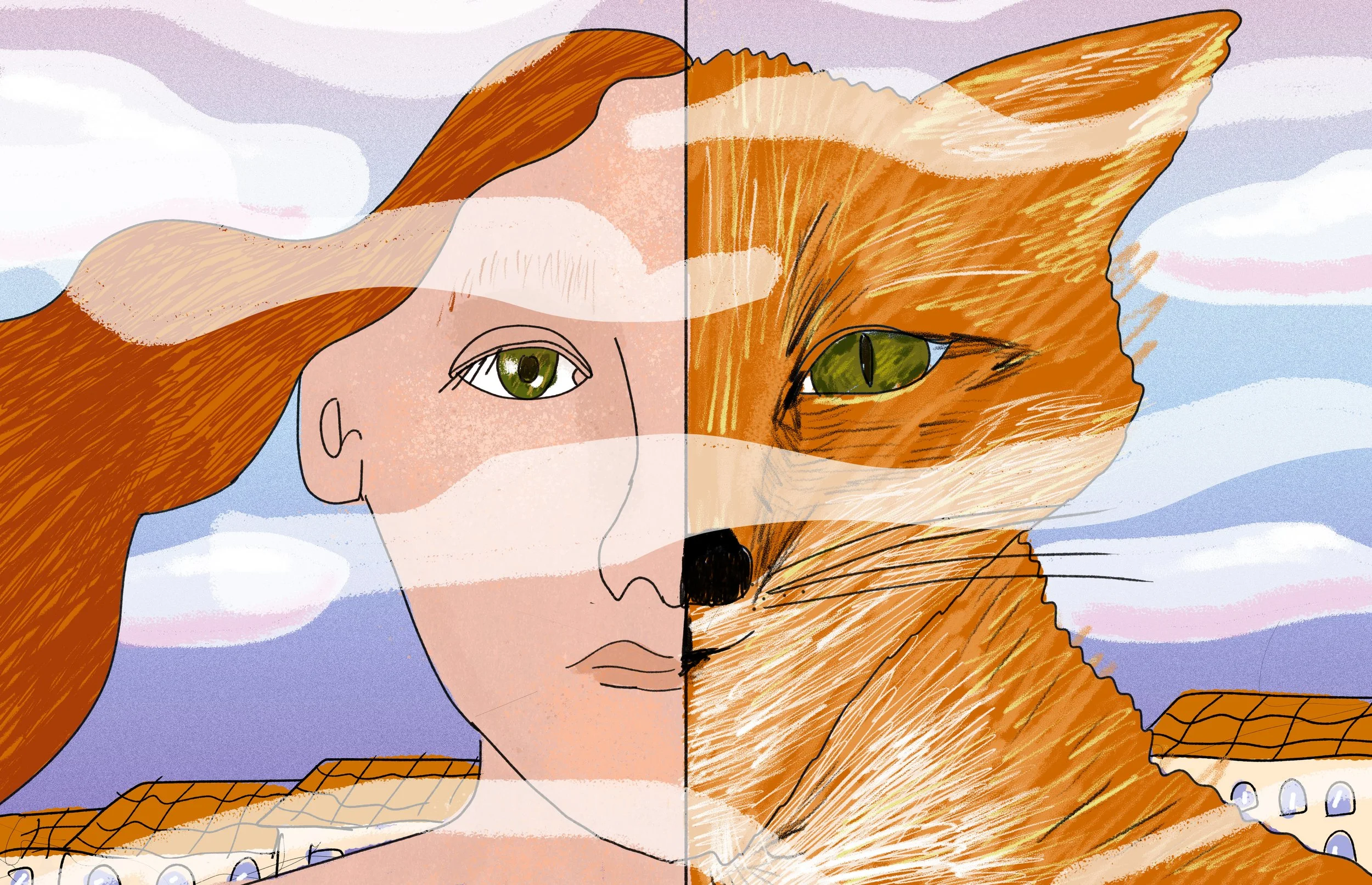
“5 p.m. is the hour when my baby fights sleep. The river at low tide smells of shellfish and mud. The city quiets as people get home. The odor of stir fries in hot oil and ovens crisping sausage rolls slips through windows into the courtyard. Beyond the buildings, the ferry claxon echoes over the water. The minutes stretch, grow infinite. The last sun glints off a stairway clinging to a block of flats.”
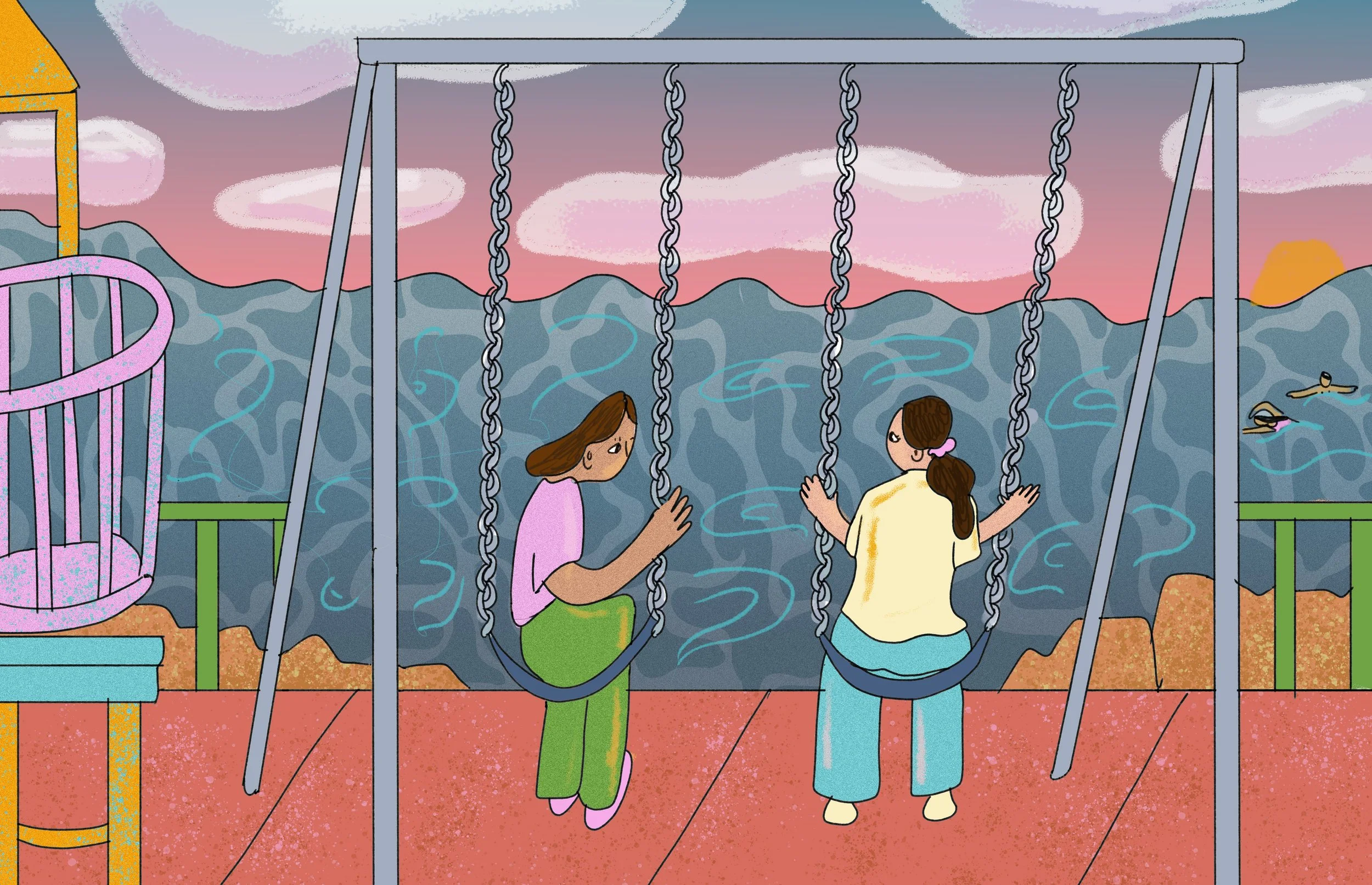
“8:42 p.m. in Ayvalık is the untamed grass of the playground, a faint Serdar Ortaç remix playing from the beach club bar, Turkish oldies wailing from the road-end restaurant, and the sea sifting into a regal gray, still and silent.”
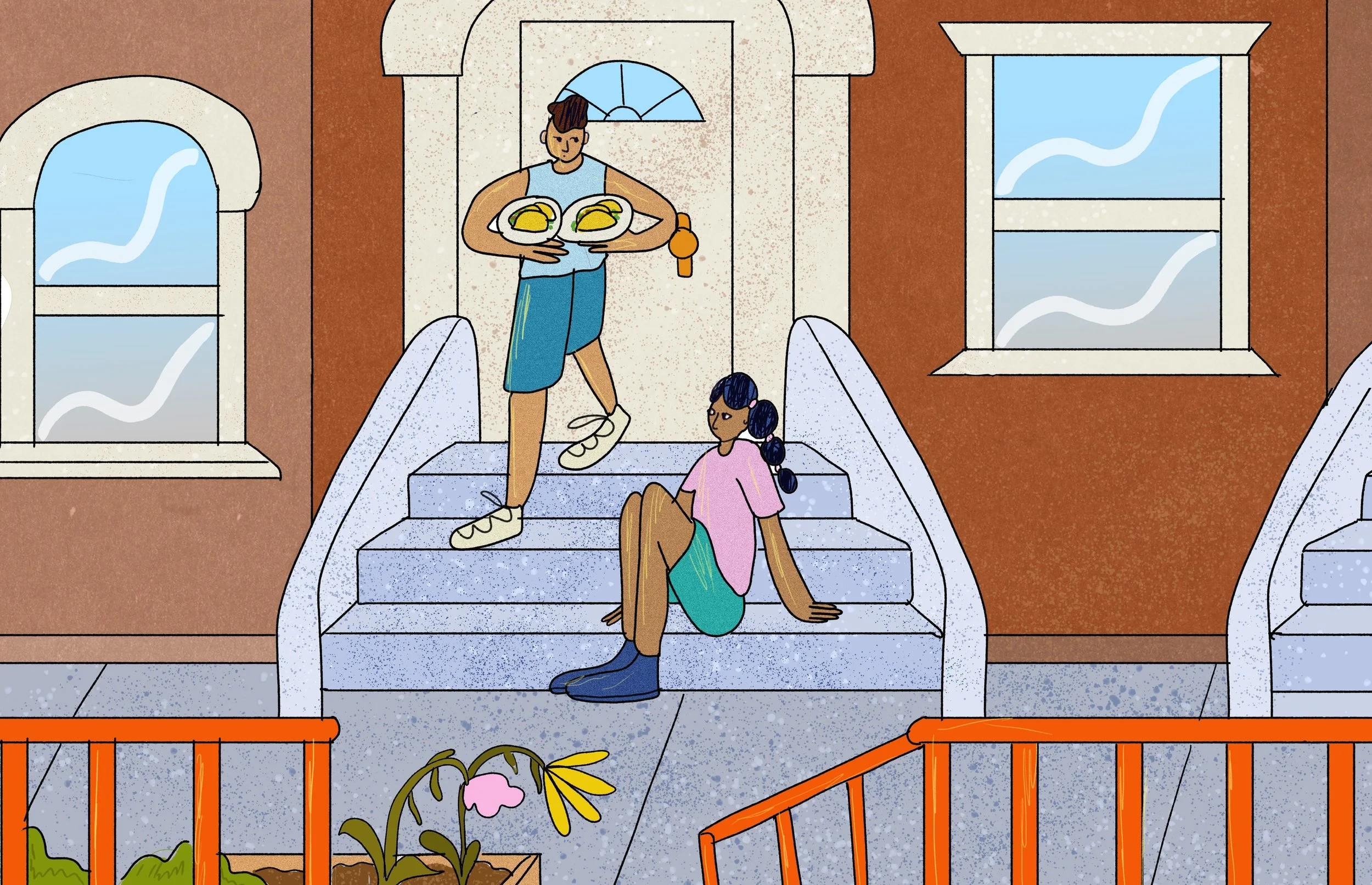
“7:40 p.m. in the Bronx is steak tacos on the stoop, a reprieve from August’s oppressive heat found in open hydrants and open beers, and the last of my things hidden under a blue tarp in the back seat of my car.”
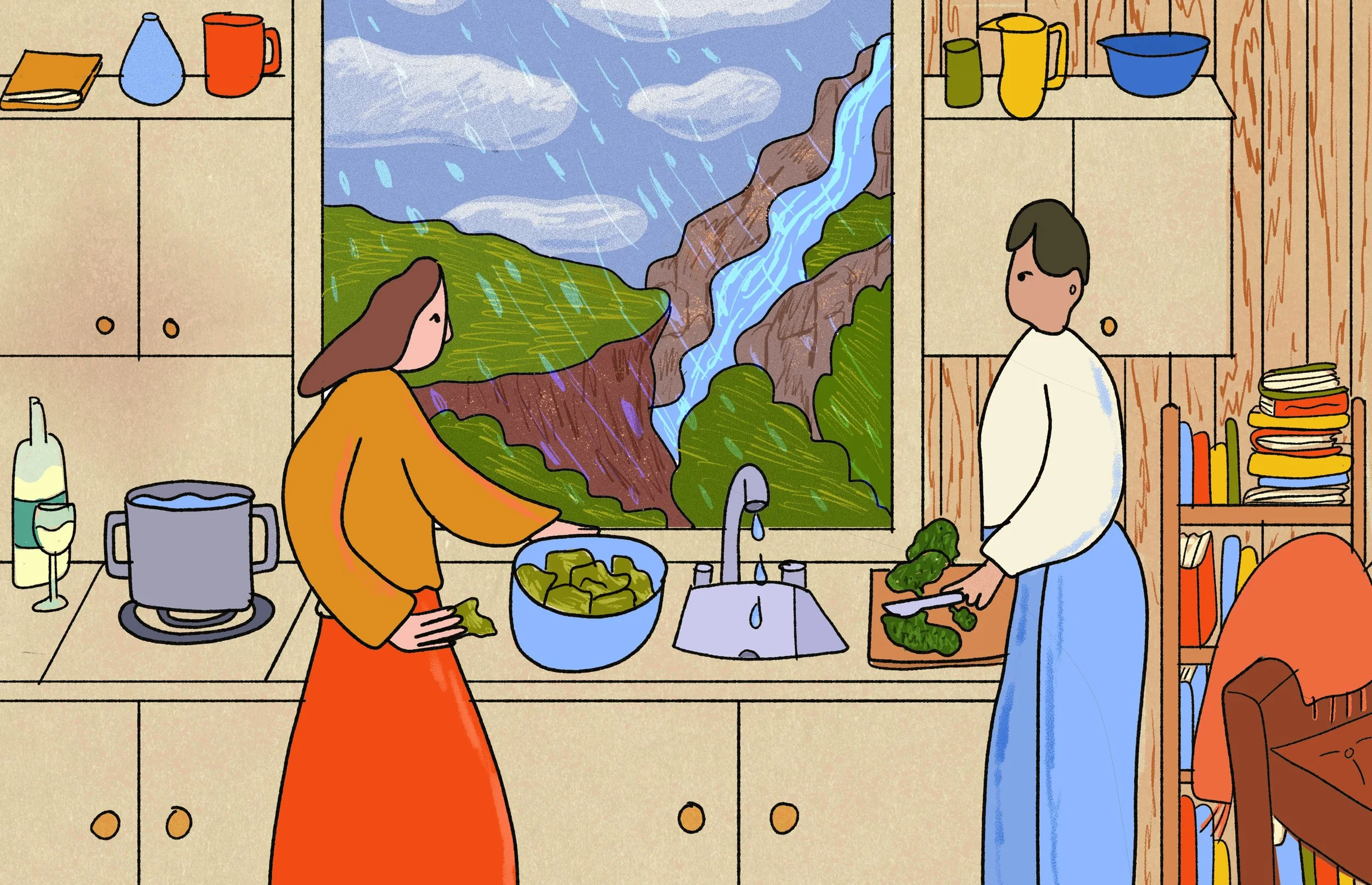
“5:51 p.m. in Svalbarðseyri is the smell of sheep dung wafting in the louvered window of our rented tiny house with a fjord view and a two-burner cooktop.”
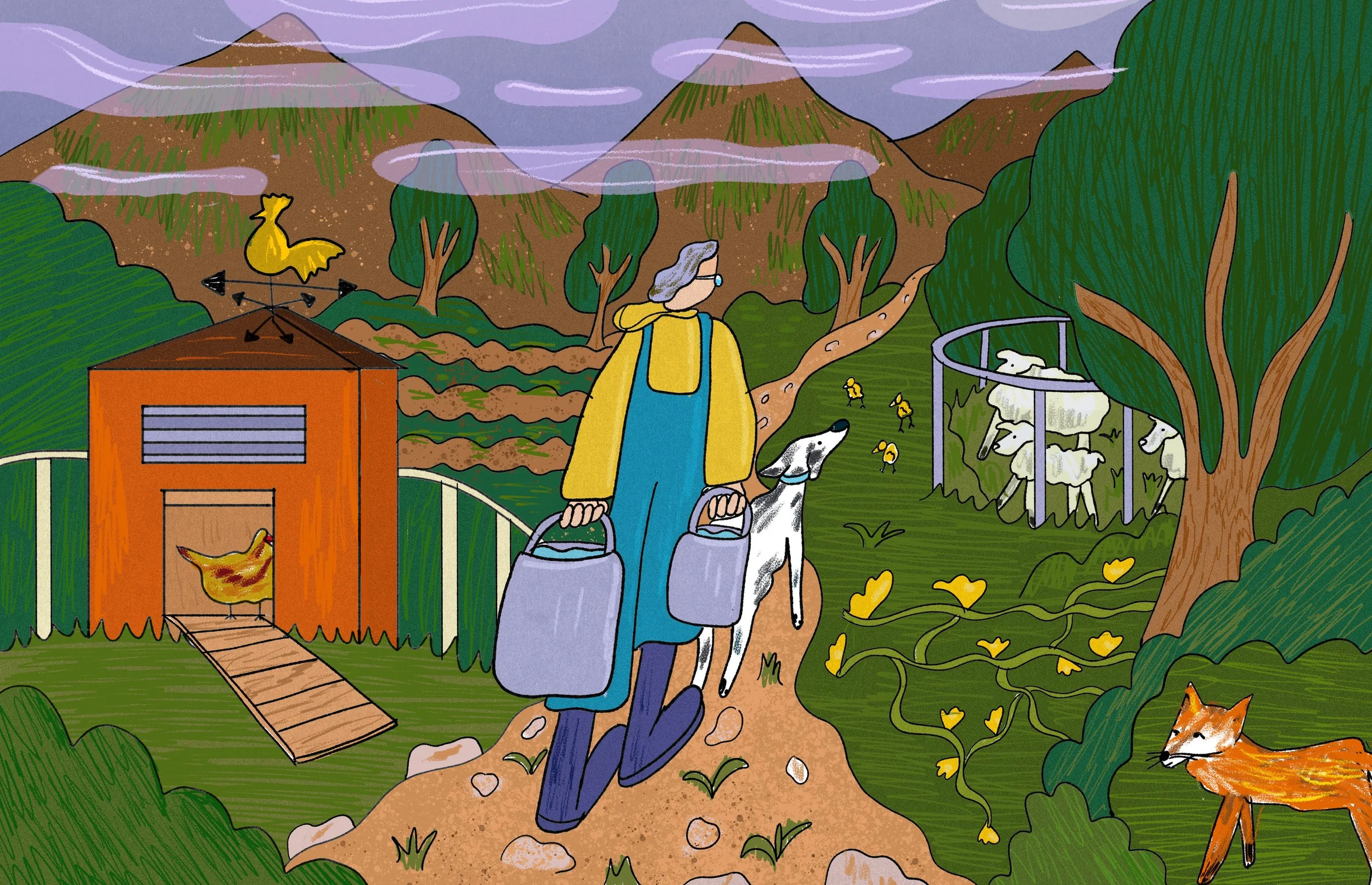
“5:00 a.m. on a Vermont hill farm is not early. The rooster’s been crowing a good hour already.”
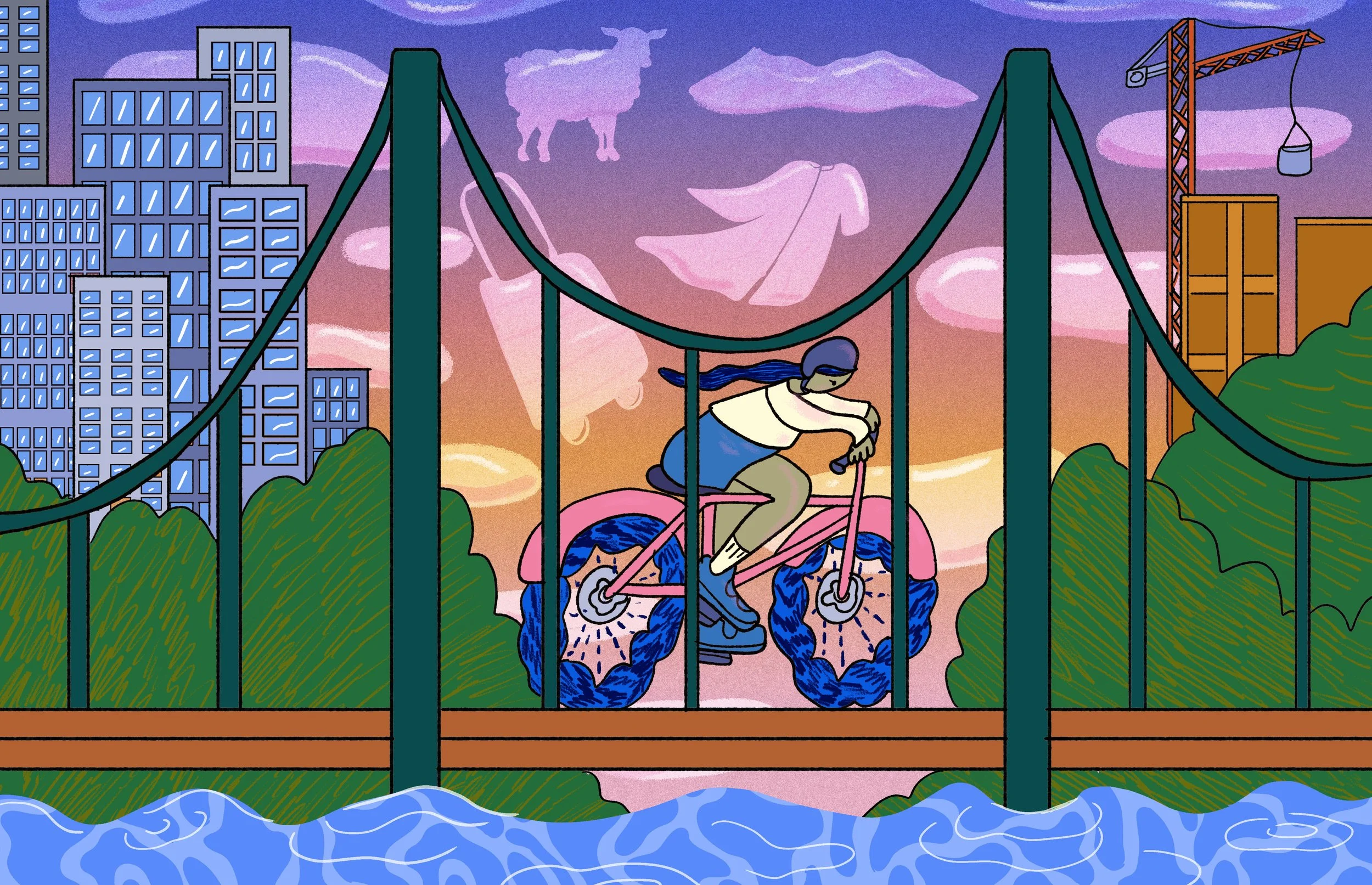
“6:12 a.m. at the bridge in Shenzhen was composed—completely—of clouds.”
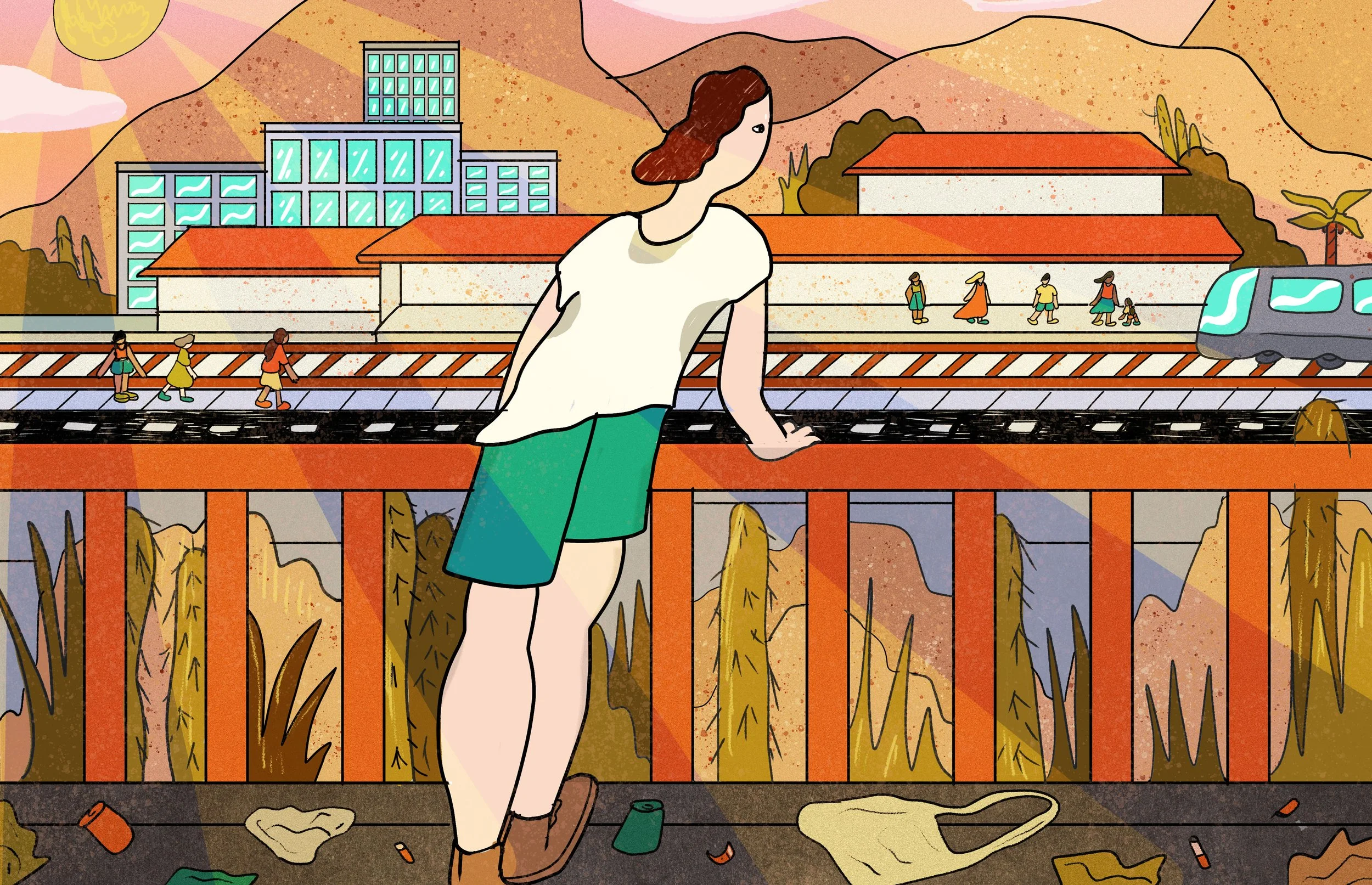
“7:24 p.m. in Tucson is a liquid heat mirage melting from downtown building windows, pouring over the asphalt below. Though it is evening, the sun holds steady and stubborn in the sky.”

“Midnight in Newbury is wet pavement and hungry coyotes and tired oak trees. It’s black houses with tucked-in children, waxed SUVs parked in driveways, persnickety landscapes of rose bushes and palm trees and fleshy succulents. There’s one main street that runs straight through, a spine of asphalt that leads to the beach or inland to the mountains, a stretch of road as quiet as the milky way at midnight. “

“7 p.m. in L’Escala is the exact right time for a pre-dinner vermut, a bowl of Marcona almonds, and a seat that faces the Gulf of Roses. It is July, and the sun hangs high and hot. After a month of sharing a flat with two of my best girlfriends and their young sons, I am alone. In the fresh quiet, everything slows, and I look out over Port d’en Perris from my spot on the balcony, watching teens and pre-teens lounge and climb across the promontory.”

“6:45 a.m. in San Miguel de Allende is preciously still. From my balcony in Los Frailes, the high desert looks like it’s just woken up, too. The presa—our neighborhood reservoir—still wears the blur of sleep, its edges swollen from the rainy season.”

“8:20 p.m. in Upstate New York is an ambrosian sky over sweeping green fields punctuated by trailer parks and white-boarded homes. I’m on a walk to clear my head when I hear a large horn behind me. I’m not used to seeing my dad behind the wheel of a huge truck anymore, on his way to work the fields. Especially at 77. Especially nearing a purpling sundown, trying to beat the dark”

“10 a.m. is opening time at the Bass Harbor Memorial Library, which isn’t in Bass Harbor, but across the water in Bernard, where, over a century ago, a woman made her books available to the public, effectively turning her living room into a library. “

“6:50 a.m. in Phinney Ridge is when I study the softness of sidewalks. If Texas—my previous home—were an encompassing ray of gold, the sun fatigued from shouldering the summer heat, Washington is steeped in indigo, its murk testing the tenderness in my bones. The winter isn’t dark, the neighbors say, it’s cozy.”

“9:15 p.m. in Pensacola, Florida is inescapable pink. It’s a strange, bright shadow, a sheen of flamingo and taffy across our skin and eyes. We walk through the spray of a busted fire hydrant, past squat palm trees and old houses, stucco and cinder block, painted pastel oranges and blues. The driveways are lined with monkey grass, alive and wild beside the half-dead front yards. Everything is slow, so desperately slow. A soft salt wind slides through the choking heat, a whisper of the Gulf shore, one mile away. I breathe it all in. My dog, Nollie, shakes off the hydrant water. His metal chain clangs against the wet concrete.”

“1 a.m. in Los Angeles is the Santa Ana winds whipping hot and violent through the rain-starved city. Katabatic, they gust rapidly downslope from the mountains through the valleys, bringing with them the threat of fire. The name comes from the Ancient Greek word katábasis, meaning a journey into the underworld, the realm of the dead. On this night, the Santa Anas have ignited two out-of-control wildfires, squalls of embers bookending LA.”
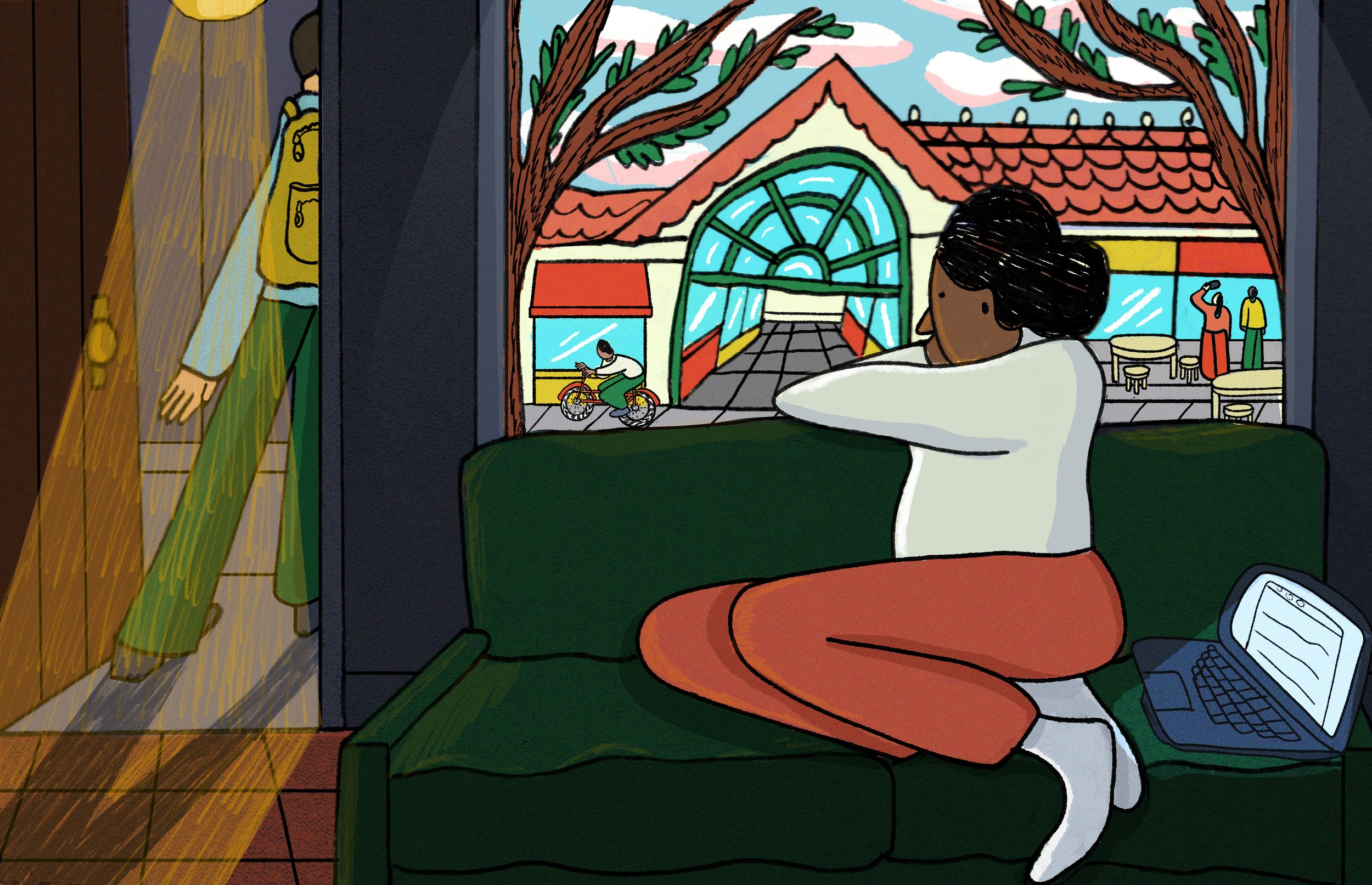
“8 a.m. in Clementi, Singapore is the heady rush and clatter of breakfast at the hawker center across the street from our public housing. It’s when office crowds wait in snaking queues for takeout (or as the locals say, da bao) lunch in flame-red polythene bags and sip sweet tea (teh) from throwaway containers before rushing off to downtown offices. I watch them from the kitchen window with quiet longing some days. These office-goers like my husband ride the thrill of rush and routine, flowing through the city’s arteries like mercury.”
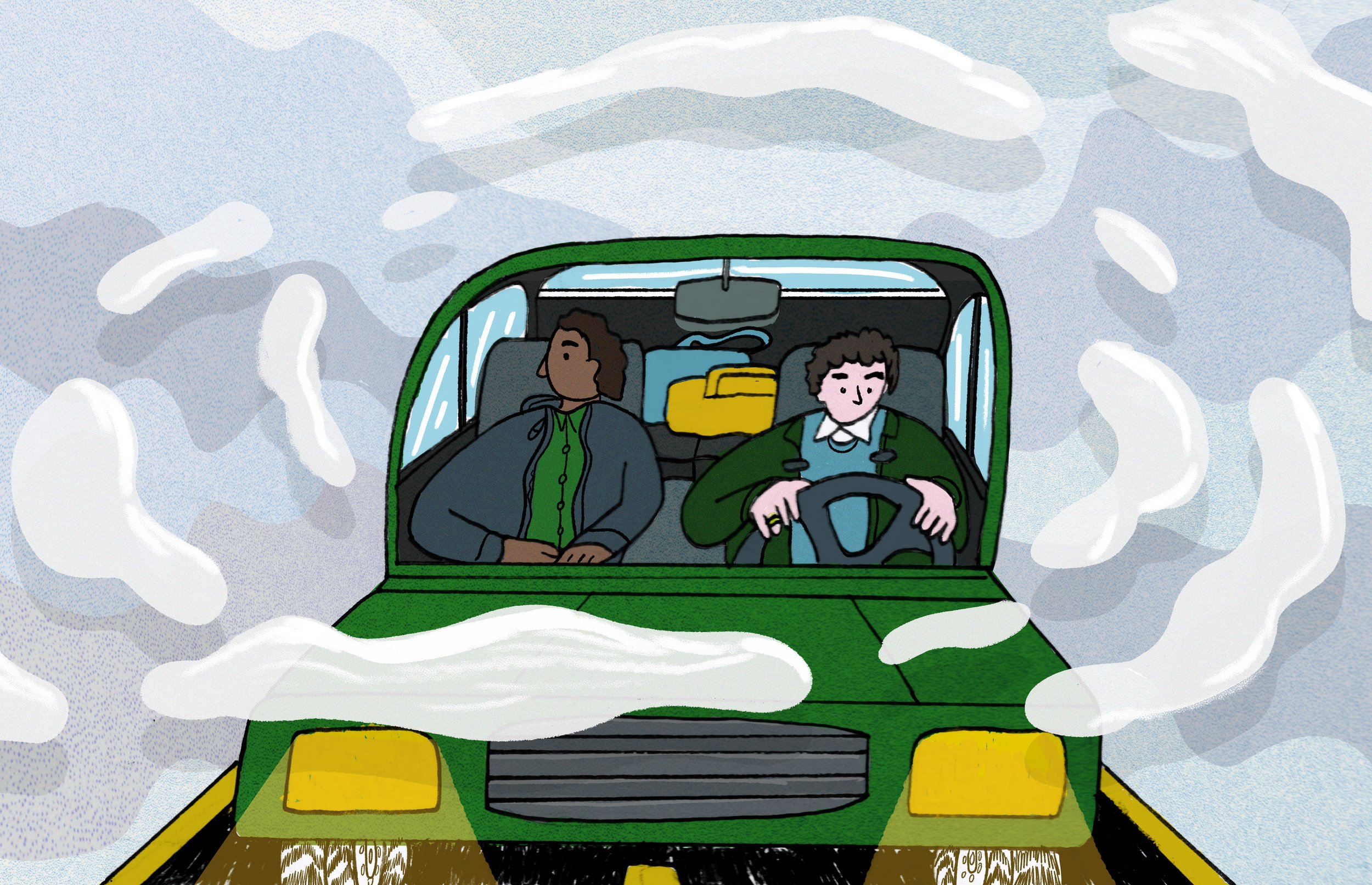
“4 a.m. in rural Alberta is quieter than it should be. I should hear the night sound of crickets, or maybe the wind in the brittle grass, but the fog has eaten anything that makes noise.”
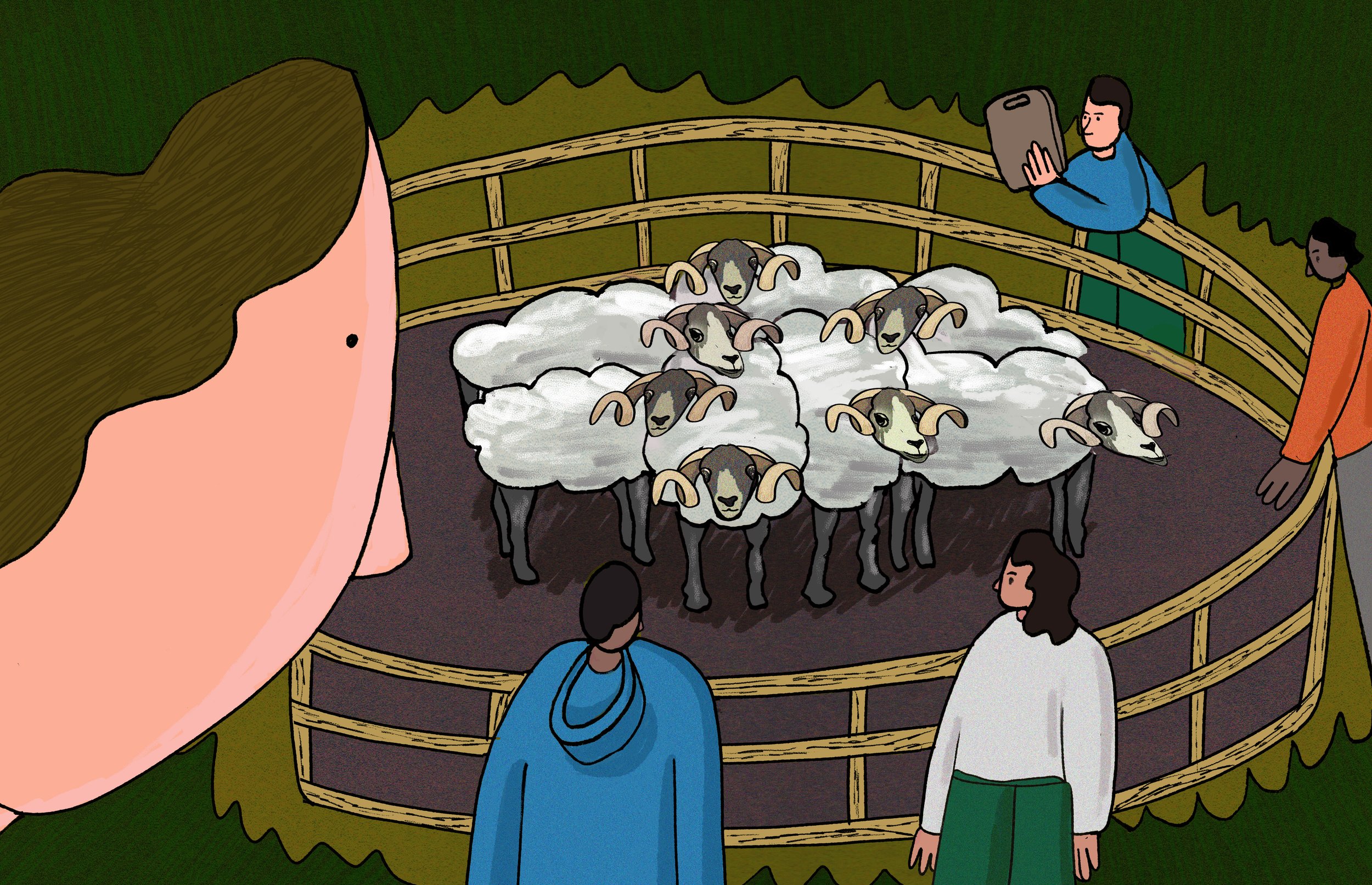
“7 a.m. in Kelso is the smell of disinfectant and hay. It's bacon and egg sandwiches from tiny food trucks. It’s the animal heat rising soft from pens inside huge canvas tents.”
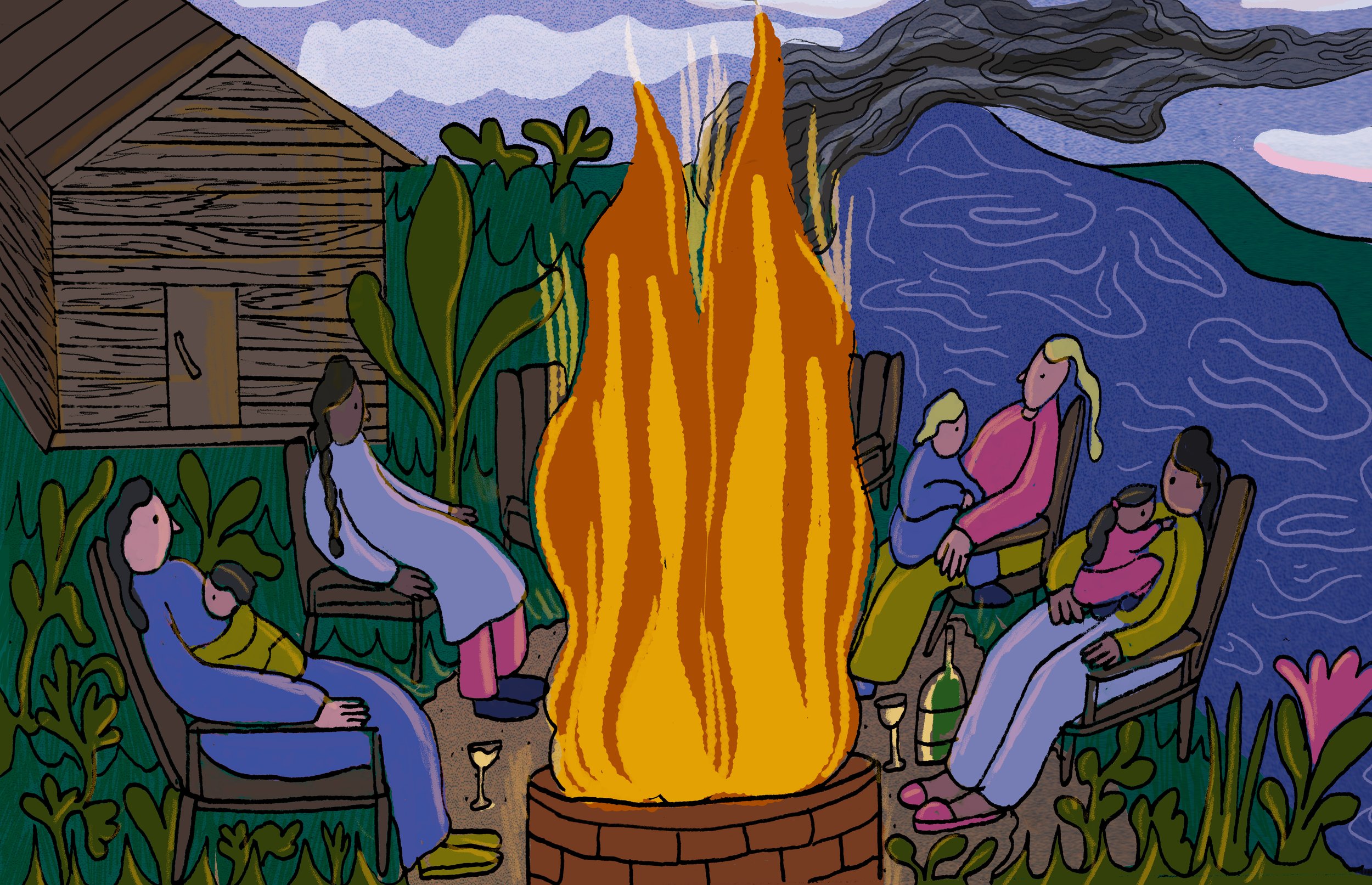
“11:45 p.m. in Oulu is when the women begin to find the children dropping to sleep amidst the moss and meadowsweet, traces of soot around their mouths from the makkara they grilled on metal prongs over the firepit earlier. The men and older boys are in the gelid Oulu River, cooling off between bouts in the sauna, their bodies unseeable but the murmur of their voices drifting up from the water.”
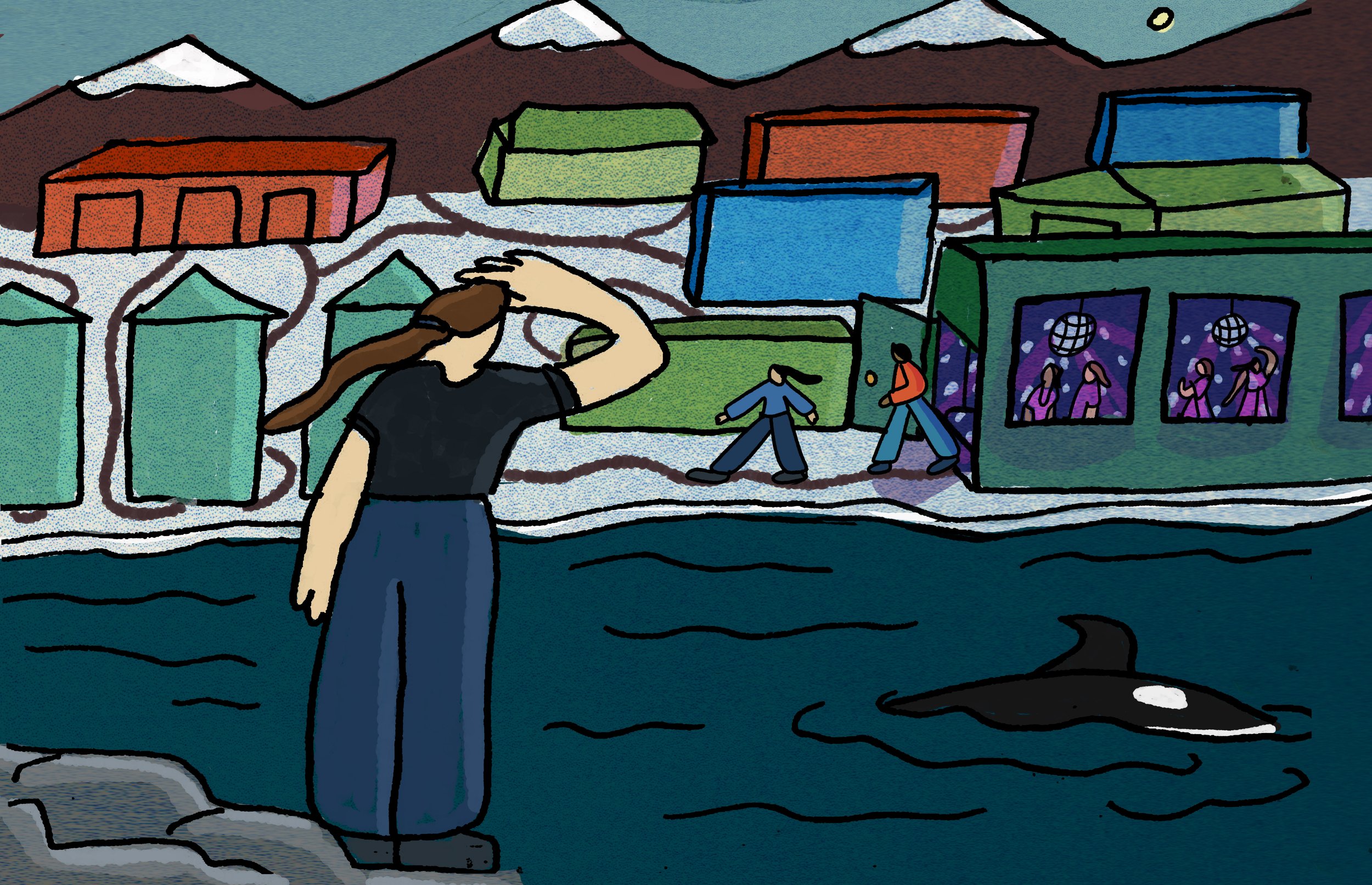
“2:30 a.m. in McMurdo Station is when your body can’t dance anymore. A friend calls to you from across the writhing crowd, his voice echolocating through pumping limbs. You want to stay but your back is stiff and your joints ache. This is your third deployment to Antarctica, and for months you’ve been working sixty hours a week hunched over a computer manifesting flights. You’re exhausted, not solely from the job. You’re the third generation in your family to work in Antarctica, and sometimes you wonder if you chose this or if it chose you. You’re tempted to keep returning no matter how it wears on your body, on your soul.”
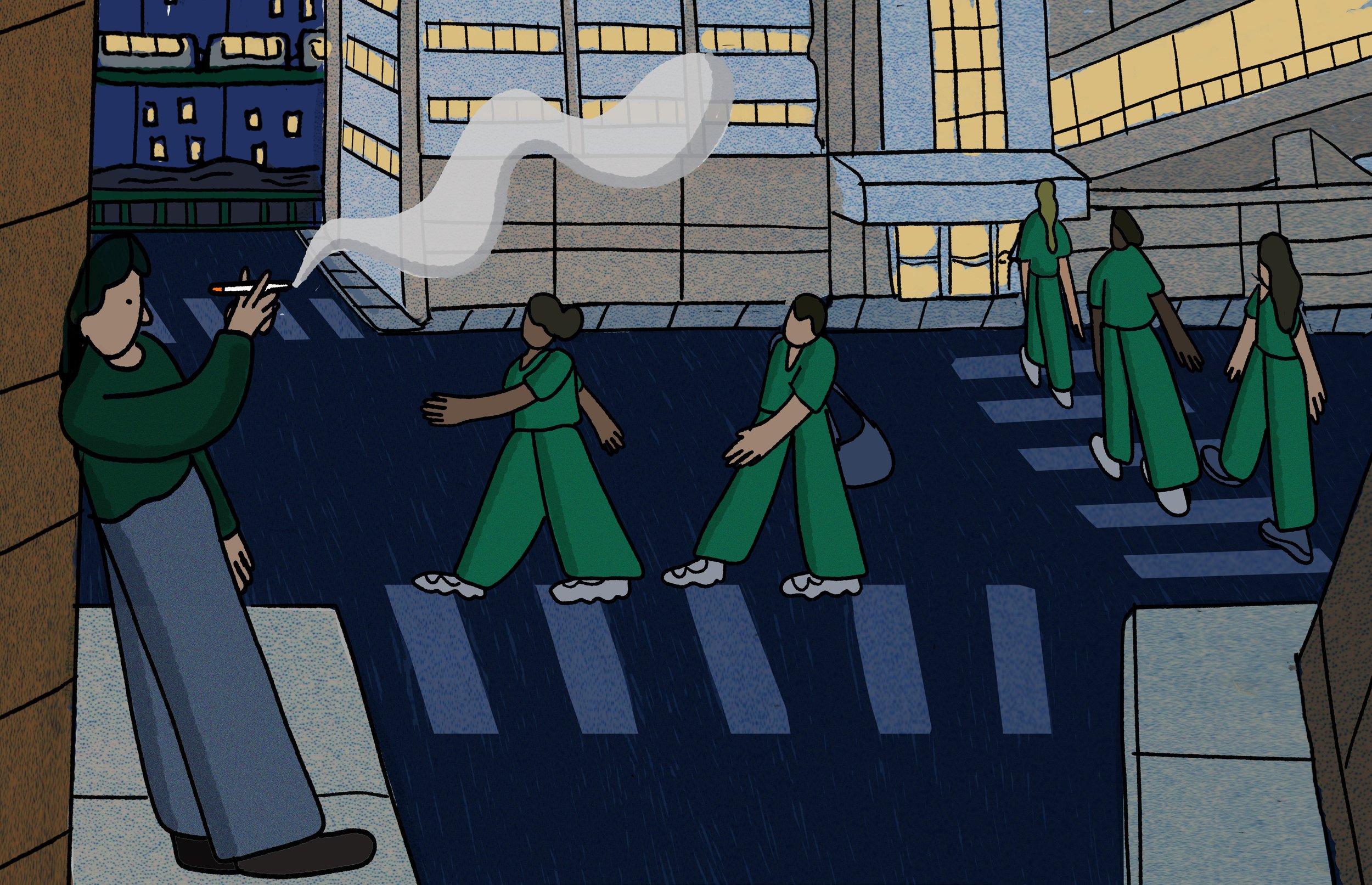
"5 a.m. in Sapperton belongs to hospital workers and insomniacs, all of us alone. I am the latter on a curb, one of many on the corner, sticking like burrs to the corduroy shell of this sleepy nowhere. I lean against my trembling apartment building that threatens to sink into the earth whenever a train screams by. This rain-soaked slice of town is wedged between the hospital where I drew my first shuddering breath and the freight tracks where someone surrendered theirs just two weeks ago."
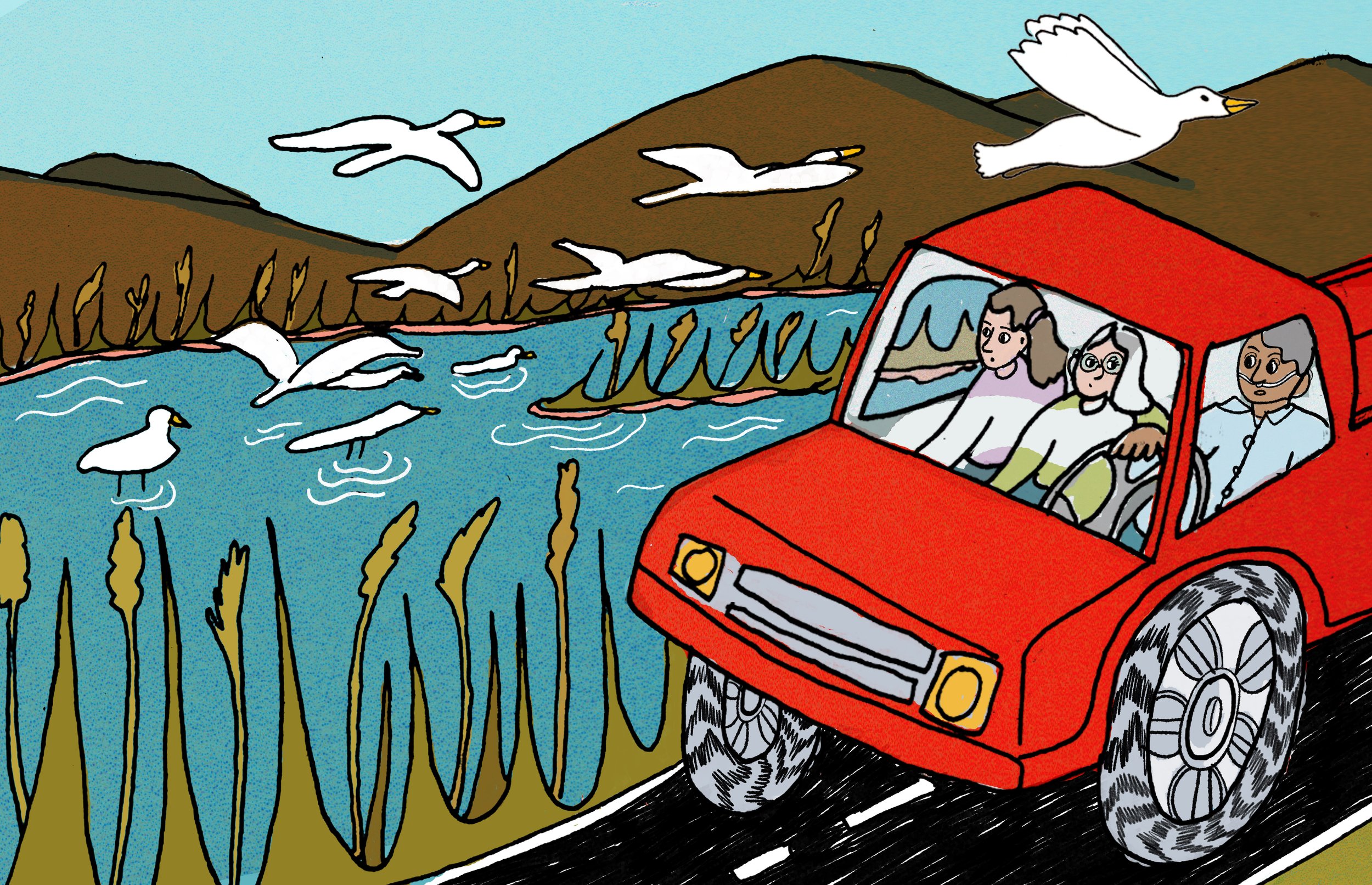
"10:30 a.m. in Choteau, Montana is the best time to look for snow geese in the barley fields. That’s what Dave says. He picks us up in his old Chevy truck, the one with 375k miles and a “check engine” light that’s been glowing on the dash for over a decade. Dave is eighty-four now—a nasal tube looped beneath his trucker hat, a portable oxygen concentrator humming in the front seat—but the way my grandma looks at him, you’d think they were both nineteen."
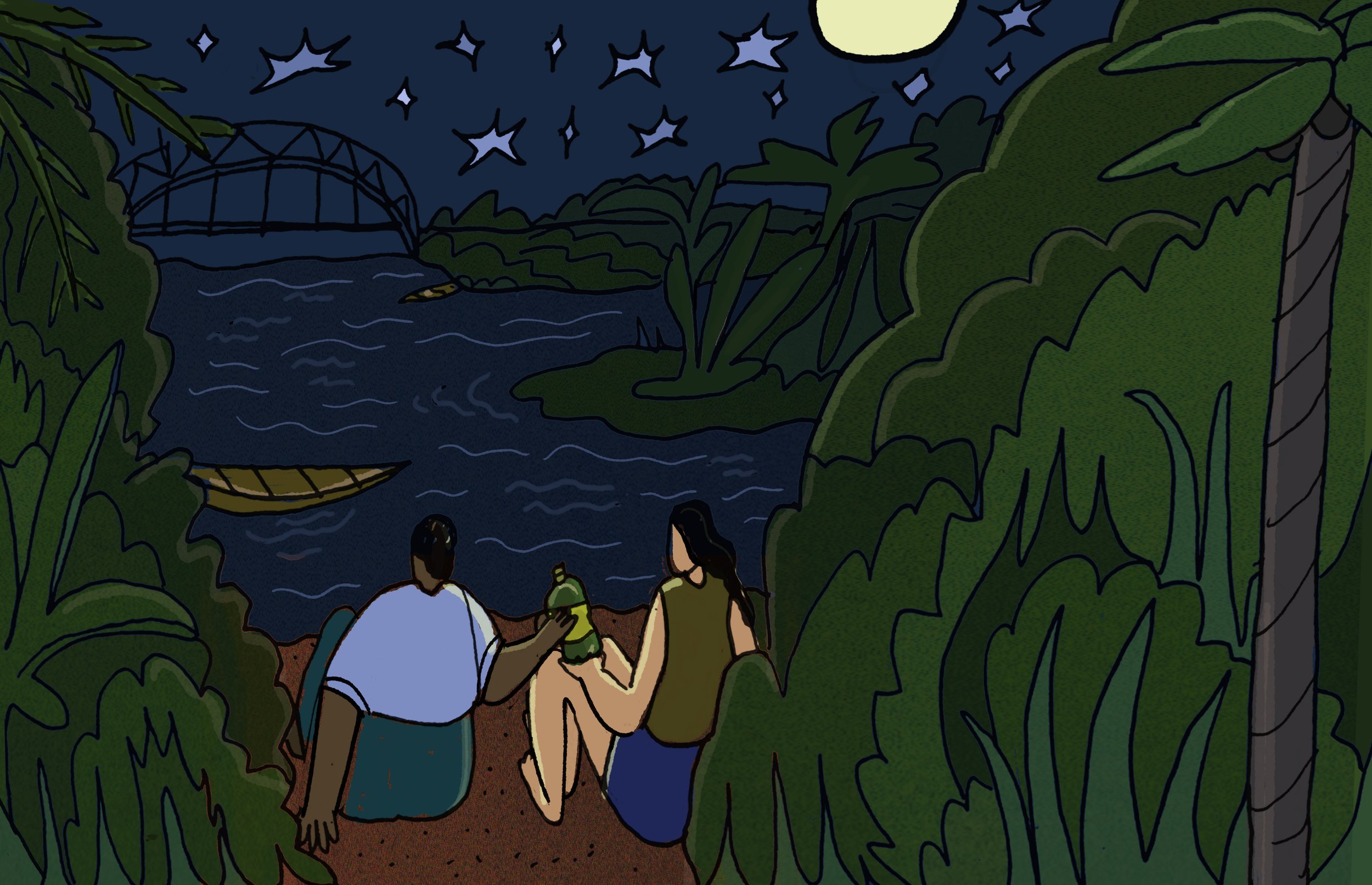
"Midnight on the Volta River is a shock of sensations under a star-pricked sky. To get here, you spent the day on long, fume-choked roads stretching northwards out of Accra, where the interminable traffic was interrupted only by basket-toting street sellers or the occasional bad-tempered baboon."
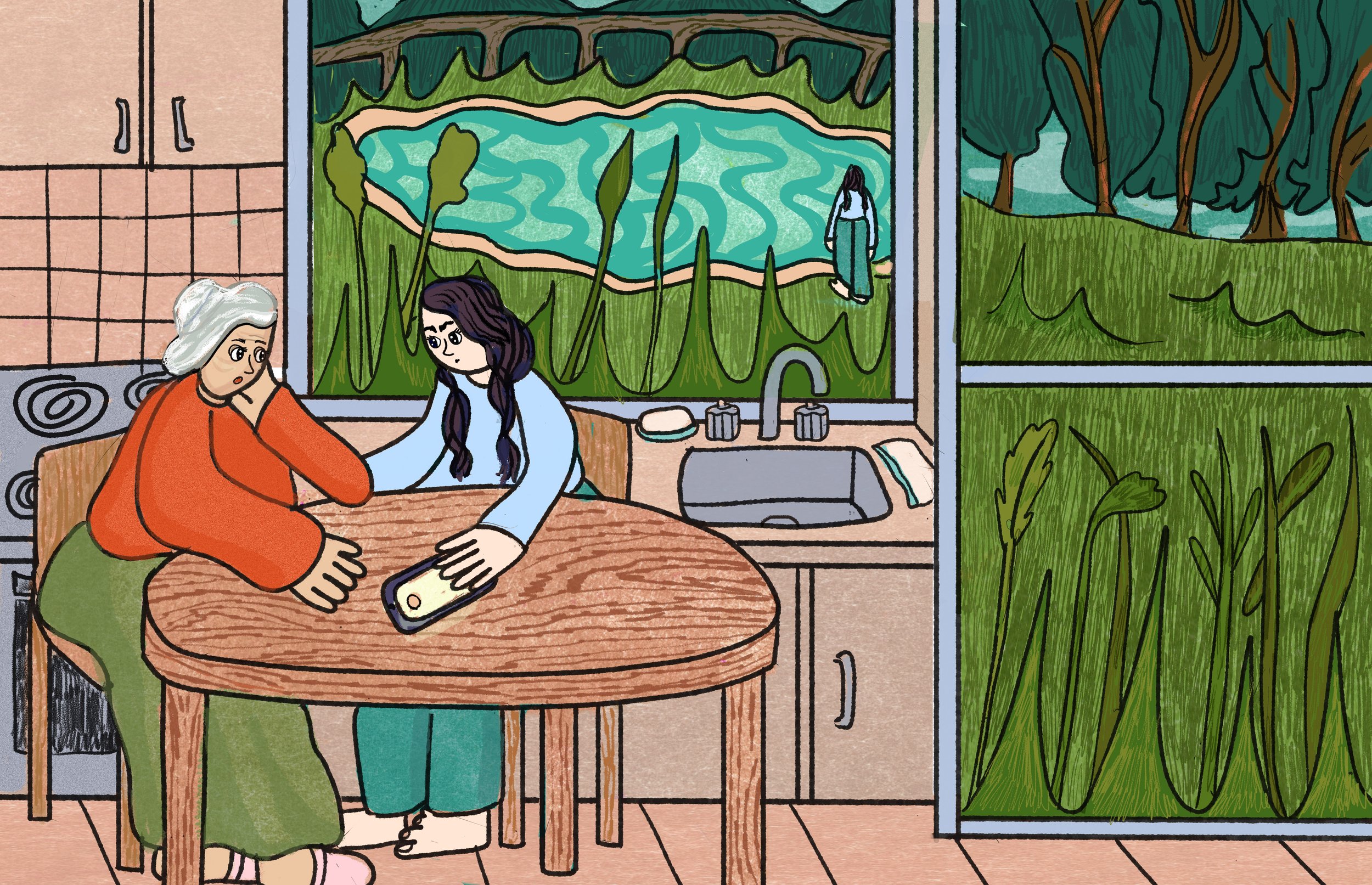
“1 p.m. in Binbrook is humming with prayer. I overhear the apple tree in my Sito’s backyard swelling with unpicked fruit, existing wildly outside of human consumption.”
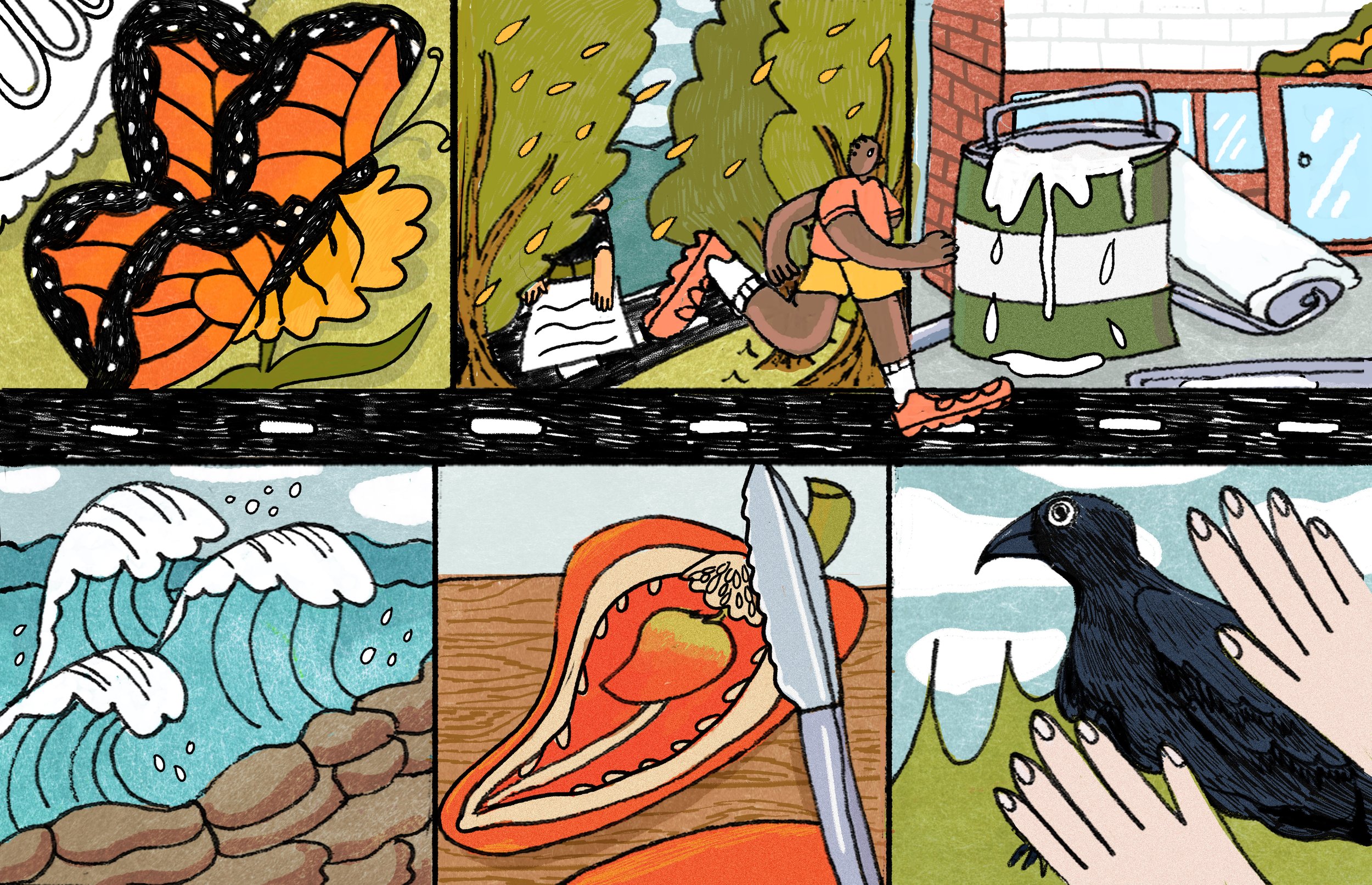
“3 p.m. on the lakefront path is a man shaking a flyer at me like a fist: ‘REPENT: GOD IS JUSTICE.’”
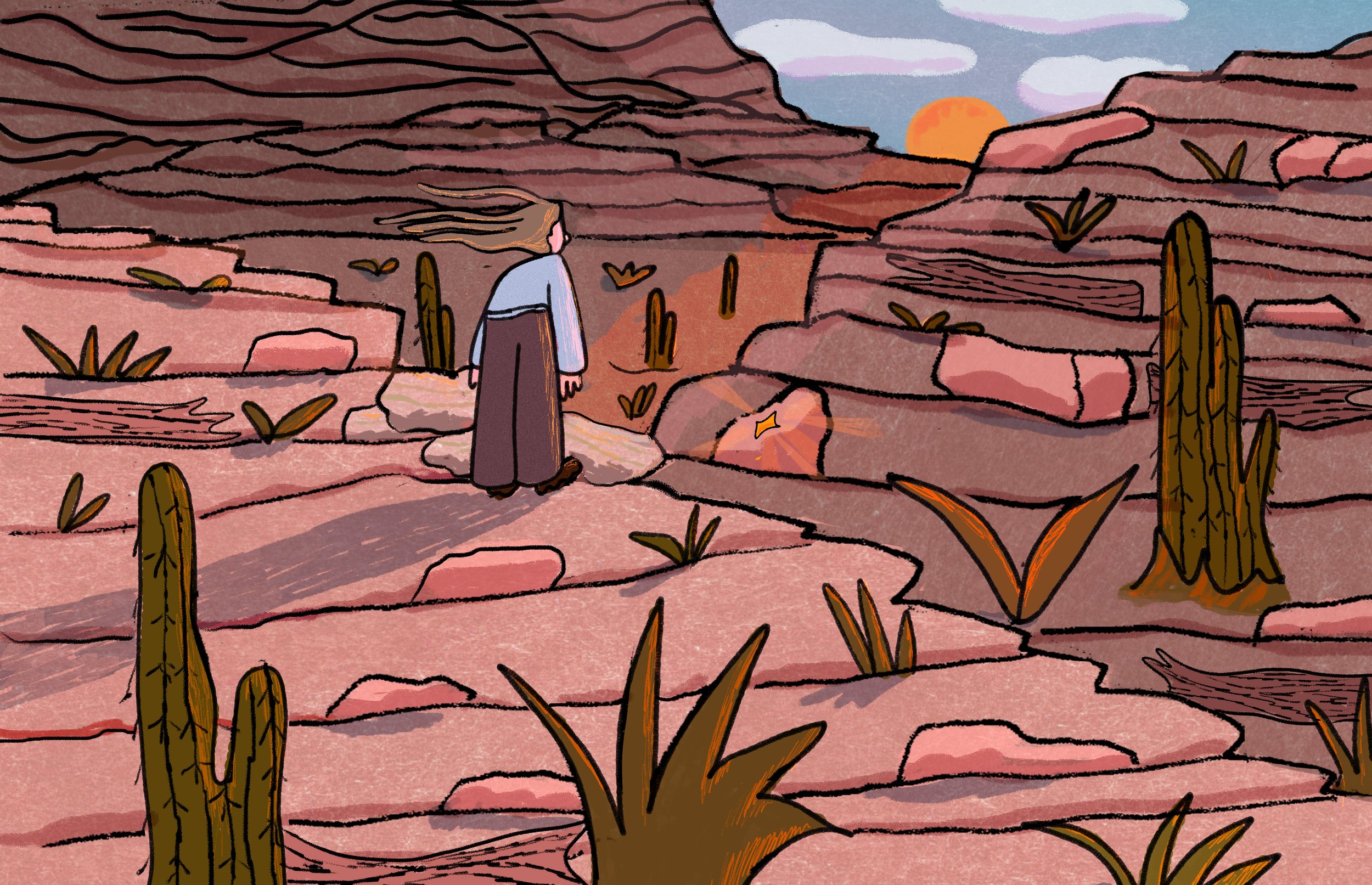
“6:34 p.m. on Goat Mountain is blasts of rough-housing wind, chilled grass sprouting through rock, dying light sliced to rays by nearby ranges.”

“ 2 p.m. at Tanglewood on a summer Sunday is when thousands pack the Music Shed or sprawl across the meadow beyond.”
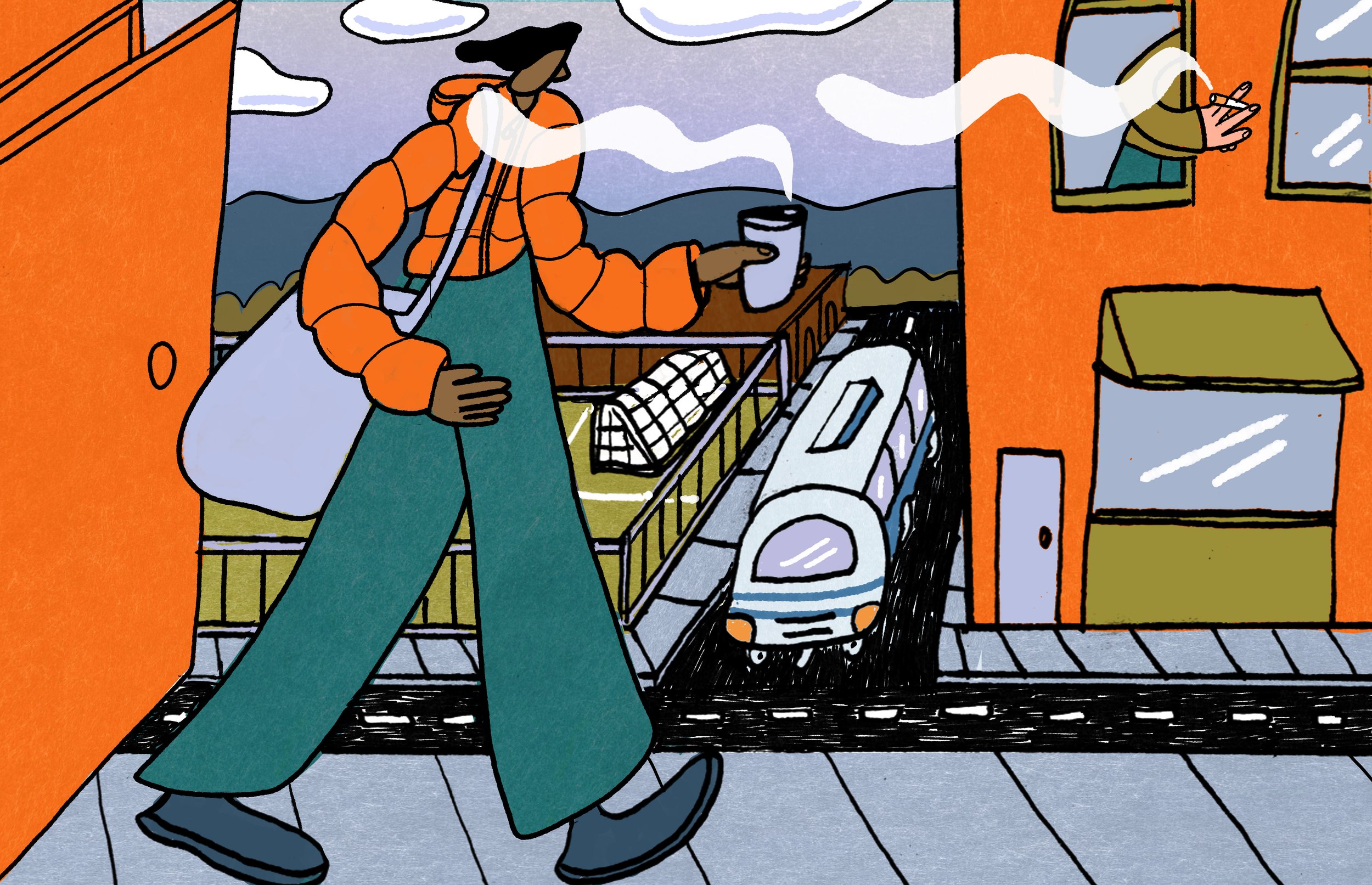
“6:45 a.m. in Portland, Maine is a weightless, in-between time. In the stillness, before the city shakes itself fully awake, there’s only the sour, bready scent of the breweries and occasionally, when the wind is right, the faint whiff of salt and sea.”

“8:45 p.m. at 26 Elmwood Road is the only constant that year you’re perpetually unemployed, rootless, in limbo.”
Goodbye to That Place
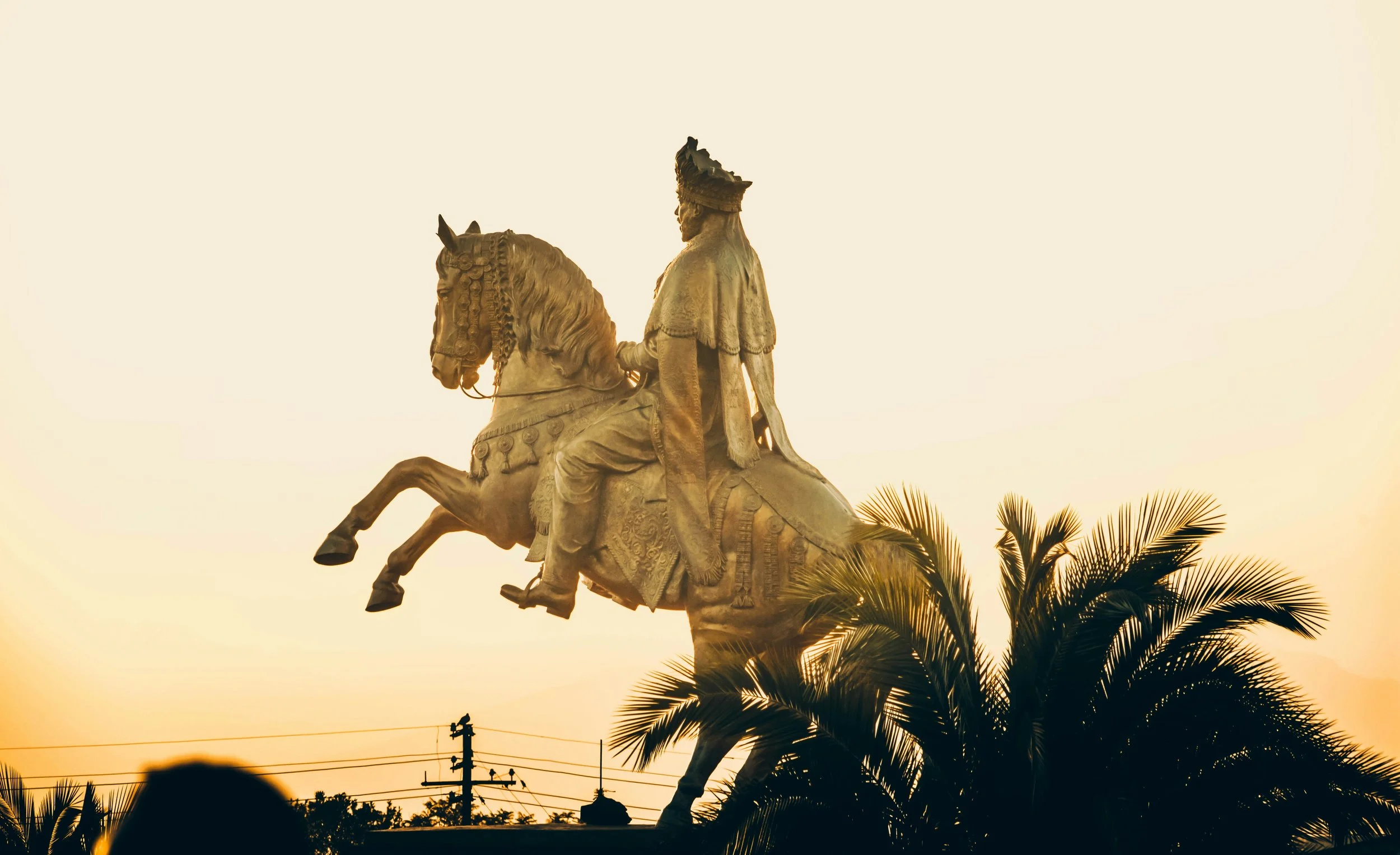
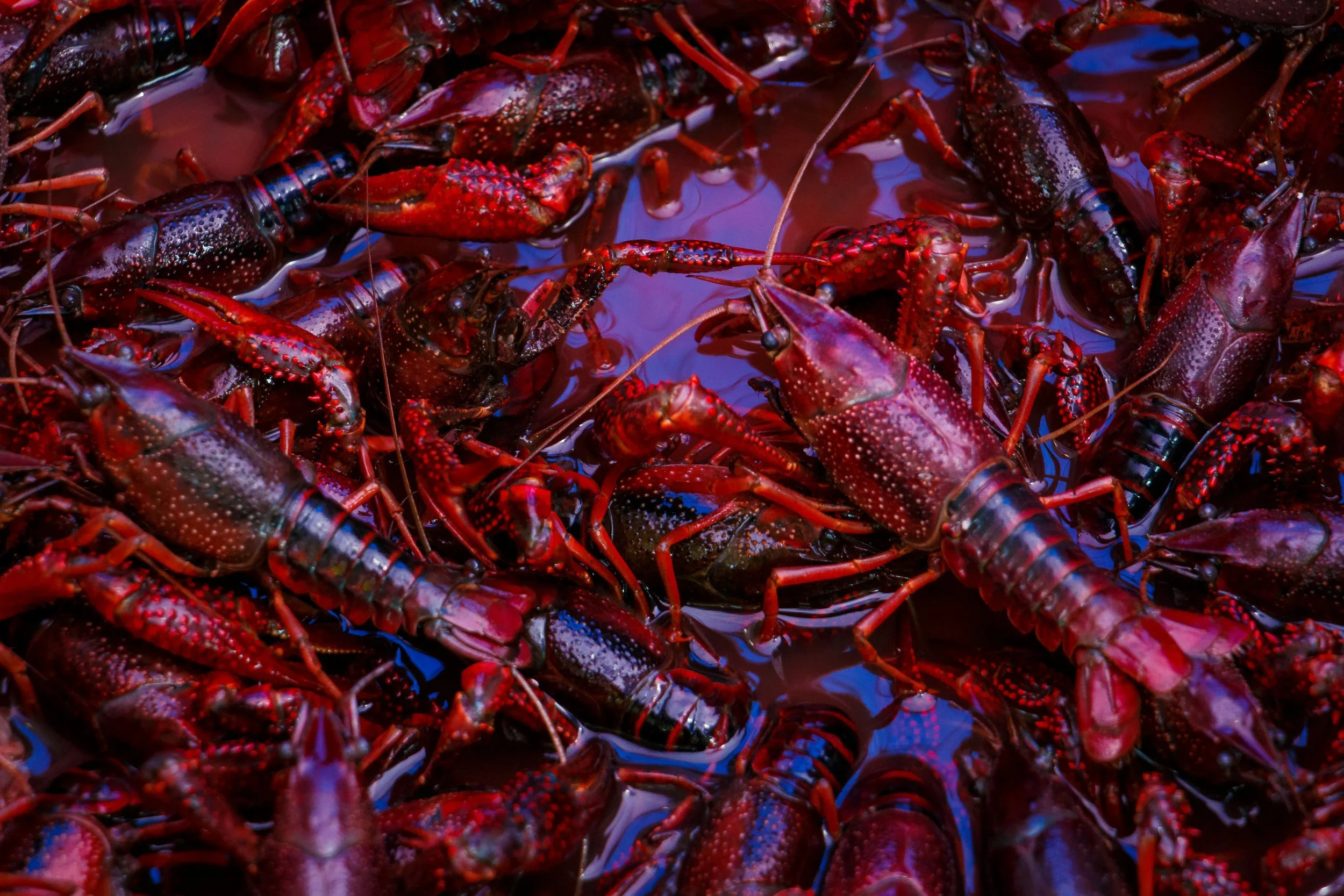
“As a child, I was a collector of ghosts, and not the kind that wail in the dark, but the kind that lie still and hollow in the sun. My mission on hot, dust-licked afternoons was to find the hard, reddish-brown exoskeletons of crayfish. They would appear at the marshy edges of Lake Naivasha, abandoned like tiny suits of armor after a battle. I would cradle these brittle shells in my palm, admiring the way their segmented plates had once formed an impenetrable shield. Even dead, they held their shape. Even empty, they looked invincible.”
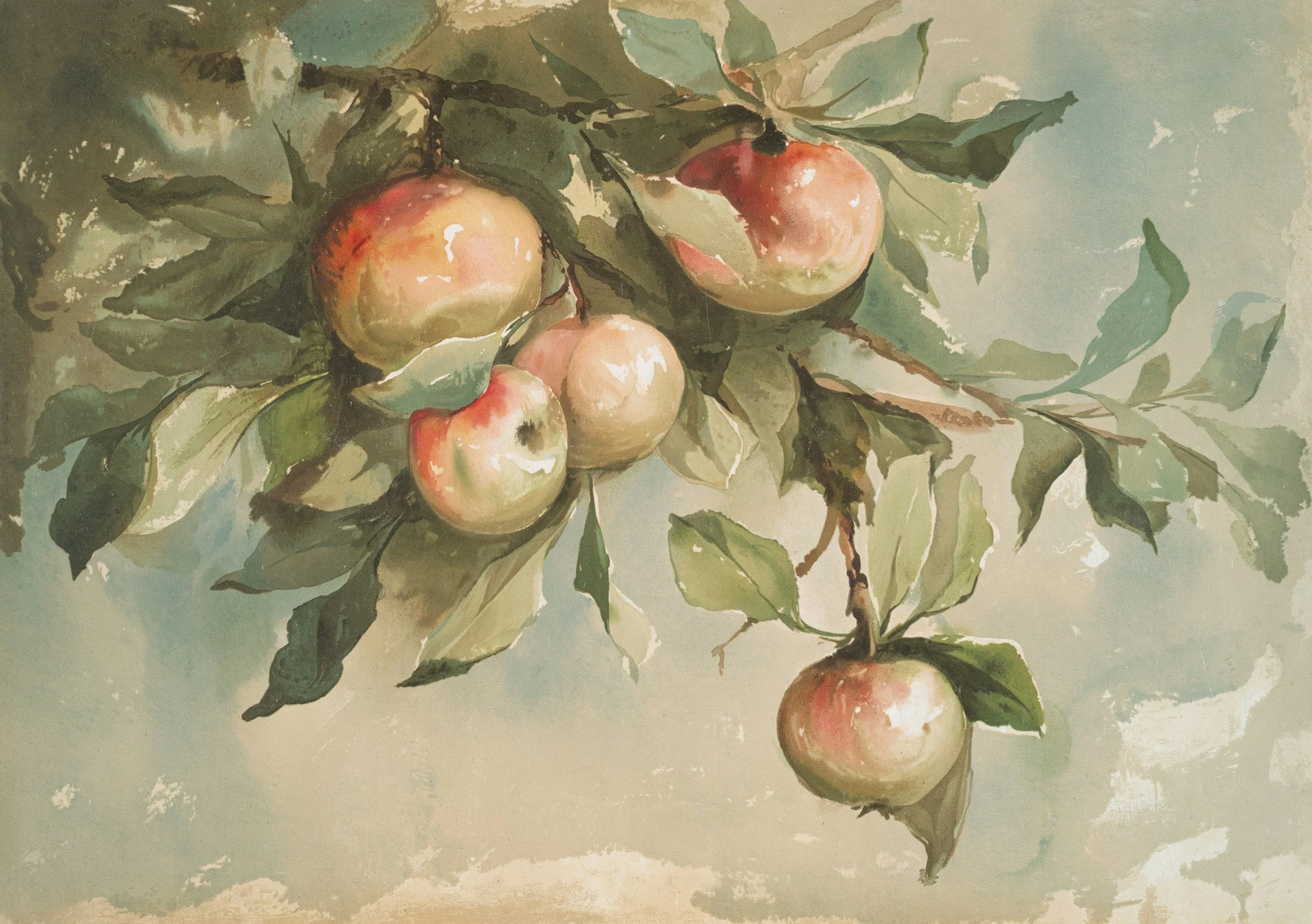
“Last fall, I couldn’t eat enough apples. Macouns, with their crisp paper-white flesh and deep red dappled skin accented by splotches of green, proved infinitely compelling. I dallied with Cortlands, Jonagolds, Baldwins, Northern Spys, and the citrusy, French-descended Orleans Reinette, but I kept returning to the classic simplicity of Macouns. I ate one nearly every day, and when my supply ran low, I grew anxious, like I was going to miss out on some vital nutrient.”
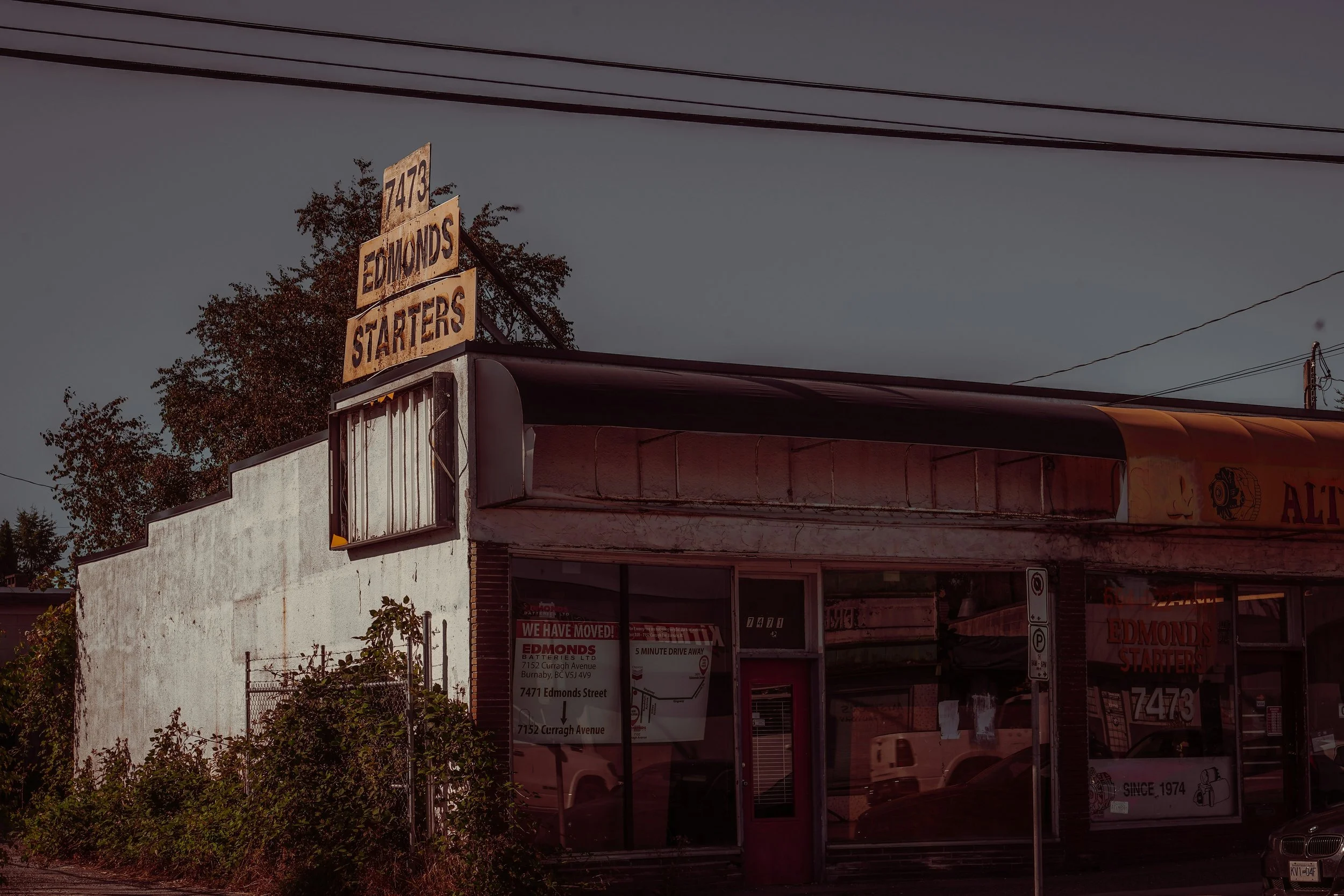
“Driving from the Montana Book Festival in Missoula to our home in Portland, my husband Kevin and I stop for a night in Wallace, Idaho. Wedged between mountains and conspicuously old-timey, it’s the closest thing I have to a hometown.”

“I’ve heard it said that the key to loving New York is learning to live with perpetual loss. The longer you stay in this inconstant city, the more rubble accumulates on the map etched into your psyche.”

“In August of 2022, I rode the purple line from Evanston into Chicago. I was going to Madison and Halsted. Madison and Halsted is a mythical place in my imagination. It’s the intersection where fifteen years prior, in 2007—after crashing my bicycle into an opening car door and banging my head on the pavement, unhelmeted—I rose from the ground, amnesiac, though I would not realize it right away. Right after the crash, I dusted myself off like nothing had happened and walked away. It was only a block or so later, when, as I stopped to look at the street signs, I realized I had lost my memory. Whatever existed before the accident was a giant, impenetrable unknown.”
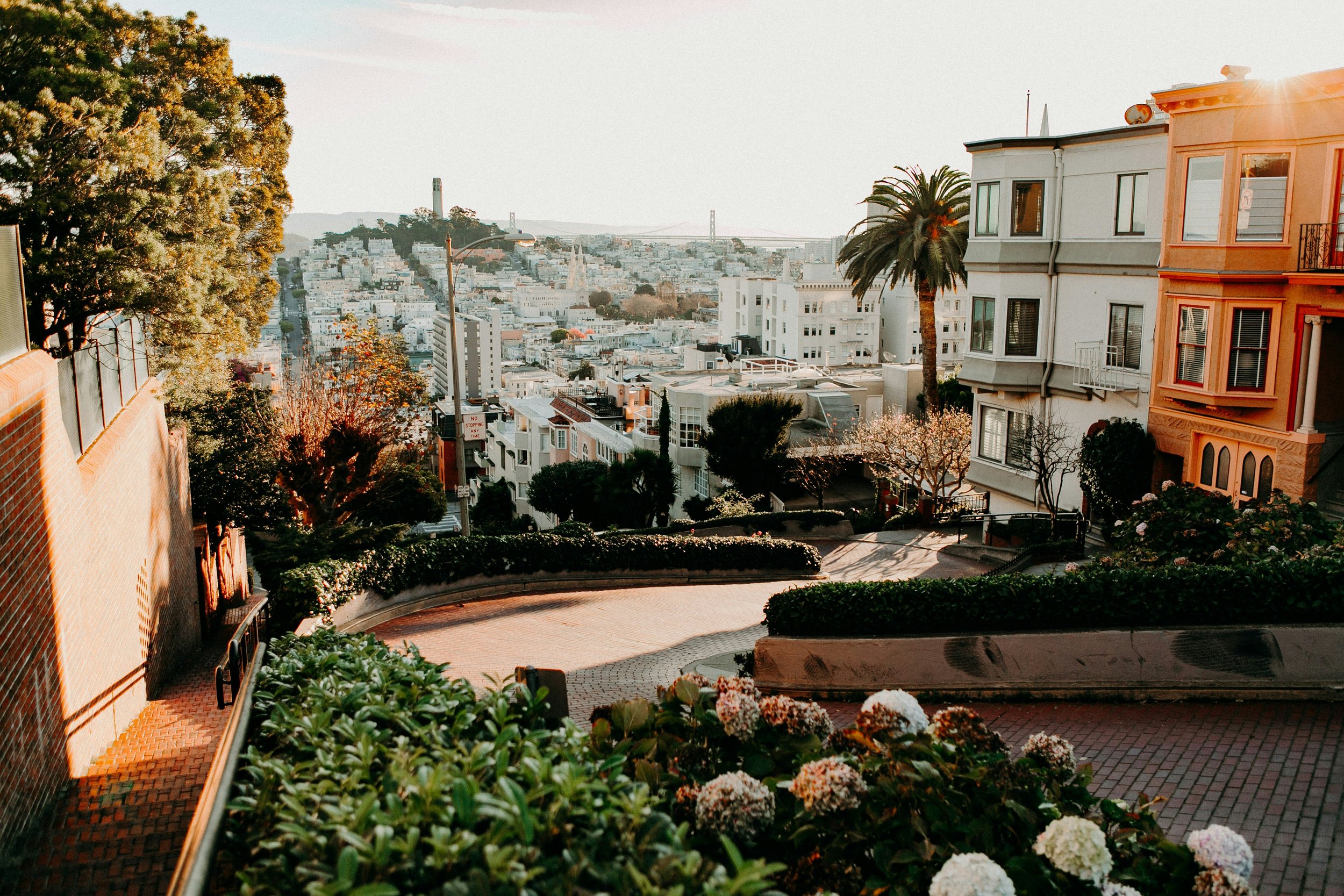
“San Francisco began, for me, with anticipation. Every summer when I was a child my family would drive there to visit my grandparents, a two-day trip that for my brother was hell, and for me was a socially acceptable way to listen to music and daydream for hours on end. San Francisco would bloom in my imagination on that drive, detail by detail: the cotton-candy houses, the steel-toed street punks.”
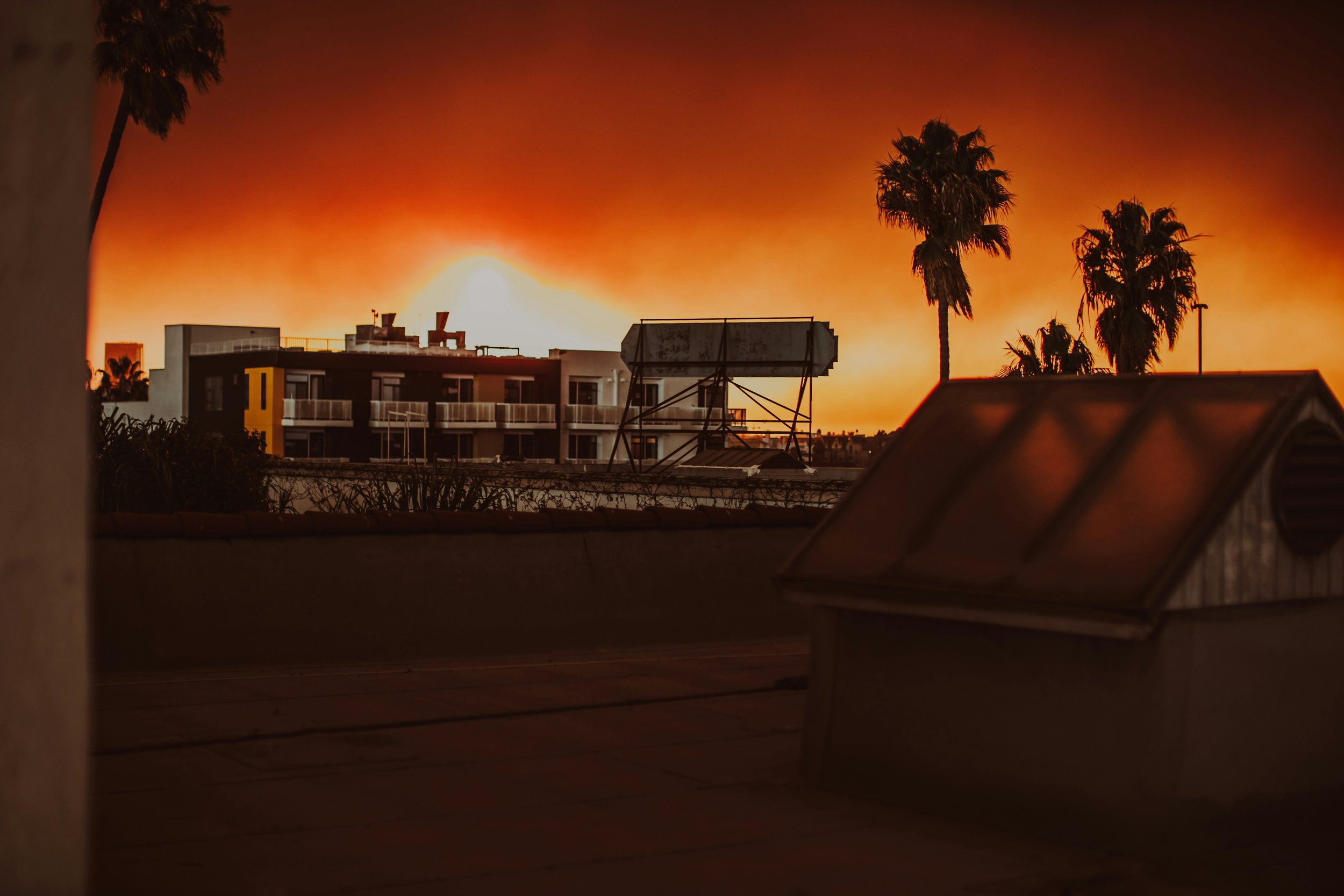
“Where my grandmother gave me bridge lessons and kept Sunkist fruit gems in her porcelain candy bowl. Where I did not give my pet cactus enough water. Where we shot our BB gun at the lemon tree in the backyard. Where I wore my Redskins 1994 NFL Champions T-shirt so many times it got holes. Where my older brother slept on the empty bottom bunk when I could not fall asleep.”
“I had never seen saguaro, nor did I realize Arizona contains most of their population. They appear on the state’s license plates, an iconic cacti composed of a narrow tubular stalk, spiked and vertically striped. They towered over houses my partner and I passed in Phoenix, standing goofily independent and thickened, entering Tonto Basin into full groves.”